

…Told to Learn from Akufo-Addo and Stop Belittling It for Popularity
By Prince Ahenkorah
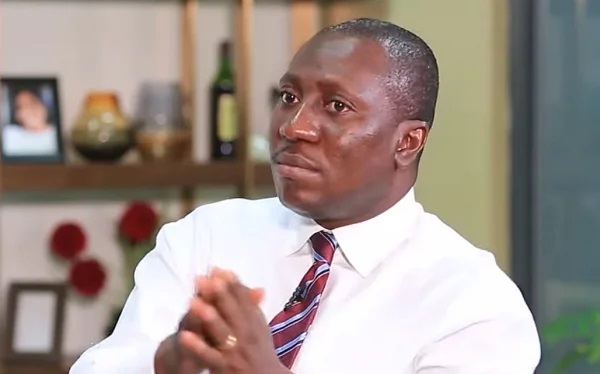
A parliamentary intervention by Minority Leader Alexander Afenyo-Markin has united President John Mahama and Foreign Minister Samuel Okudzeto Ablakwa in rare accord, exposing a political miscalculation that isolates the NPP MP on a matter of historic and Pan-African significance.
Afenyo-Markin used a recent parliamentary sitting to question the logic behind Ghana’s campaign for reparative justice, suggesting that African complicity in the slave trade undermines the case for compensation.
“We maltreated our own and told the white man that he should also maltreat our own,” he told the House. The remarks appeared calibrated to appeal to a domestic audience sceptical of the reparations agenda, but instead triggered a unified counterattack from the presidency and the foreign ministry.
President Mahama dismissed the arguments as “infantile”, pointing to the industrial scale of the transatlantic slave trade including insurance policies that treated enslaved people as cargo, with claims paid as recently as 2015.
“And you come and tell me we should not recognise this as a grievous crime?” Mahama said, underlining that African involvement does not absolve the European architects of a system “built to carry the maximum number of slaves”.
Foreign Minister Ablakwa, a longstanding advocate of reparatory justice, added a pointed political twist. He suggested Afenyo-Markin use the Easter recess to visit former President Nana Akufo-Addo an NPP stalwart who has championed reparations—to “educate him” before his next parliamentary pronouncement. The remark underscored the minority leader’s isolation within his own party’s leadership tradition.
The background
Ghana secured a landmark UN General Assembly resolution in 2024 declaring the transatlantic slave trade a crime against humanity and establishing a framework for reparative justice. The initiative, driven by Ablakwa under the previous administration, enjoyed cross-party support at the time. Afenyo-Markin’s dissent framed around historical African involvement reopens a debate the political establishment had sought to keep unified.
Afenyo-Markin has not retreated, but the coordinated rebuke from both Mahama and Ablakwa suggests the issue carries political risk. With the NPP still regrouping after its 2024 electoral defeat, straying from a consensus position on a core Pan-African issue may further fray relations with the party’s traditional base. Ablakwa’s invitation to seek tutoring from Akufo-Addo was calculated to remind the minority leader where the party’s institutional weight lies.