

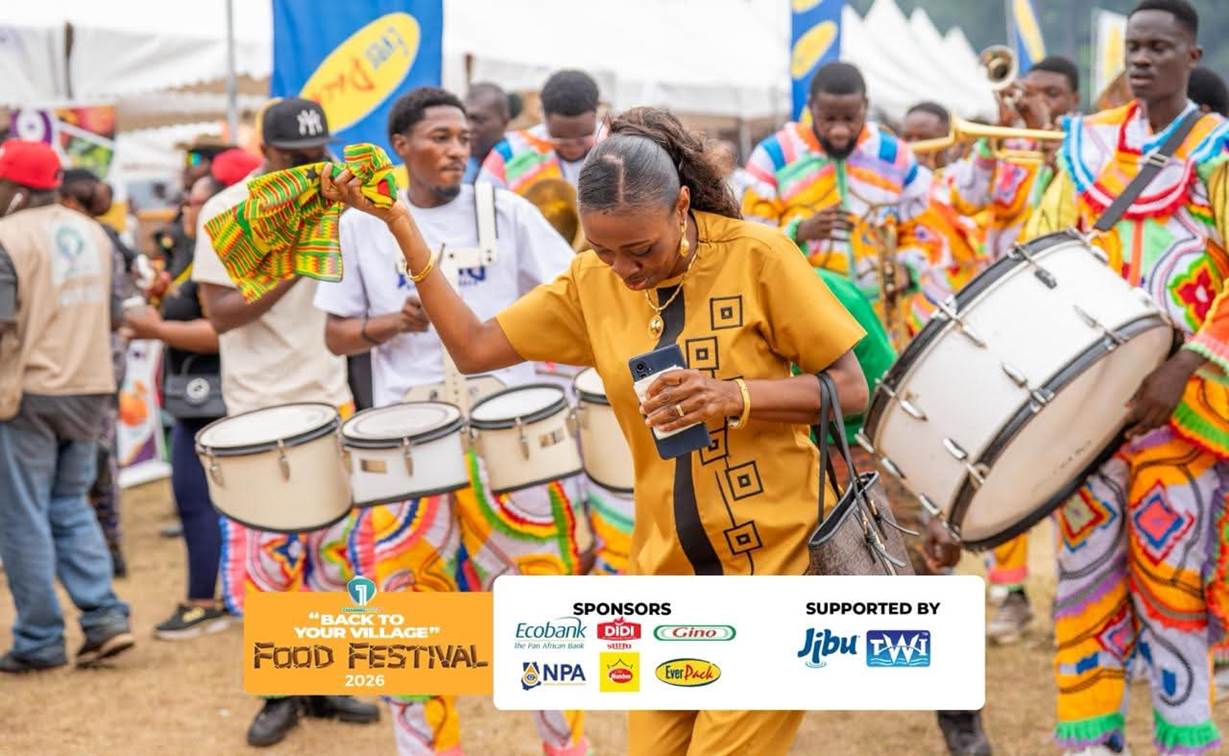
For two unforgettable days, the Efua Sutherland Children’s Park didn’t just host an event, it became something else entirely. It felt like home. A place where the past and present met, where culture wasn’t something, you watched from a distance, but something you stepped into and lived.
From the moment people started arriving, there was a sense that this was more than just a festival. Thousands came through, drawn by something deeper than food, by memory, by identity, and by that quiet longing for connection.
And yes, the food was delivered.
Long queues formed almost instantly, with people patiently waiting for dishes that reminded them of home. Banku with okro stew, fufu with light soup, tuo zaafi, aprapransa, angwamo in all its forms. But it wasn’t just about eating. It was the full experience. The smell of soups bubbling, the sight of food being prepared the traditional way, the conversations sparked over shared meals all came together in a way that felt familiar and comforting.
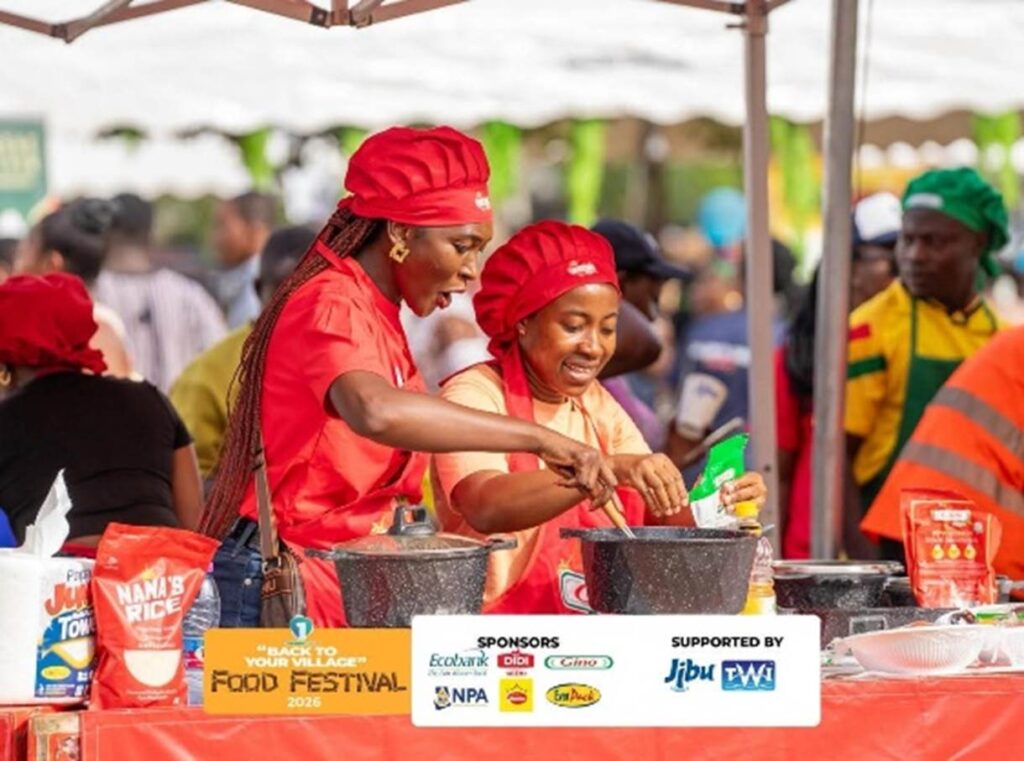
Then there was the Grills Village, a crowd favourite that kept patrons happy and excited throughout the weekend. The sizzle alone was enough to pull you in. From juicy chicken and spicy gizzards to pork, goat, and beef kebabs, it was a nonstop feast of flavour, with people gathering, waiting, and enjoying every bite fresh off the grill.
Walking through the grounds felt like moving through different parts of Ghana at once. Each space had its own rhythm, its own energy. Drumming, singing, laughter, it was immersive without trying too hard. People didn’t just observe, they joined in. They danced, they played, they sat together and ate like family.
And the kids were not left out at all. There was a dedicated kids’ corner where two giant bouncy castles kept them entertained, laughing and burning off energy while parents soaked in the rest of the festival. It truly felt like an experience for everyone.
Day One set the tone with rich, authentic cultural performances that immediately drew people in. The grounds came alive with traditional drumming and dance, as cultural troupes showcased rhythms and movements from across the country.
The Edzordzinam Fafali Borborbor group delivered a vibrant Borborbor performance that had patrons clapping, dancing, and fully immersed in the Volta Region’s sound and spirit. It was energetic, captivating, and impossible to ignore.
As the day progressed, the Kwan Pa Band took over with a beautiful blend of traditional and contemporary highlife sounds. Their use of indigenous instruments like the seperewa and kpanlogo drums gave the music a nostalgic feel while still keeping it fresh and exciting. It quickly turned into a full crowd experience, with sing-alongs, dancing, and pure joy.
Day Two elevated everything.
The cultural displays were even more engaging, with a variety of performances that kept the energy high from start to finish. Traditional dance ensembles returned with even more intensity, pulling larger crowds and drawing more participation. There were spontaneous dance circles, call-and-response chants, and moments where strangers became a community through rhythm and movement.
The inter-bus cook-off featuring the Heritage Caravan 2026 participants added another layer of excitement, as different groups brought their own flair, energy, and friendly competition to the festival grounds. It was lively, interactive, and deeply rooted in culture and community spirit.
From the afternoon, the F33hi Ensemble took over and treated patrons and vendors to authentic Ghanaian music. Their amazing and energetic performance carried the festival through the evening, keeping the crowd engaged, dancing, and fully immersed until the very end.
Day Two felt fuller, louder, and more electric. By then, the crowd was completely in sync with the festival. People didn’t hold back. They danced longer, laughed louder, and stayed present in every moment.
Beyond the excitement, there was also a strong sense of purpose running through it all.
Emelia Arthur reminded patrons that moments like this go beyond celebration. She spoke about the importance of strengthening Ghana’s food systems and recognising the role our communities continue to play in feeding the nation, urging that the idea of going back to our roots must move from sentiment to strategy.
On Day Two, Hon. Abla Dzifa Gomashie echoed that call, encouraging Ghanaians to believe in and actively support what we produce locally. Her message was simple but powerful, that valuing what comes from our own soil is key to growth, pride, and national development.
You could see that message reflected across the grounds. In the vendors, in the young people showcasing their skills, in the pride that came with every dish served and every performance delivered. For many, it wasn’t just exposure, it was opportunity.
By the time it all came to an end, there was a lingering feeling that something meaningful had happened. Not just a successful event, but a reminder. A reminder of who we are, what we have, and why it matters.
Because in the end, this wasn’t just about going back to the village.
It was about rediscovering it, together.
The “Back To Your Village” Food Festival 2026 was powered by Channel One TV with support from 97.3 Citi FM. It was proudly sponsored by Ecobank, Gino, Didi Shito, Munchee Biscuits, Everpack, and the National Petroleum Authority, with additional support from Jibu Water and Twellium Industrial Company Ltd.