

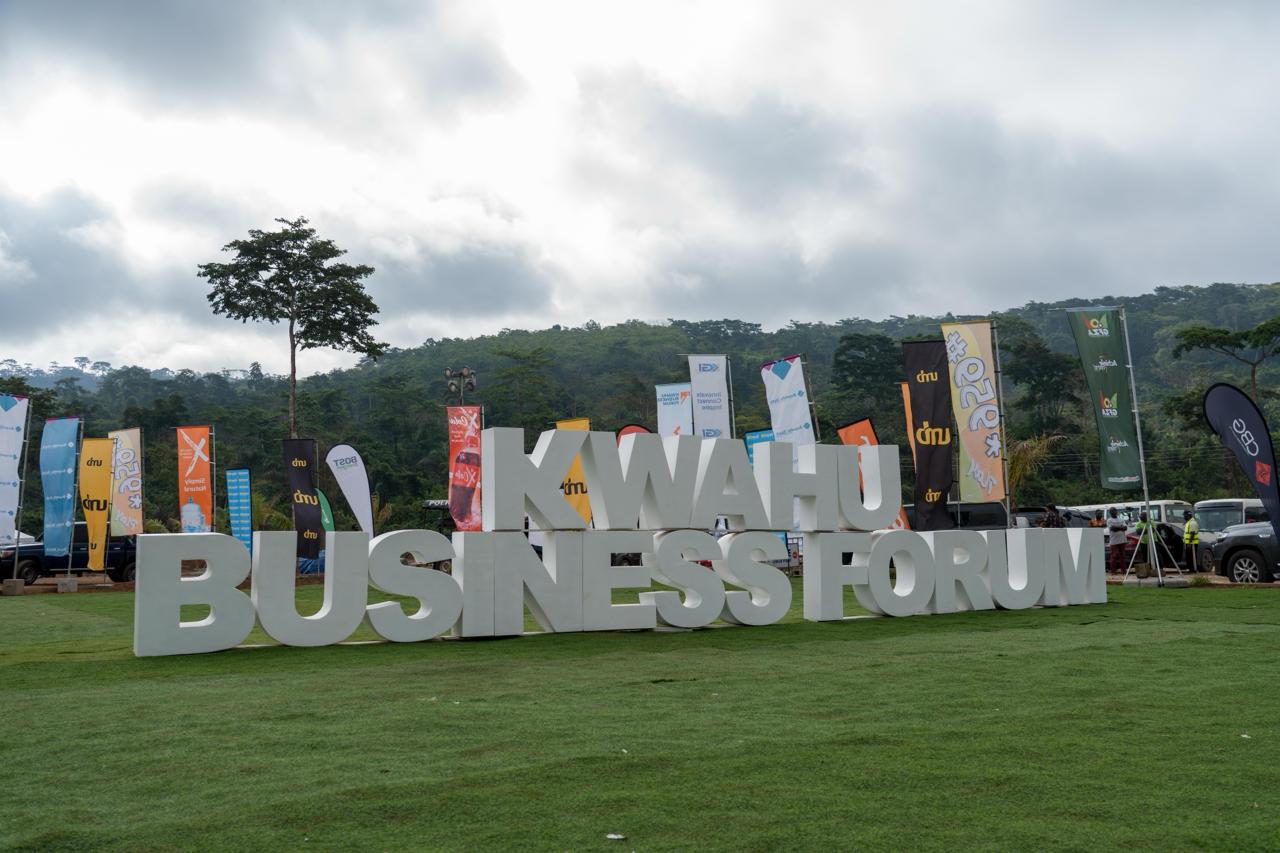
Amid Rising Expectations for Private‑Sector Revival
As Ghana’s political and business elite converge on the Kwahu ridge this weekend, the 2026 Kwahu Business Forum (KBF) is shaping up to be more than another high‑profile gathering. With a packed three‑day programme and unusually strong representation from government, banks, and industry, the forum is emerging as a bellwether for the administration’s economic strategy and its relationship with the private sector.
Delegates begin arriving on Thursday, 2 April, with early registration and a welcome cocktail at Rock City Hotel, setting the stage for what organisers describe as a “meeting point for businesses and opportunities.” The official programme confirms a heavy emphasis on policy signalling, investor engagement, and sector‑specific problem‑solving.
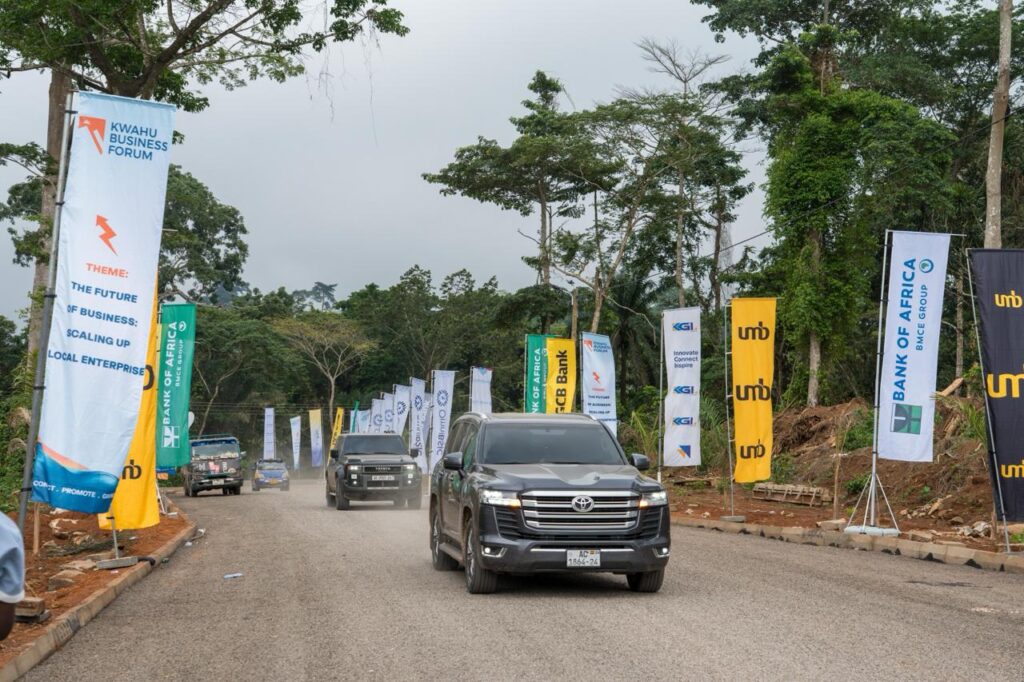
Political Messaging and Economic Signalling
The opening day on Friday, 3 April is dominated by speeches from senior government figures, including the Eastern Regional Minister, the Chief of Staff, Julius Debrah, and presidential advisers. The keynote slot goes to Dr. Goosie Tanoh, whose portfolio on the 24‑hour economy and export acceleration has become central to the administration’s growth narrative.
“Keynote Address – Dr. Goosie Tanoh, Presidential Adviser, 24hr Economy & Accelerated Export Development”
The presence of Hon. Seth Terkper, now Senior Presidential Advisor on the Economy, signals a renewed push to reassure investors about fiscal discipline and industrial policy coherence. His update on the Kwahu Business Forum initiative is expected to outline new frameworks for private‑sector collaboration.
Banks Take Centre Stage
If previous editions leaned heavily on political speeches, this year’s forum tilts decisively toward finance. Nearly every major bank GCB, ABSA, Republic Bank, UMB, Fidelity, CBG, Bank of Africa features prominently in masterclasses and breakout sessions.
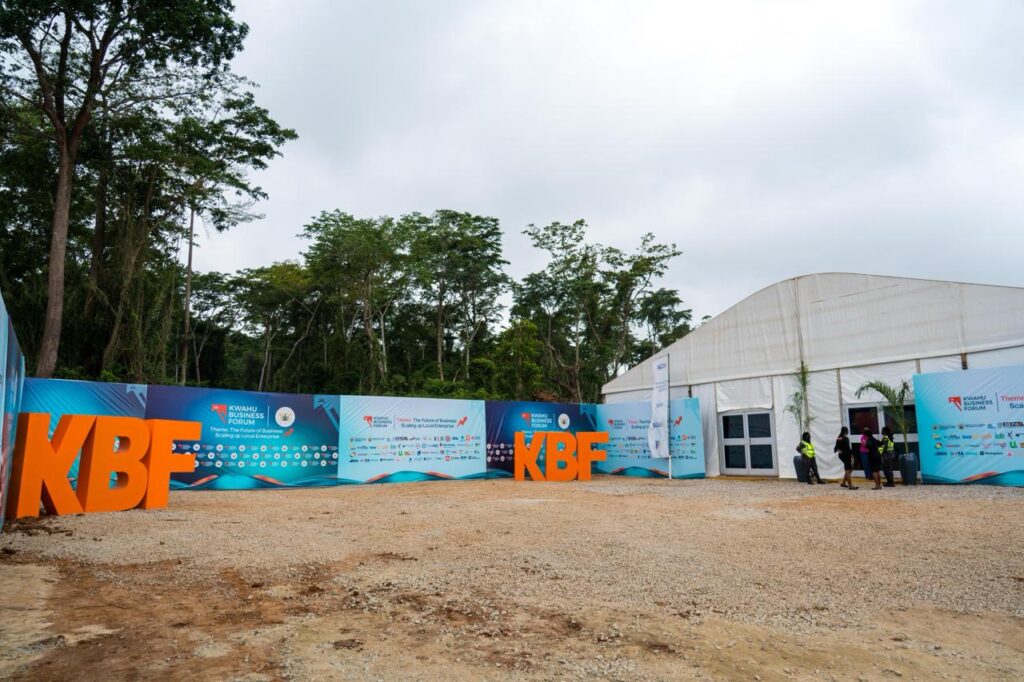
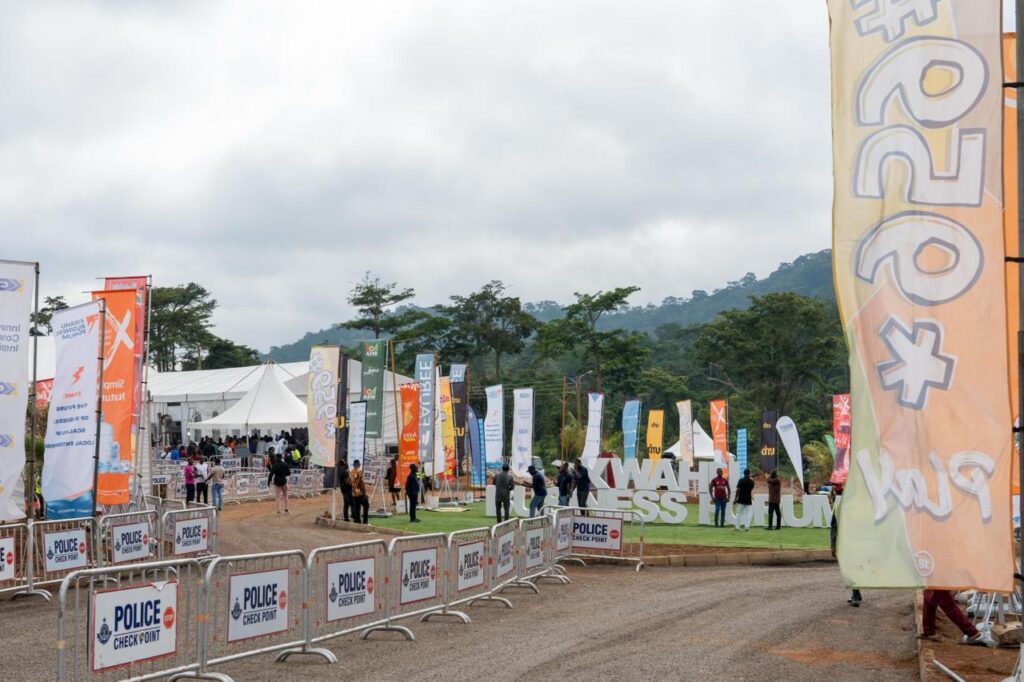
A flagship session, “How to Prepare Your Business for Funding,” brings together the CEOs of Development Bank Ghana, GCB, Republic Bank, and UMB.
“Speakers: Dr. Randolph Nsor‑Ambala… Mr. Alhassan Farhan… Dr. Benjamin Dzoboku… Dr. Philip Oti‑Mensah” (document excerpt).
The parallel session on “Financing Growth Beyond Traditional Banking” suggests a quiet acknowledgement that Ghana’s credit environment remains tight, and that SMEs are increasingly seeking alternatives.
Industrialisation, Compliance, and the Cost of Doing Business
A notable panel conducted in Twi tackles the politically sensitive issue of local sourcing and the rising cost of doing business.
“Panel Discussion: Challenges & Solutions in Industrialization through Local Sourcing/Cost of Doing Business in Ghana (TWI)” (document excerpt).
Speakers include agribusiness leaders, manufacturers, and traders’ representatives, indicating that the forum is positioning itself as a platform where regulatory frustrations can be aired directly to policymakers.
Another breakout session focuses on transitioning informal businesses into the formal sector, featuring the GRA Commissioner‑General and the CEOs of GEA and GEPA. The timing is significant: the government is under pressure to broaden the tax net without stifling small enterprises.
Presidential Presence and High‑Level Commitments
The second day, Saturday, 4 April, carries the political weight of the event. The President is expected to deliver a keynote on “Accelerating Private Sector Growth & Industrial Transformation in Ghana.”
“Presidential Keynote Address – Theme: Accelerating Private Sector Growth & Industrial Transformation in Ghana” (document excerpt).
This follows a session featuring both the Majority and Minority Leaders of Parliament—an unusual bipartisan appearance that hints at a coordinated push to stabilise the business environment ahead of major legislative reforms.
Agribusiness, Insurance, and Legacy Leadership
Saturday’s breakout sessions widen the scope: agribusiness markets, SME insurance, and a fireside chat on legacy leadership featuring prominent entrepreneurs and academics.
“Fireside Chat: Legacy Leadership: Creating Wealth, Impact and Institutions that Last (Twi)” (document excerpt).
These sessions reflect the forum’s attempt to blend policy, finance, and entrepreneurial culture into a single ecosystem.
Tourism, Networking, and the Kwahu Experience
True to its setting, the forum integrates curated tourism experiences, including the popular Kwahu by Night bus tours and a grand concert on Saturday evening.
“Kwahu by Night Bus Ride” (document excerpt).
Networking both structured and informal remains a core feature, with VIP tents hosting private sessions for sponsors, investors, and senior officials.
Closing with Health and High‑Level Dialogue
The final day, Sunday, 5 April, begins with a symbolic health walk—“1000 steps to the Mountain”—before shifting to a closed‑door roundtable with the Governor of the Bank of Ghana and top bank CEOs.
“Semi Formal Round table discussion with the Governor of BOG and Top Bank CEO’s (Strictly by Invitation)” (document excerpt).
The forum concludes with ongoing exhibitions and final networking engagements.
A Forum to Watch
With its blend of political messaging, financial sector engagement, and private‑sector advocacy, the 2026 Kwahu Business Forum is poised to influence policy debates well beyond the Easter weekend. Whether it delivers concrete outcomes or remains a high‑profile talk shop will depend on the follow‑through from government and industry in the months ahead.