

By Leo Nelson
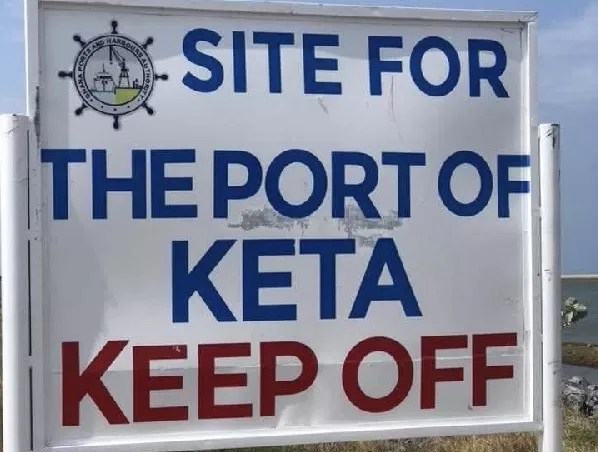
The Ghana Ports and Harbours Authority (GPHA) has reached a major milestone in the development of the proposed Keta Port project, following the receipt of the final Environmental Impact Assessment (EIA) report and official approval from the Environmental Protection Agency (EPA).
The approval grants the Authority the regulatory clearance required to advance the project into its next phase, including formal engagements with potential investors and partners.
The report was presented to the Director-General of GPHA, Paul Seidu Tanye-Kulono, by Nii Tackie-Oblie of Coastal and Reclamation Engineering Services Ghana Limited, the consulting firm responsible for conducting the EIA. The presentation marks the culmination of a detailed environmental and social assessment process that examined the potential impacts of the port project on surrounding ecosystems, communities, and economic activities.
Receiving the report, Major General Tanye-Kulono described the development as a significant step forward in Ghana’s long-term maritime strategy. He commended the consultants and engineering teams for delivering a comprehensive assessment that meets regulatory standards and supports the Authority’s vision of expanding the country’s port infrastructure.
The EPA’s approval is a critical requirement in the lifecycle of major infrastructure projects in Ghana, particularly those located along environmentally sensitive coastal zones such as Keta. The completion of the EIA confirms that the project has undergone the necessary scrutiny to assess its environmental, social, and economic implications.
The assessment process itself has been underway for several years. Earlier plans by GPHA indicated that the EIA would be conducted as a prerequisite to attracting credible investors and ensuring sustainable project execution. The process involved stakeholder consultations, field studies, and technical evaluations to determine both the risks and benefits associated with the development.
With the report now approved, GPHA is positioned to move beyond preliminary planning and into more concrete phases of project development. This includes discussions with investors, structuring financing arrangements, and advancing detailed engineering and construction plans.
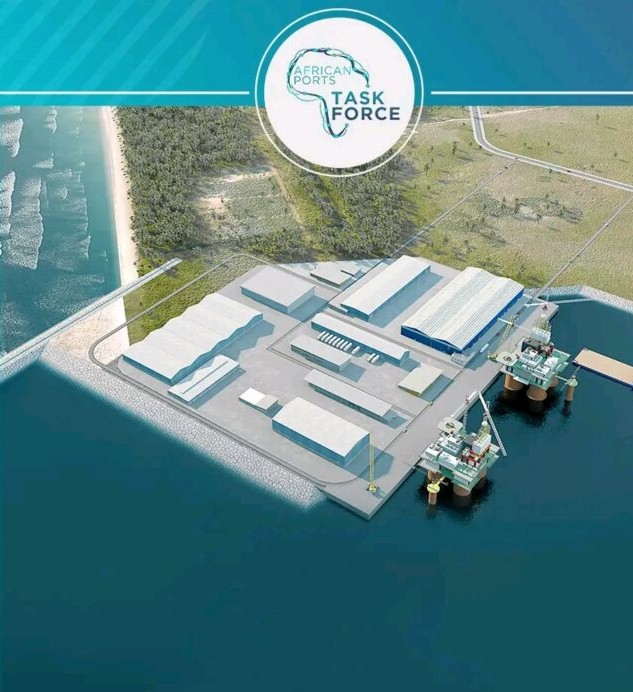
The proposed Keta Port forms part of Ghana’s broader ambition to expand its maritime infrastructure beyond its two existing commercial ports in Tema and Takoradi. The development of a third port is seen as essential to supporting growing trade volumes and enhancing Ghana’s competitiveness within the West African sub-region.
According to available project outlines, the Keta Port is expected to handle a mix of cargo types, including containerised goods, bulk shipments, and oil and gas-related logistics. Its location near the eastern corridor of Ghana also positions it strategically to serve not only domestic trade but also regional markets, particularly within the context of the African Continental Free Trade Area (AfCFTA).
The project has consistently been described by GPHA as economically viable, supported by feasibility studies and stakeholder engagements conducted over the years. These studies have highlighted the long-term commercial potential of the port, despite its proximity to other regional ports such as Lomé.
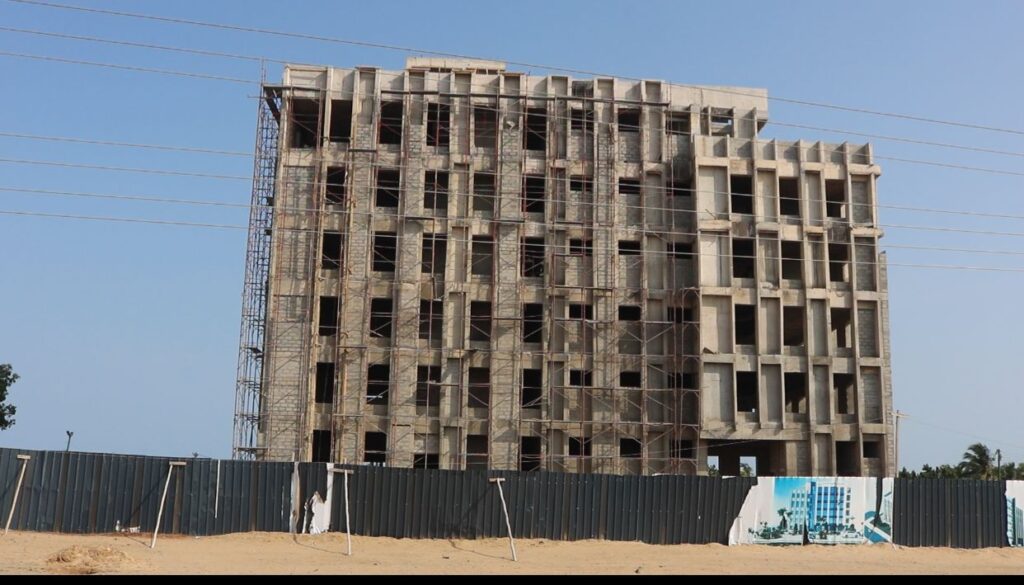
The Keta Port project has gone through multiple stages of planning and consultation over the past several years. Initial feasibility studies were completed earlier in the decade, confirming the project’s viability and setting the foundation for further development.
Subsequently, GPHA initiated stakeholder engagements and environmental assessments, recognising that large-scale coastal infrastructure projects require careful consideration of environmental sustainability and community impact. The EIA process, which included consultations within the Volta Region, was designed to ensure that local concerns and ecological factors were fully integrated into project planning.
The importance of this process is particularly relevant given the environmental sensitivity of the Keta area, which has historically experienced coastal erosion and flooding challenges. These factors make environmental planning a central component of any major development in the region.
With regulatory approval secured, the focus now shifts to attracting investment and building the partnerships necessary to bring the project to life. GPHA is expected to engage both local and international investors, leveraging the approved EIA as a key document to demonstrate the project’s readiness and compliance with environmental standards.
The Authority has previously indicated that investor confidence is closely tied to the completion of environmental and feasibility studies. The successful delivery of the EIA therefore strengthens the project’s credibility and positions it as a viable investment opportunity within Ghana’s infrastructure landscape.
Beyond its economic potential, the Keta Port project is also expected to contribute to regional development in the Volta Region, creating jobs, improving logistics, and supporting local industries. It aligns with Ghana’s broader agenda of decentralising development and expanding economic opportunities beyond traditional urban centres.
Overall, the receipt of the EIA report and EPA approval represents a decisive step in the journey toward establishing Ghana’s third commercial port. It reflects years of planning, consultation, and technical work, and sets the stage for the next phase of implementation as GPHA moves closer to turning the Keta Port vision into reality.