

By Gifty Boateng
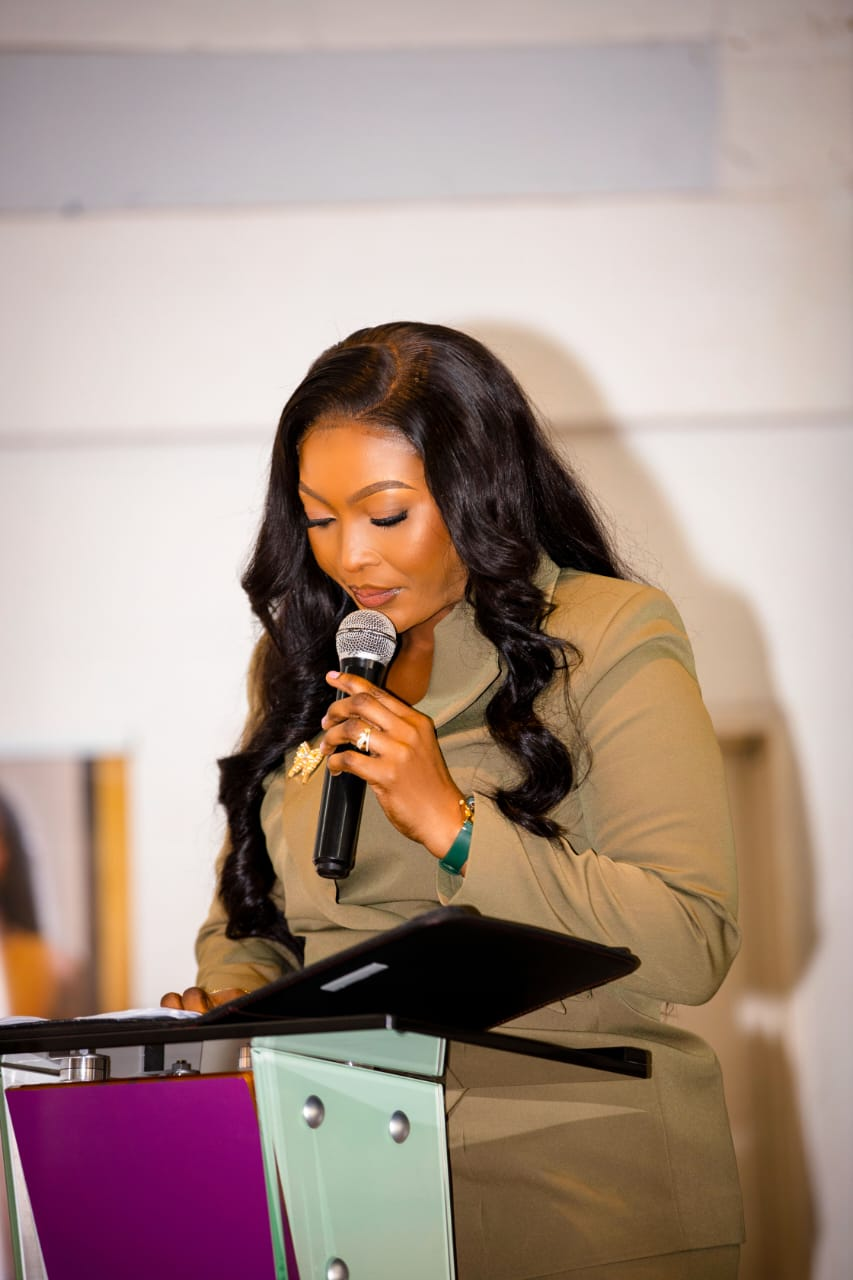
Victoria Debrah, speaking at a stakeholder dialogue in Accra on Wednesday, described domestic violence as “one of the most pervasive yet often hidden challenges facing our society” a problem tolerated for so long that victims, communities and institutions have grown numb to their own responsibilities.
“Silence is no longer an option,” she told an audience that included survivors, state institutions and NGOs. “Systems must respond. Communities must act.”
The wife of Julius Debrah, a powerful figure in President John Mahama’s inner circle, used her platform to name what many will not: that abuse cuts across age, class, religion and status, yet thrives because victims fear stigma and offenders act with impunity.
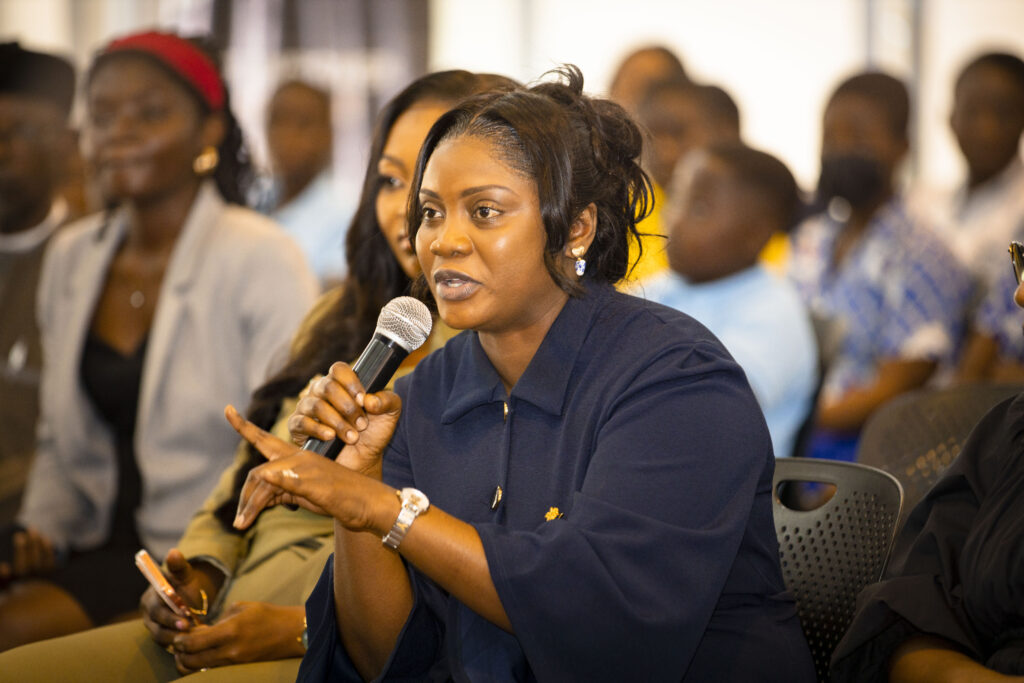
Her message was given devastating weight by the testimony that followed. Joana Dela Aku Yabani, a final-year Biological Science student at KNUST, earned First Class honours shortly before she died. Her mother, Rejoice, told the gathering how her daughter’s alleged killer classmate and boyfriend Daniel Tuffour had been warned to stay away.
“He made her believe she was worthless,” Rejoice said, struggling with tears. But she had encouraged her daughter otherwise: “She was on the right path to become the medical doctor she had always wanted to be.”
The mother rejected social media claims that her family was poor or that her daughter had a “sugar daddy”. None of it was true, she said. What was true: her daughter is dead, and justice has yet to come.
The dialogue, organised by NGO Trail Blazer, exposed gaps the state has long preferred to soft-pedal. Yvonne Adu Darko from the Ministry of Gender admitted what officials rarely say in public: Ghana has no functioning state shelter for domestic violence victims. “We currently rely on Ark,” she said.
Medical doctor Alberta Talata, herself a survivor, credited economic empowerment for saving her life. “I could run because I did not live on my husband’s income,” she said. But she also warned that police’s Domestic Violence and Victim Support Unit (DVVSU) sometimes makes victims feel worthless when they report.
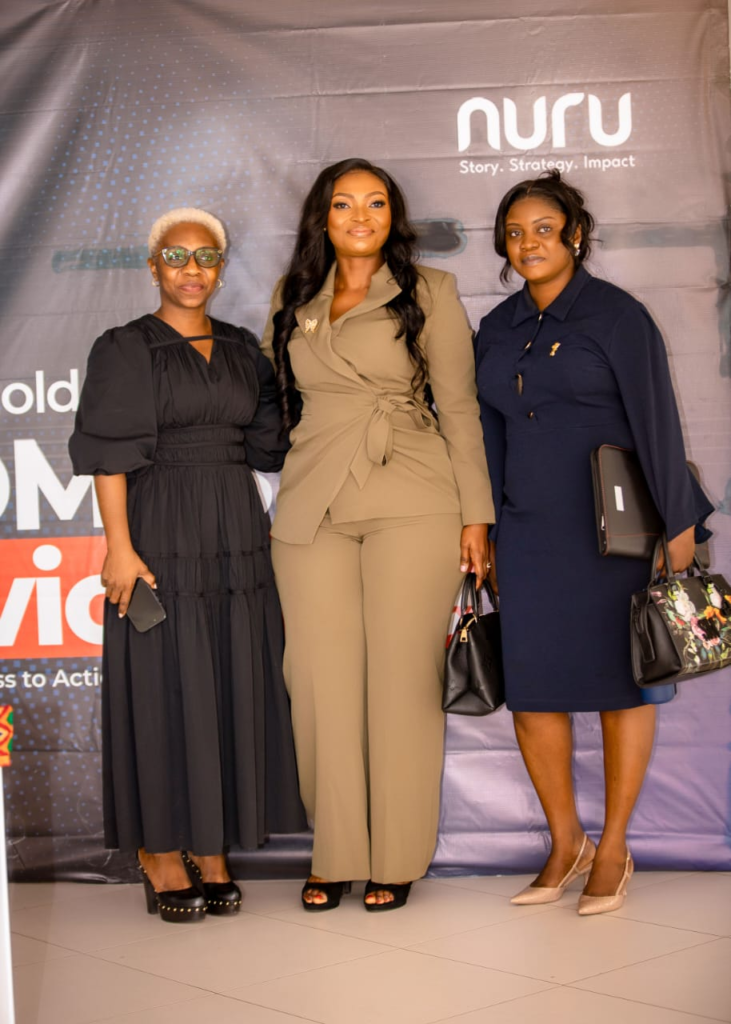
Kezia PM Azumah Kenneth, managing counsel at CITADEL legal consult, offered practical counsel rarely heard at such forums: do not bathe after an attack. “Destroying evidence makes the case difficult to fight.” She noted that free legal assistance exists but advised victims who can afford it to engage private practitioners for better support.
Sheikh Shaibu Aremeayw, spokesperson for the national chief Imam, said his office adjudicates domestic cases and seeks amicable solutions.
Debrah’s address was notable for its refusal to spread responsibility thinly. She named who must act: law enforcement for justice, health professionals for care, social services for recovery, faith leaders for counsel, policymakers for frameworks, and communities to stop witnessing and start intervening.
“When communities are informed, they become proactive. When communities are engaged, they become responsive. When communities are empowered, they become transformative.”

Lynn Osei Bonsu, executive director of Trail Blazer, explained why her organisation chose dialogue over another workshop. “Everybody does workshops. We wanted to ask: why are we not moving from point A to point B?”
Students from St Mary’s SHS, Adabraka Basic School, Accra Girls, Labone SHS and Bishop Mixed School attended – a reminder that the next generation is watching.
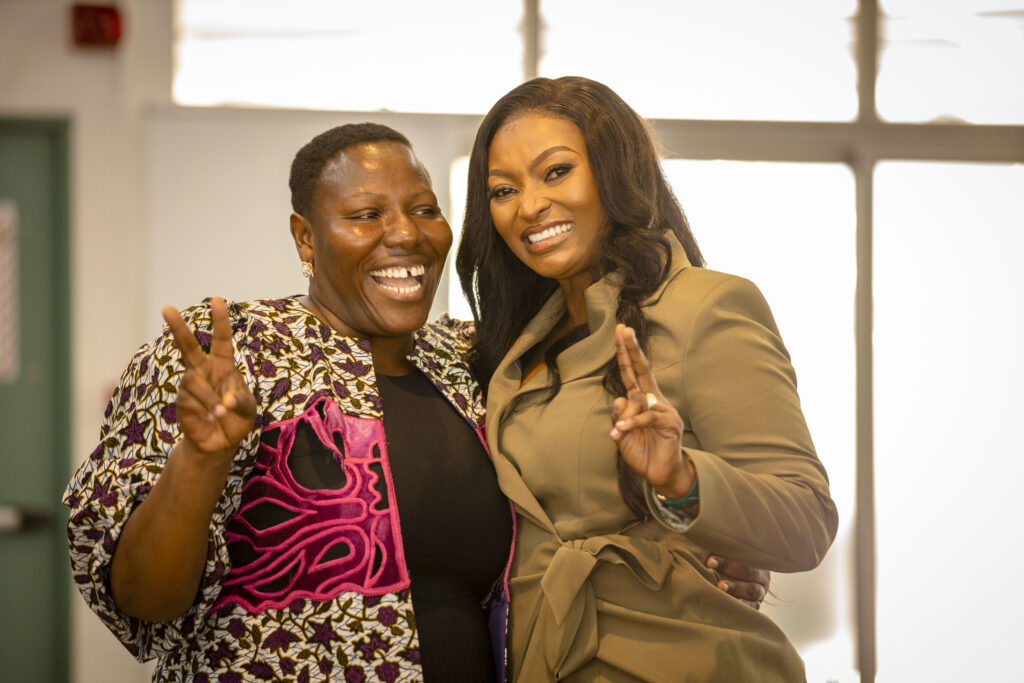
But as Rejoice Yabani made clear, watching is not enough. Her daughter’s life was taken “for no apparent reason”. She called for greater support from society and institutions – and for justice.
Debrah closed with a prayer that the event would mark “the beginning of stronger systems, deeper collaboration, and lasting change”. Outside the hall, the mothers of murdered daughters are still waiting.