

By Leo Nelson
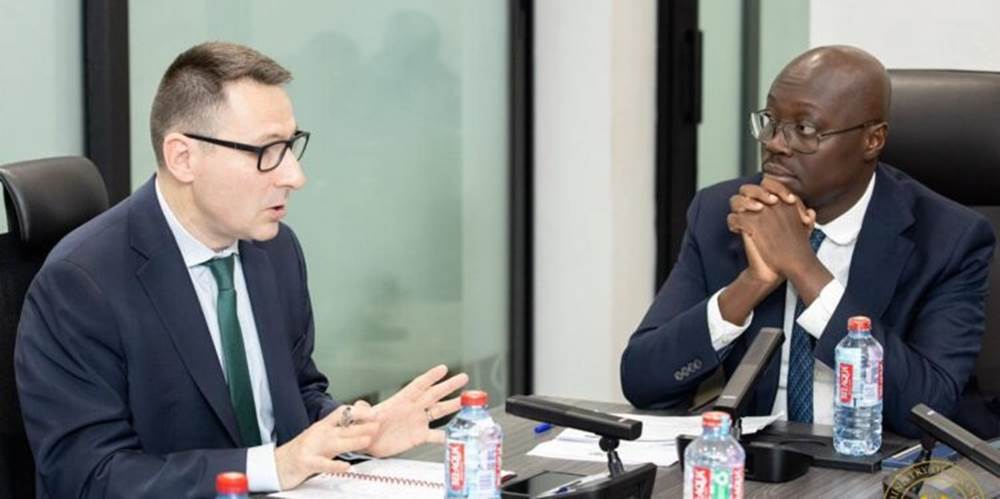
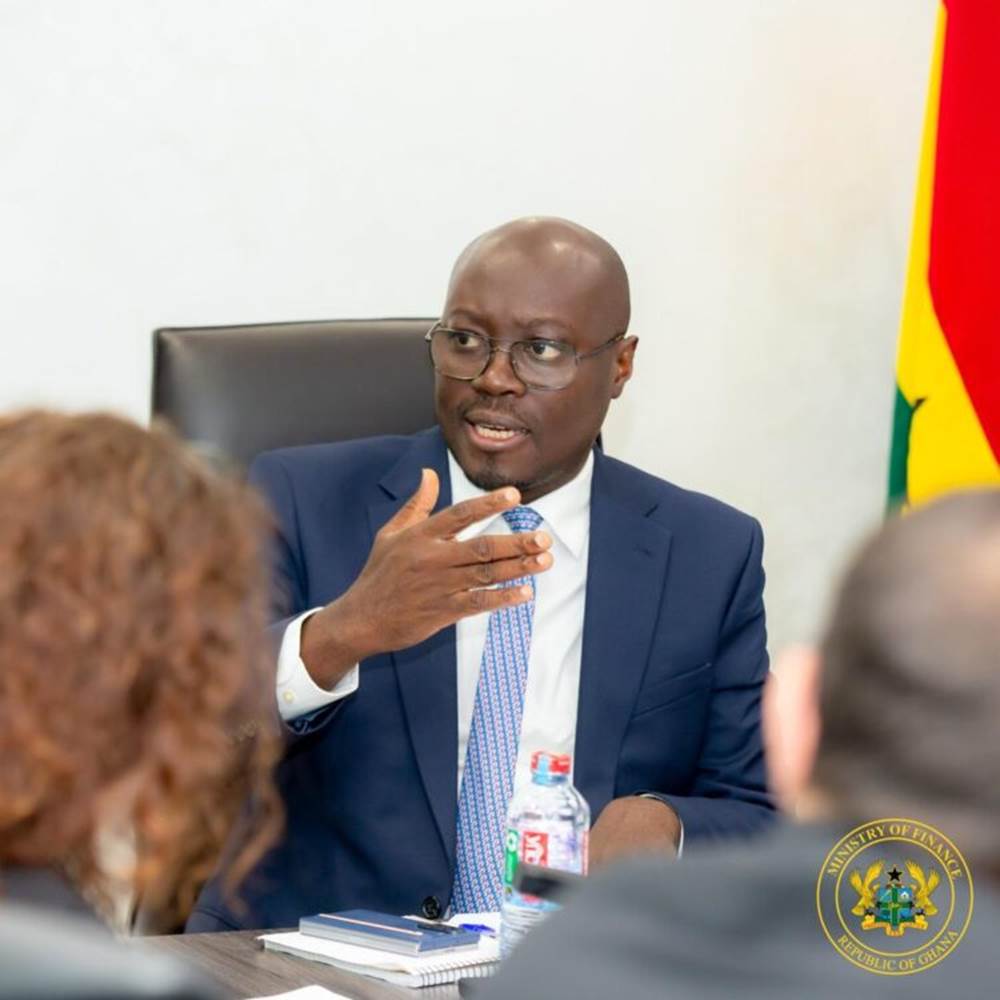
Ghana is entering a critical phase of its economic recovery journey as a staff mission from the International Monetary Fund arrives in Accra on April 29, 2026, to undertake the sixth and final review of the country’s Extended Credit Facility programme.
The outcome of this assessment is expected to determine whether Ghana successfully completes the programme and exits in August 2026.
The mission, scheduled to remain in the country for about two weeks, will begin official engagements on April 30, marking a defining moment for policymakers, as the review will assess Ghana’s adherence to key fiscal and structural reform commitments agreed under the three year programme.
Final Review Takes Centre Stage
This sixth review represents the last formal checkpoint under the IMF supported programme, which was approved in May 2023. Ghana secured access to SDR 2.2419 billion, equivalent to about 3 billion dollars, under the arrangement to restore macroeconomic stability following a period of severe fiscal and external imbalances.
The visiting IMF team will evaluate Ghana’s performance since the fifth review earlier this year. Particular attention will be placed on whether delayed structural reforms and policy targets have been achieved or are nearing completion.
A major component of the discussions will involve the agreement on prior actions required for the successful completion of the review. These conditions are critical for unlocking the final tranche of IMF financial support and paving the way for a clean programme exit.
Focus on Fiscal Discipline and Energy Sector Reforms
On the fiscal front, the IMF mission is expected to scrutinise developments in Ghana’s energy sector, which has long posed risks to public finances. Structural reforms aimed at addressing inefficiencies, as well as strategies for managing energy sector debt, will be central to the assessment.
Government expenditure will also come under review, with a focus on how resources are allocated to priority areas. Social protection programmes are expected to feature prominently in discussions, especially in the context of maintaining support for vulnerable populations while consolidating fiscal gains.
Analysts believe that maintaining fiscal discipline at this stage is crucial, as any slippages could undermine investor confidence and delay programme completion.
Monetary and Financial Sector Developments
Beyond fiscal metrics, the IMF team will assess progress in the monetary and banking sectors. Updates will be required on efforts to address legacy challenges within Ghana’s financial system, including bank recapitalisation and regulatory reforms.
Recent improvements in financial sector stability have been noted, supported by ongoing reforms and interventions involving key state owned banks. The mission is also expected to review progress made in strengthening macroprudential frameworks to enhance the resilience of the financial system.
A recent IMF technical assistance engagement with the Bank of Ghana highlighted the need for more robust oversight structures, improved communication strategies, and forward looking risk monitoring tools.
Technical Extension Provides Breathing Space
Although Ghana’s programme was initially scheduled to end in May 2026, both the government and the IMF agreed on a technical extension to August 2026. This adjustment was intended to allow sufficient time to complete the final review and incorporate key economic data.
The IMF Resident Representative in Ghana, Adrian Alter, has clarified that the extension is purely technical and not indicative of major programme setbacks. According to him, the additional time is necessary to assess the end 2025 and first quarter 2026 data comprehensively.
He dismissed suggestions that the extension reflects Ghana’s inability to meet critical targets, reinforcing confidence in the country’s reform trajectory.
Positive Performance Signals Emerging
Ghana’s performance under the programme has been described as broadly satisfactory, despite some delays in structural reforms. Growth has shown resilience, with output through September 2025 exceeding expectations, driven largely by strong activity in the services and agriculture sectors.
Macroeconomic indicators have also improved. The country’s foreign reserves have reached record levels, strengthening its capacity to absorb external shocks. Inflation, which surged during the crisis period, is now on a steady downward path.
In its latest outlook, the IMF projects Ghana’s economy to grow by 4.8 per cent in 2026, slightly above the regional average for Sub Saharan Africa. Inflation is expected to decline to 7.9 per cent and remain within single digit territory through 2027, provided current trends are sustained.
Outlook Beyond the Programme
As Ghana approaches the end of the IMF programme, attention is increasingly shifting to the post programme landscape. Abebe Aemro Selassie has expressed optimism about Ghana’s prospects but emphasised the importance of sustaining reforms.
He cautioned that maintaining a balance between development spending and fiscal prudence will be critical in avoiding a relapse into economic instability. According to him, the durability of recent gains will depend largely on domestic policy choices after the programme ends.
The IMF’s Executive Board is expected to review the final report a few weeks after the mission concludes. Approval of the review would confirm Ghana’s successful completion of the programme and unlock the final disbursement.
The upcoming review is widely regarded as a decisive test of Ghana’s commitment to reform. A successful outcome would not only mark the end of IMF financial support but also signal renewed confidence in the country’s economic management.
For investors and market participants, the review represents a critical indicator of Ghana’s readiness to sustain stability without external programme support. For policymakers, it is an opportunity to consolidate gains and chart a path towards long term resilience and inclusive growth.