

as Agbodza hits the road
By Gifty Boateng
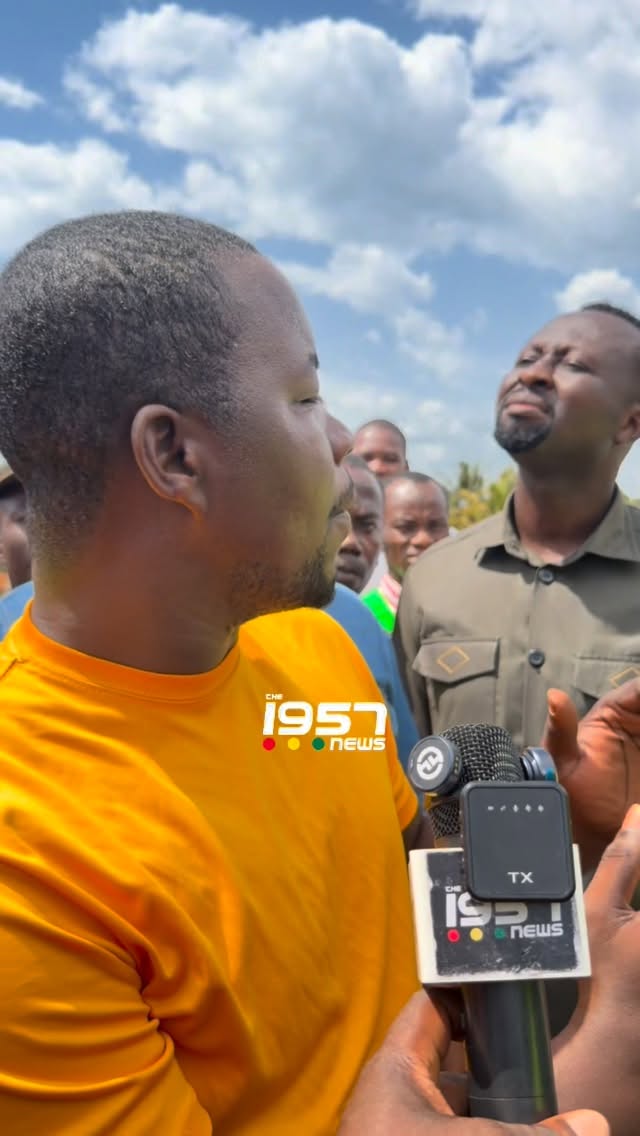
There is nothing unusual about a roads minister touring projects. What is less common is a citizen vigilante stepping out of the crowd in full view of the contractor, officials and media to accuse that same contractor of sleeping on the job.
That is exactly what happened when Governs Kwame Agbodza, the Roads and Highways Minister, took his nationwide “Big Push” inspection tour to the Western North Region.
Nana Nsiah Badu, a self-described NDC serial caller from Sefwi Debiso, did not mince words. The contractor, Cymain Ghana Limited, working on the Adwofua-Oseikojokrom road (km 16-41), was “doing nothing”, Badu said. The company only mobilised to site, he claimed, because it had wind that the minister was coming.
“He has two graders one is packed because it is damaged. He will park two out of the three tipper trucks as soon as the minister leaves,” Badu declared, switching from Sefwi to Twi for emphasis. “Look at the filling he has done it’s because the minister was coming.”
What made the intervention striking was Badu’s political identity. He is an NDC serial caller a loyal foot soldier of the ruling party yet he accused the Mahama administration of neglecting his community. “Since 1992 we have been voting for the NDC but when they win power we are neglected,” he said. “What wrong have we done?”
The resident demanded to know whether the contractor had been paid. If not, he urged the minister to release funds. If the contractor had been paid but was deliberately underperforming, Badu wanted him replaced despite President Mahama’s stated policy of avoiding contract terminations to prevent judgment debt.
Agbodza’s response was carefully calibrated. He commended the vigilante’s concern, promised him a direct phone number to send video updates, and urged local officials to monitor closely. But he did not terminate the contract on the spot. The regional highways director conceded that while the contractor had not abandoned site, the pace was questionable. The local MP agreed.
Earlier on the same tour, in the Ahafo Region, the minister had shown far less patience. The contractor on the 55km Bediako Junction–Camp 15–Sefwi Adabokrom road (Lot 1) had been given possession of site five months ago. Expected progress: nearly 20 percent. Actual progress: less than 2 percent.
Agbodza was visibly angry. “We are giving this contractor two months to claw back to over 20 percent or consider this project terminated,” he said. “No further discussion.” He added that the government would not extend the November 2027 deadline “whether this contractor comes or not”.
That threat to terminate and reassign sits uneasily alongside the president’s caution on judgment debt. But Agbodza’s message to local officials was blunt: “No contractor in this country is above the law. We have over 5,000 contractors registered with us looking for work. Only a handful are in the Big Push. It must be a privilege.”
By contrast, later that evening in Sefwi Akontobra, the minister found Kingspok Construction Limited working at 8pm on the Dadieso-Akontombra road. The contractor was ahead of schedule. “He is one of the few that we don’t expect to spend 24 months on site,” Agbodza said. No ultimatum. No complaint.
The tour then moved to the Ashanti Region, where Agbodza inspected the Suame Interchange and the 47km Kumasi Outer Ring Road. On the latter, handled by Arab Contractors, progress was unimpressive. “Unless the world comes to an end or an asteroid hits the road,” the minister warned, “there will be no excuse for any contractor not to finish within the scheduled time.”
On the Suame Interchange, which is progressing more steadily, he confirmed that the government has paid US$29.5 million in arrears and committed an additional GH¢3 billion. Completion is set for end-2028.
The Sefwi Debiso incident was more than roadside theatre. It exposed a persistent problem for Ghana’s infrastructure flagship: oversight that depends on ministerial tours rather than routine monitoring. Agbodza’s decision to give his personal number to a citizen vigilante is populist and smart politics but it also signals that formal supervision is not trusted to work.
For the NDC loyalist who confronted the minister, the calculation is simpler. “As soon as he leaves, the contractor won’t come back,” Badu said. Now he has a direct line to Agbodza. The question is whether the minister will answer when the videos start arriving.