By Lawrence Odoom
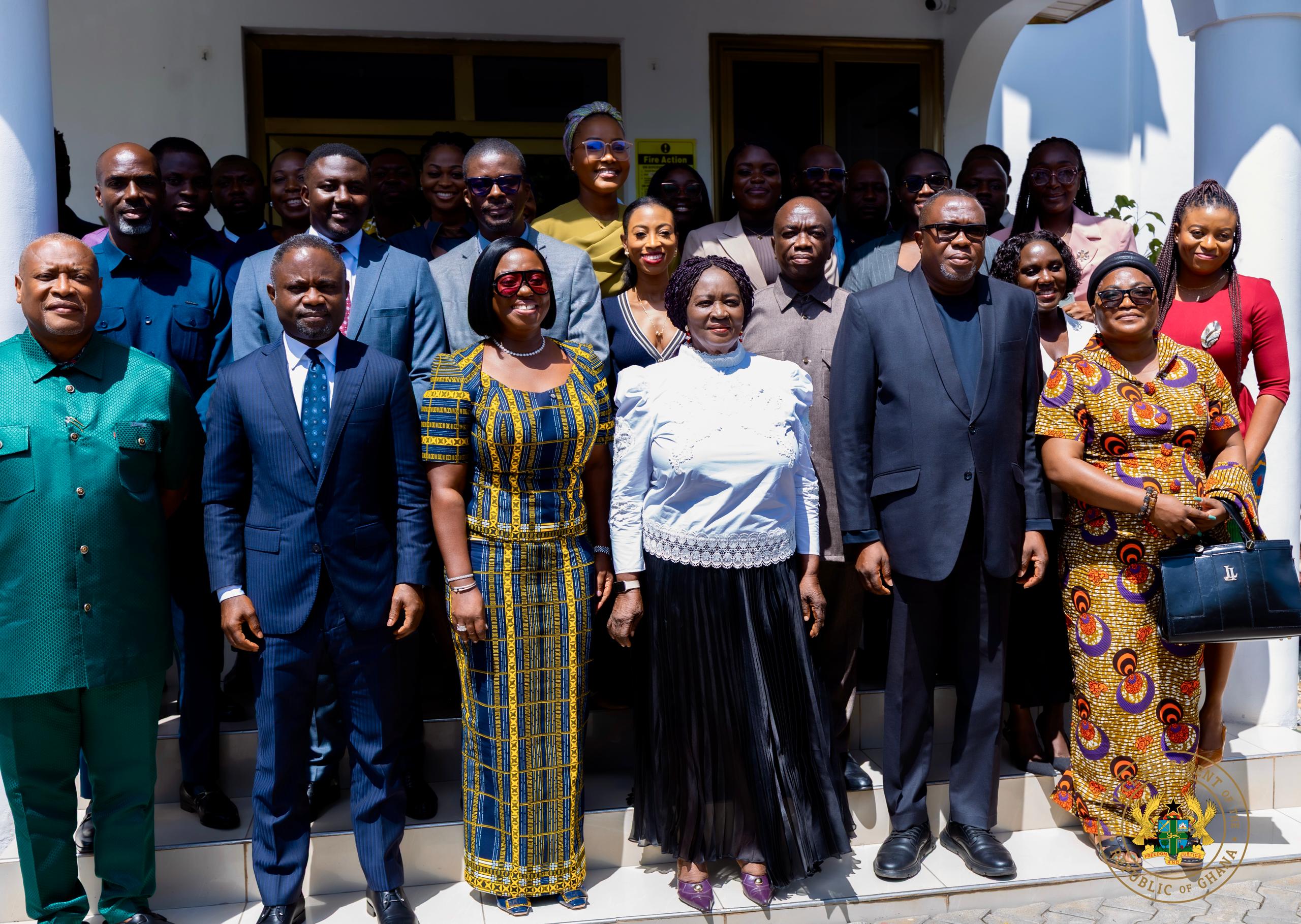
Vice President Prof. Naana Jane Opoku-Agyemang has reaffirmed the government’s commitment to building an inclusive and resilient health system, following a high-level working visit to the Ghana Medical Trust Fund, widely known as MahamaCares.
The Fund was conceived to close a critical gap identified during the government’s manifesto development: the overwhelming financial strain imposed by non-communicable diseases (NCDs) conditions that remain largely outside the coverage of the National Health Insurance Scheme (NHIS).
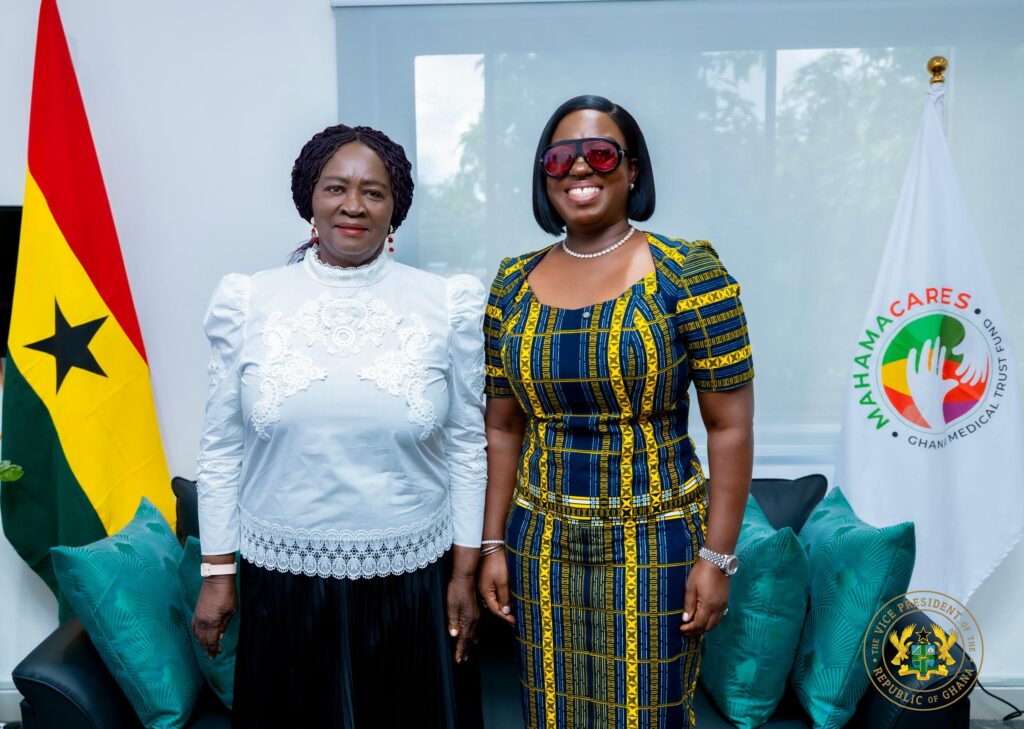
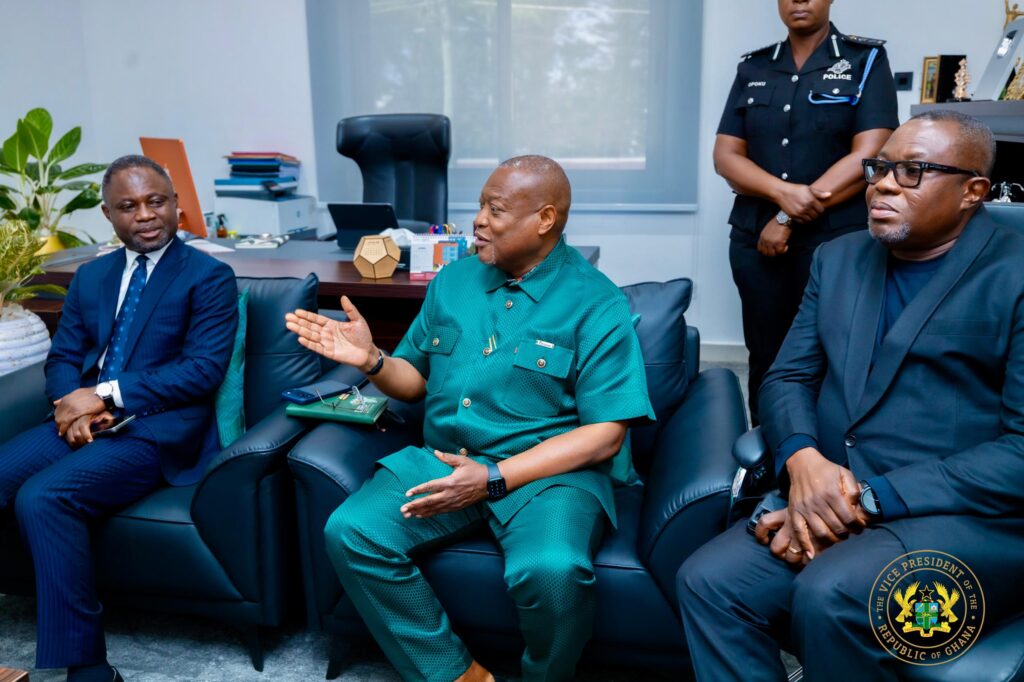
Prof. Opoku-Agyemang was received by the Minister for Health, Hon. Kwabena Mintah Akandoh, and the Administrator of the Fund, Ms. Obuobia Darko-Opoku, who presented a comprehensive briefing on the initiative’s progress and strategic direction.
The MahamaCares programme operates as a complementary pillar within Ghana’s broader health architecture, which also includes the uncapping of the NHIS and the rollout of free primary healthcare aimed at strengthening prevention and early-stage intervention.
“The vision is a healthcare system built on layered care prevention, early detection, and specialized treatment,” the Vice President stated.
“We must continue to strengthen training, research, and technical expertise, including developing personnel capable of maintaining critical medical equipment.”
Following extensive needs assessments across multiple health facilities, the Fund has identified acute shortfalls in specialized equipment, infrastructure, and skilled personnel. In response, MahamaCares is being implemented in phases, with cancer treatment prioritized as the initial focus.
The programme integrates trained facilitators, partnerships with select private healthcare providers, and the deployment of digital systems across major hospitals to enhance efficiency and patient tracking. Beyond infrastructure, the Fund is channeling resources into direct patient support, provision of life-saving equipment, and capacity building for frontline healthcare professionals.
Commending the team for their dedication, Prof. Opoku-Agyemang urged stakeholders to amplify the human stories behind the initiative.
“Impact stories are powerful. They build public awareness, foster trust, and remind us why this work matters,” she said.

The visit underscored the administration’s broader agenda to deliver comprehensive, equitable, and responsive healthcare to all Ghanaians, with particular emphasis on protecting vulnerable households from catastrophic medical costs.
“This is about restoring dignity to care,” the Vice President added. “It is about ensuring that no Ghanaian is denied treatment because of financial constraint, and that our health system reflects the values of compassion, equity, and inclusion.”