

By Leo Nelson
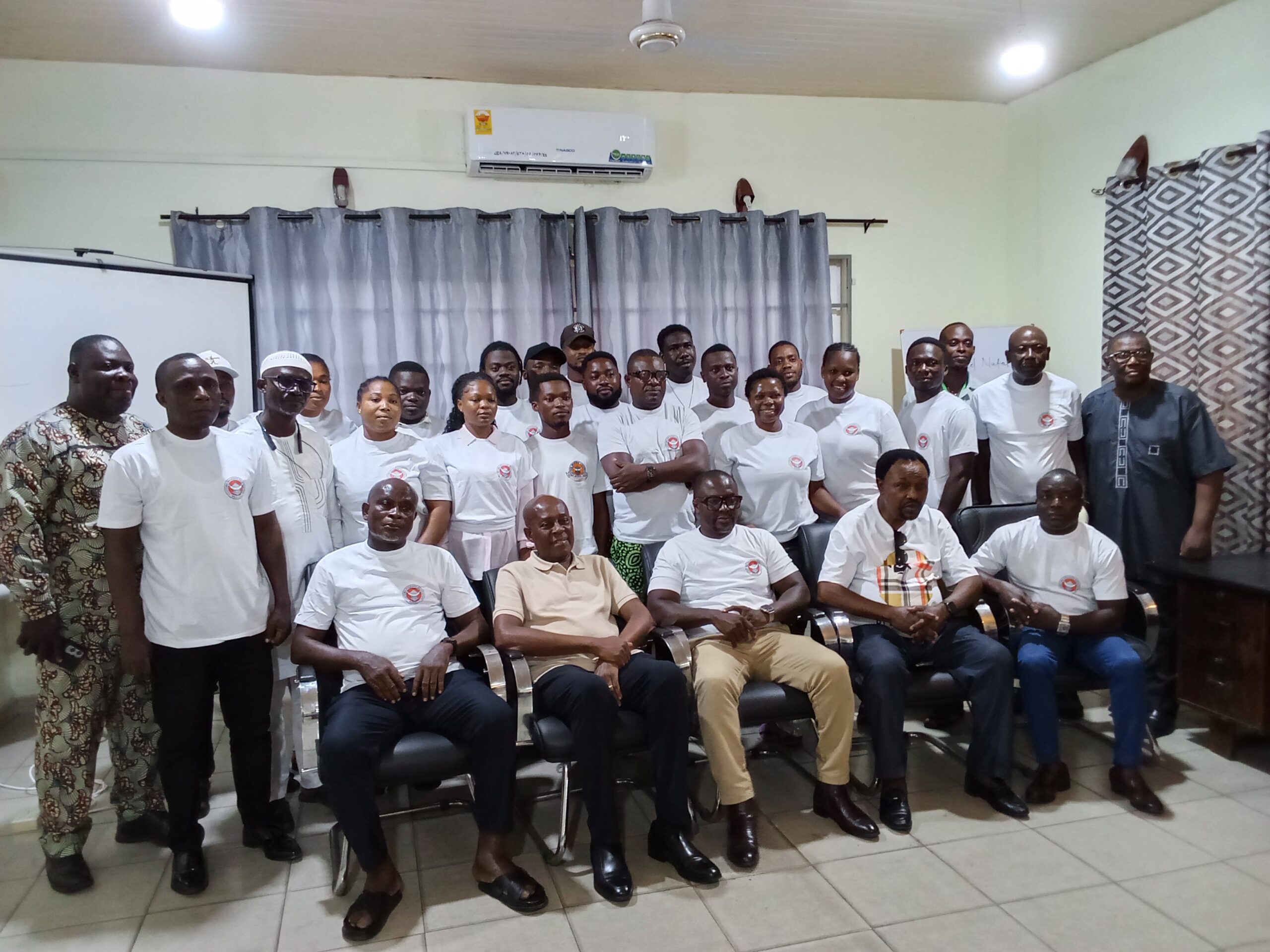
The Aflao branch of the Customs Brokers Association of Ghana (CUBAG) has organised a four-day capacity building training workshop for its members aimed at enhancing professionalism, improving customs procedures, and strengthening compliance within the freight forwarding and logistics industry.
The workshop, held at Aflao in the Ketu South Municipality of the Volta Region, brought together customs brokers, freight forwarders, clearing agents, and other stakeholders operating along the busy Ghana-Togo border corridor.
Officially opening the workshop, Aflao Sector Commander of Customs, Assistant Commissioner (AC) Emmanuel Duh, called on Customs House Agents to uphold compliance in their work to support the sector in meeting its revenue targets, pledging the sector’s continued commitment to effective collaboration with CUBAG in the discharge of the association’s mandate.
He acknowledged the challenges faced by agents in facilitating trade, but urged them to rise above those constraints and work closely with Customs to enhance revenue mobilisation.
Emphasizing the importance of patriotism in trade operations, AC Duh encouraged stakeholders to put national interest first, stressing the need to “place Ghana first” in all their activities.
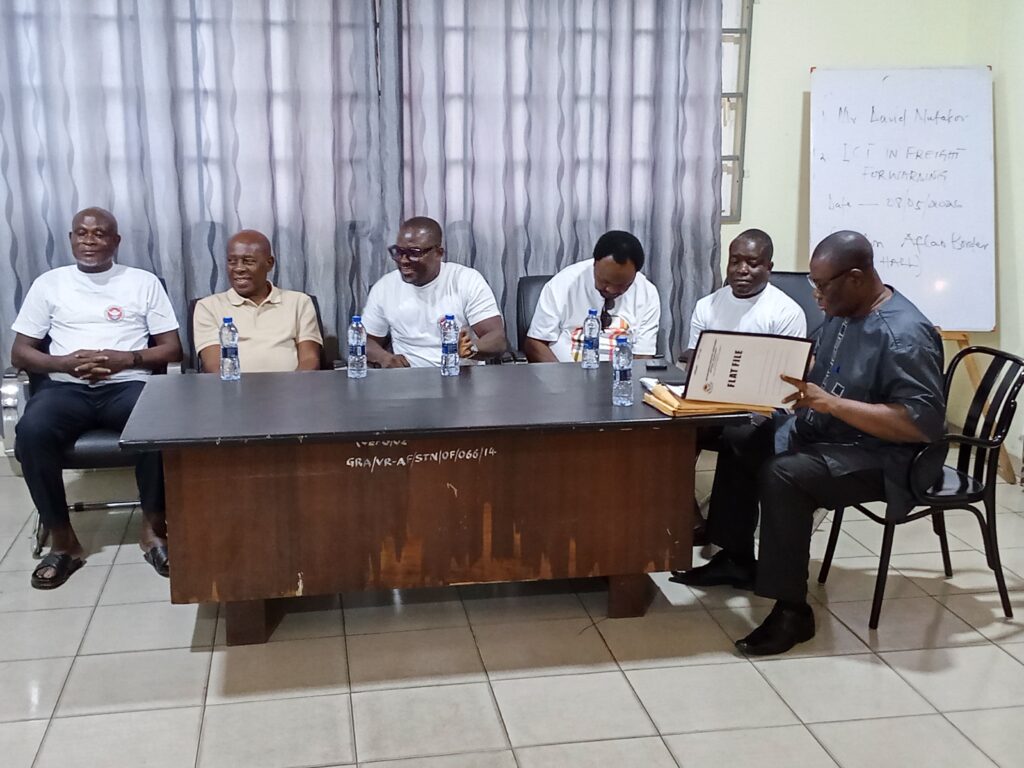
National President of CUBAG, Nana Fredua Ofori Atta, who joined the workshop’s closing ceremony with other National Executives on Friday, May 8, said the training formed part of efforts to equip members with updated knowledge on customs regulations, trade facilitation measures, and evolving port and border management systems.
He noted that the customs brokerage profession plays a critical role in international trade and revenue mobilisation, stressing the need for practitioners to continuously build their capacity to meet modern demands in the sector.
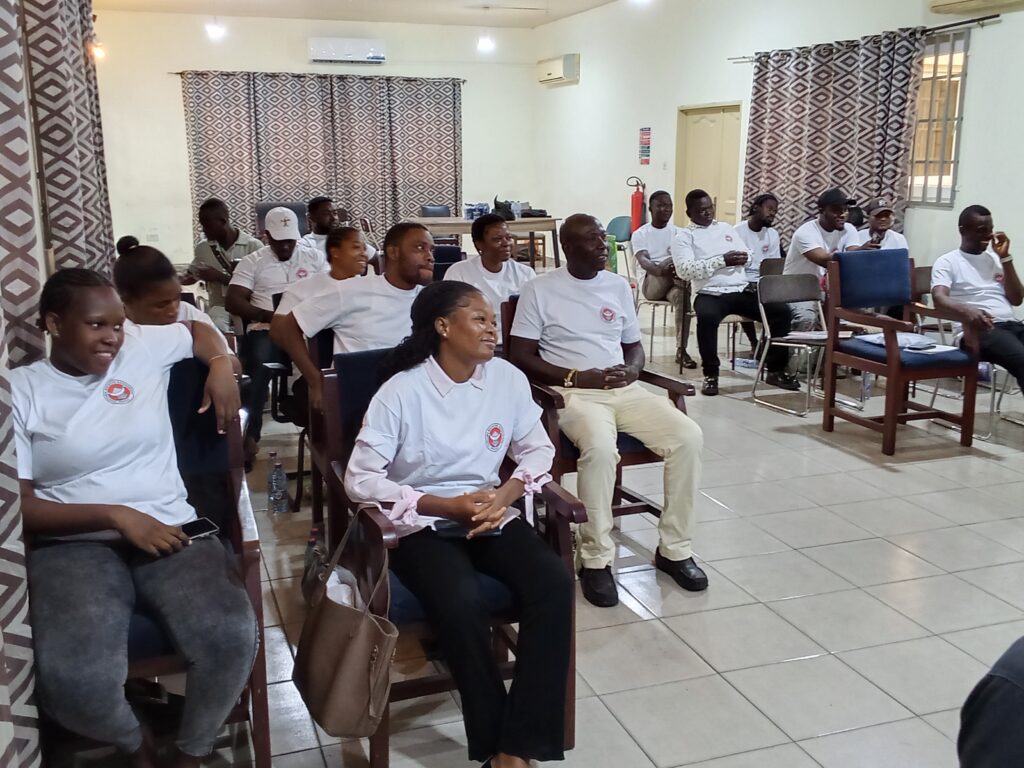
Facilitated by David Nutakor, Gibson A. Keteku and Oscar Akaba-Norvixoxo, the workshop saw participants receiving training and education on topics including customs documentation procedures, valuation and classification of goods, ethical conduct in customs brokerage, digital clearance systems, and compliance with regulations of the Ghana Revenue Authority and the Customs Division.
Aflao branch Chairman of CUBAG, Emmanuel Dziwornu urged members to uphold integrity and professionalism in the discharge of their duties to help reduce delays, avoid revenue leakages, and improve efficiency at the country’s borders.
He also encouraged stronger collaboration between customs officials and clearing agents to ensure smooth trade operations and effective implementation of government trade policies.
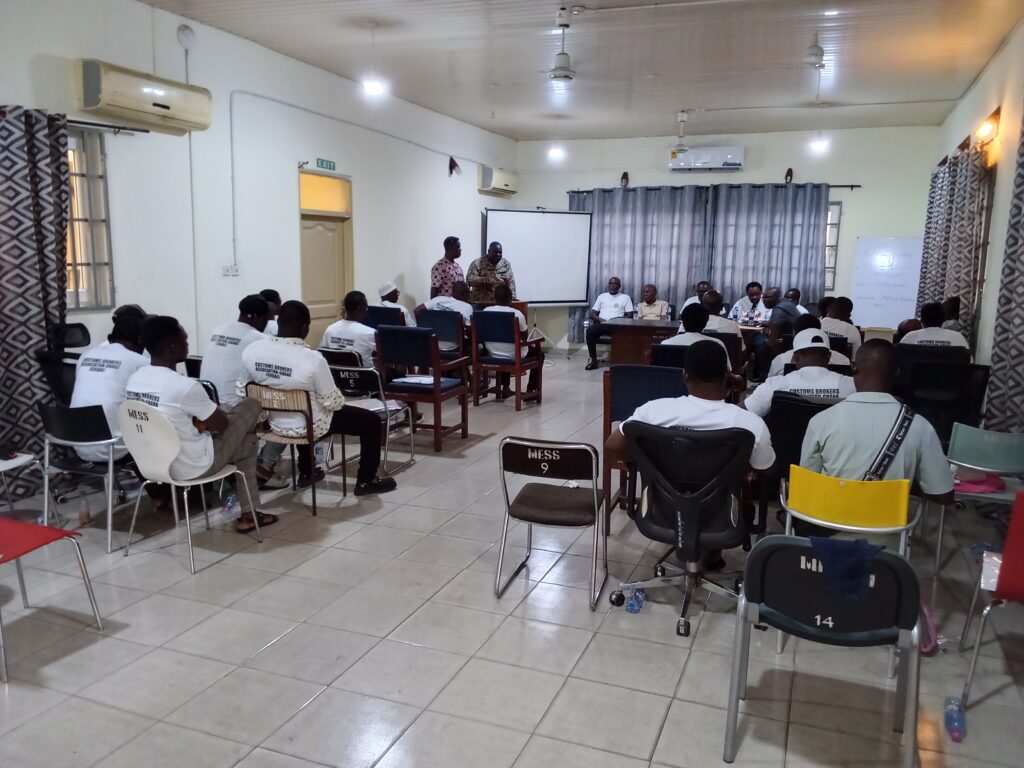
Some participants expressed appreciation to the association for organising the workshop, describing it as timely and beneficial, especially in view of ongoing reforms within the customs and trade sectors.
According to them, regular training programmes would help members stay abreast of changing regulations and technological advancements in customs administration.
The Aflao branch leadership reaffirmed its commitment to organising similar capacity-building programmes to improve service delivery and promote best practices among members of the association.
The Customs Brokers Association – Ghana (CUBAG) was formed under the authority of the Custom House Agents Licensing Decree, 1978 (SMCD 188) and the Custom House Agents Licensing Regulations, 1978 (L.I. 1178) in 1992.
The Primary Law was promulgated to regulate and control the operations of the Custom House Agent, popularly called the ‘Clearing Agent’. The licensing and functional controls are vested in the Customs, Excise and Preventive Service.
The Customs Brokers Association – Ghana (CUBAG) is a non-governmental organization of corporate bodies which have been licensed to do the business of ‘custom house agent’.
Primarily, it has the mandate to ensure the highest standard of efficiency, quality service delivery and observance of regulatory measures by its members to enhance the administration of indirect taxation.
It also has the responsibility of ensuring the protection of clients, importers and exporters from trade barriers and exploitation.