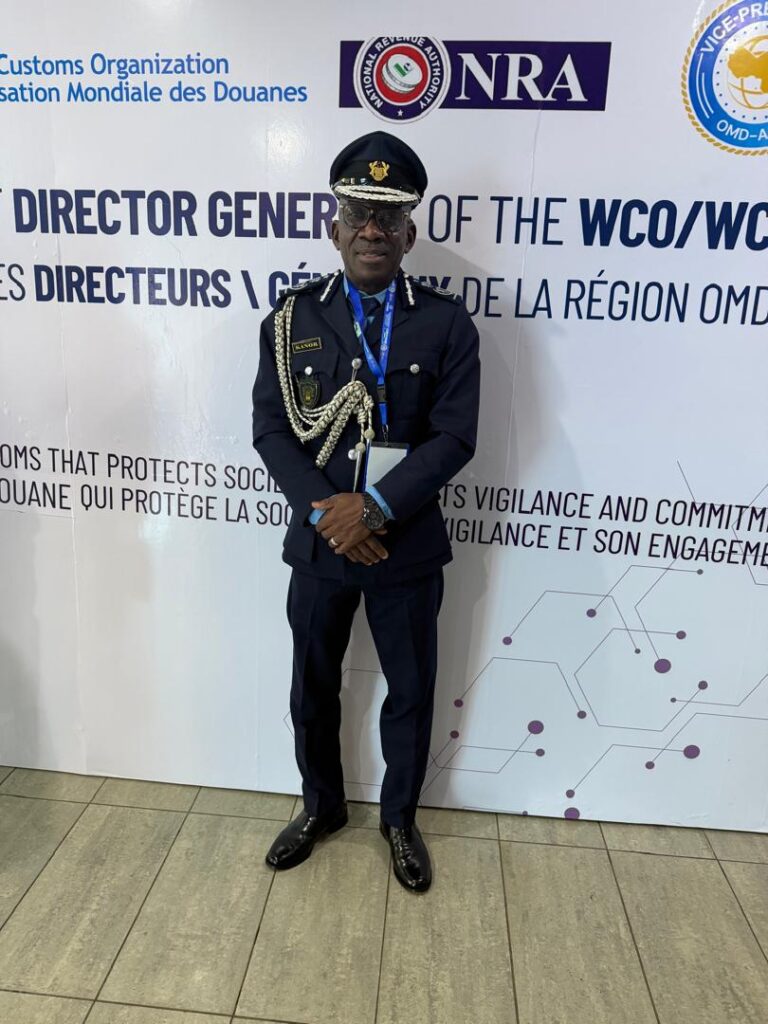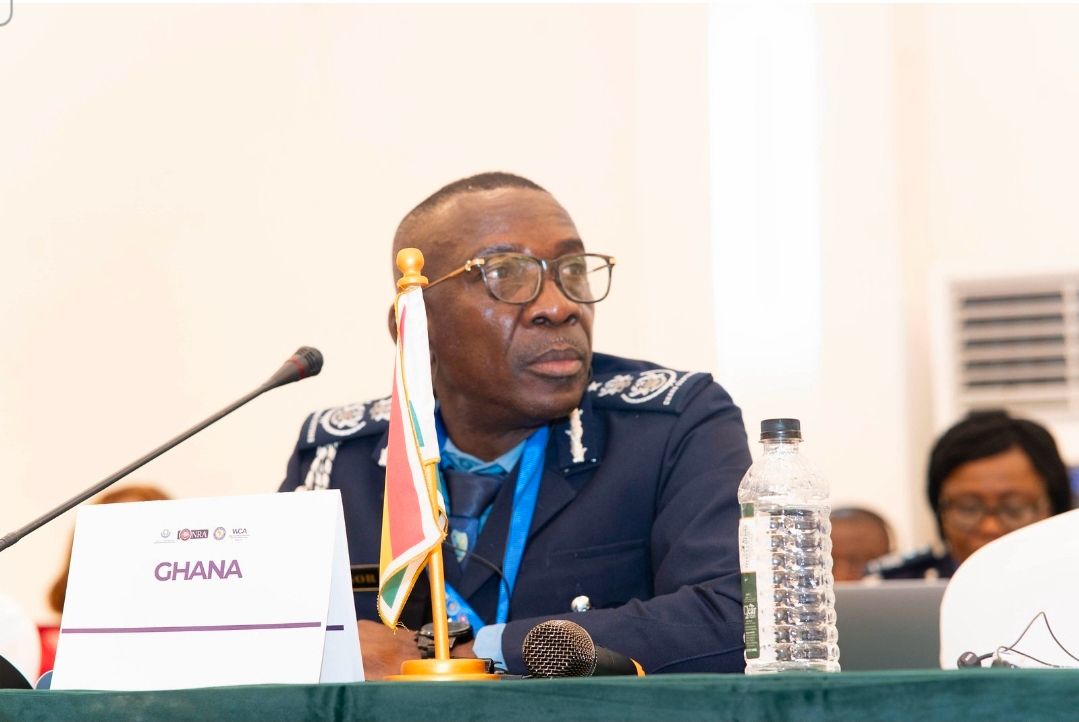
Ghana’s Commissioner of Customs, Aaron Kanor Urges as he Takes Center Stage at 32nd Conference of Directors General of Customs West and Central Africa (WCO-WCA) Region in Sierra Leone
By Emmanuel Nii Sackey
Freetown, Sierra Leone — As the morning mist cleared over the Atlantic, Freetown became the strategic heart of African commerce last week. The 32nd Conference of Directors General of Customs for the West and Central Africa (WCO-WCA) region, officially opened at the Freetown International Conference Centre, bringing together the architects of the continent’s trade security.
The high level event which run from May 4–8, 2026, drew over 150 technical experts and Customs Chiefs from 28 countries. The mission is clear: evolving customs from simple tax collection points into sophisticated shields for society.
Beyond Revenue: Protecting Lives
Under the theme, “A customs service that protects society through its vigilance and commitment,” the tone of the conference was set early by Sierra Leone President, Julius Maada Bio and officials from the host country’s National Revenue Authority (NRA).
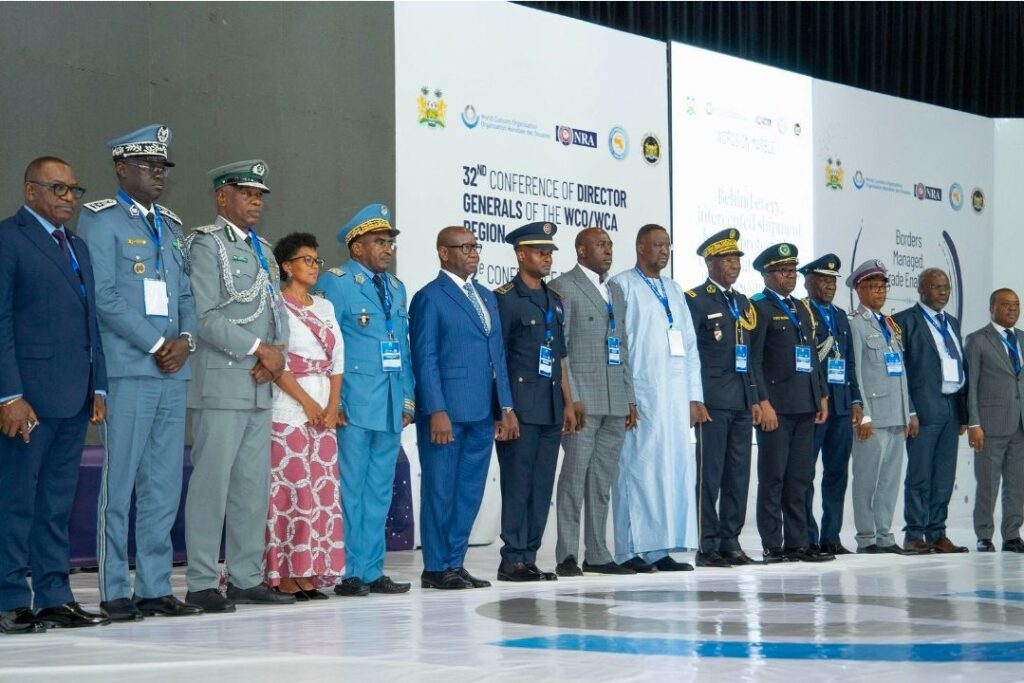
In a stirring opening address, the President framed customs officers not merely as bureaucrats, but as the “frontline of the state itself.” The agenda emphasized that while revenue is vital, the primary duty is the interdiction of “silent killers”—counterfeit medicines, illicit weapons, narcotics, and the financial flows that fuel terrorism.
The Digital Shift
The conference doubled down on a “smart border” philosophy. Key discussions were centered on:
- Automation: Implementing electronic single-window systems to cut through red tape.
- Non-Intrusive Inspection: Utilizing advanced scanning technology and data analytics to flag high-risk cargo without slowing down lawful trade.
- Regional Integration: Strengthening the ECOWAS Common External Tariff to protect local industries and ensure a level playing field across the region.
“We are moving toward a future where data, not just physical barriers, secures our borders,” noted a senior delegate during a session on cargo tracking.
A Win for Sierra Leone
Hosting this continental assembly is a significant diplomatic and economic feather in the cap for Sierra Leone. By showcasing its own digital reforms and transparency efforts, the NRA is positioning the country as a regional leader in trade facilitation.
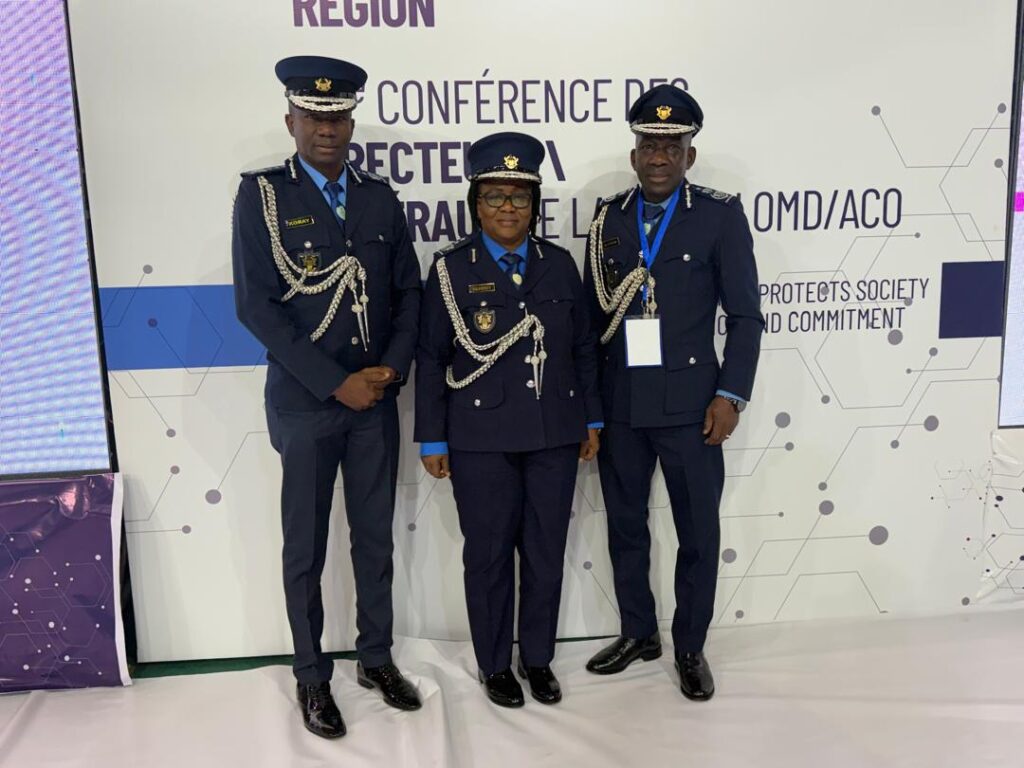
The “Freetown Effect” was also felt outside the conference walls—Local hospitality, transport, and tourism sectors have seen a sharp uptick as delegates explored the capital, providing a short-term boost to the domestic economy.
Speaking on the sidelines of the conference, Ghana’s Commissioner of Customs, Aaron Kanor stressed the need for stronger collaboration among customs administrations to effectively tackle smuggling, illicit trade, and other transnational crimes that continue to threaten economic stability within the region.
He noted that customs institutions play a critical role in promoting economic growth through efficient revenue collection and the facilitation of legitimate trade.
According to him, the growing complexity of international trade demands that customs authorities embrace digital transformation and intelligence-led operations to improve efficiency and transparency.
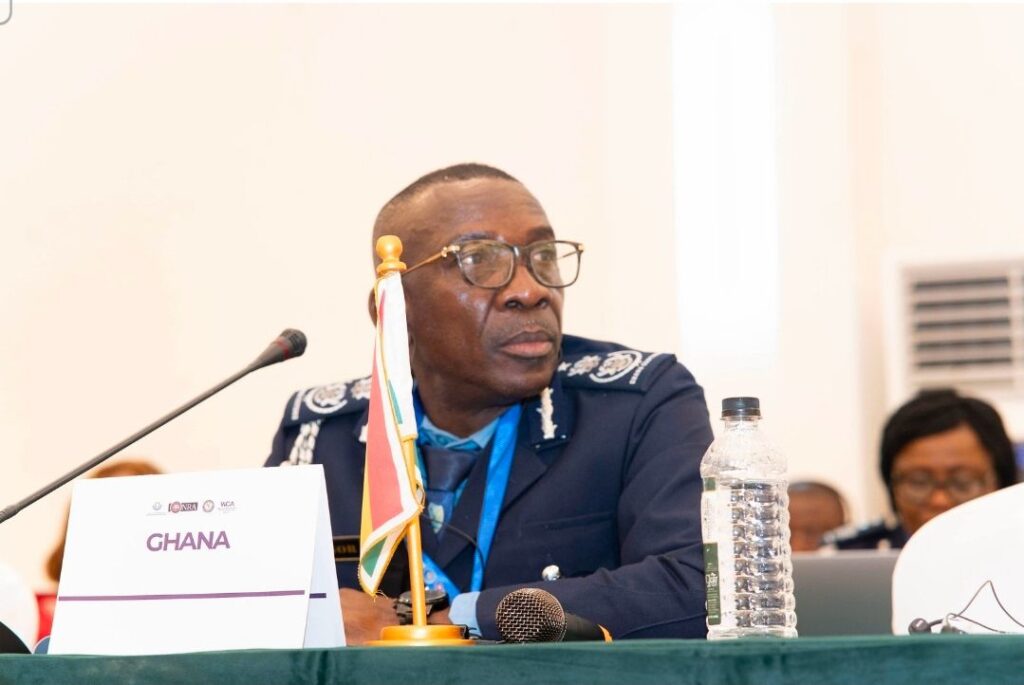
Commissioner Aaron Kanor highlighted Ghana’s ongoing customs modernisation initiatives, including the deployment of integrated digital systems and enhanced stakeholder engagement aimed at reducing bottlenecks at the country’s ports and borders.
He further reiterated Ghana’s commitment to the implementation of regional trade protocols under the Economic Community of West African States (ECOWAS) and the African Continental Free Trade Area (AfCFTA).
The Commissioner also called for sustained capacity building for customs personnel and increased information sharing among member states to strengthen border security and improve compliance.
The Road Ahead
As the conference entered its final days, the focus remained on capacity building. Leaders signed off on a series of coordinated international actions designed to curb revenue leakages and dismantle transnational criminal networks.
By sunset on May 8, the goal was a unified West and Central Africa—one that is smarter, safer, and open for legitimate business.