

One in ten paediatric pneumonia cases at KATH prove fatal as immunisation coverage stagnates at 56%
By Leo Nelson
Ghana’s childhood pneumonia fight is faltering. Despite free vaccines and global progress, preventable deaths persist and vaccine hesitancy is largely to blame.
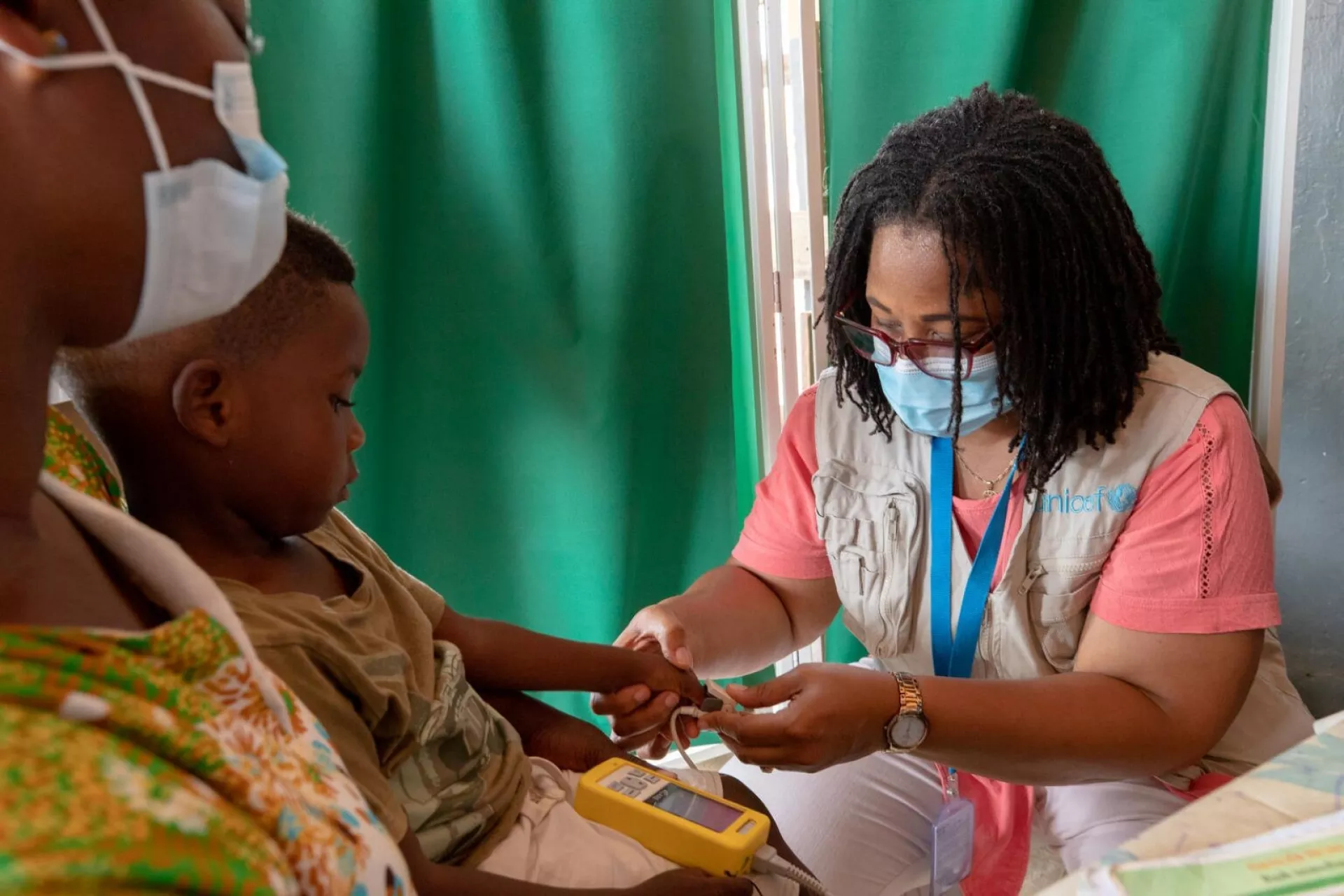
Dr Sandra Kwarteng Owusu, paediatric pulmonologist at Komfo Anokye Teaching Hospital (KATH), paints a sobering picture from the country’s second-largest referral centre. Over the past five years, one in every ten children admitted with pneumonia has died.
“That is worrying,” she told The New Republic ahead of World Immunization Week. “We want to reduce it to less than that.”
Globally, the tide has turned. Twenty years ago, pneumonia claimed over two million young lives annually. Today, that figure hovers around half a million a reduction driven overwhelmingly by pneumococcal conjugate vaccines, antiretroviral therapy and better treatment protocols.
But Ghana is not tracking the global curve. KATH’s data shows that incomplete vaccination or no vaccination at all is the common thread running through severe cases.
Nationally, only 56% of children are fully vaccinated under the Expanded Programme on Immunisation. That leaves nearly half of Ghana’s child population exposed to wholly preventable pathogens.
Vaccine hesitancy, Owusu says, is now endemic. Fear stoked by relentless misinformation has taken root.
“People put all sorts of information out there, some of it not substantiated and not backed by science,” she said, recalling COVID-era falsehoods that vaccines were “meant to wipe away Africa”.
The pandemic’s legacy is twofold: it supercharged distrust and disrupted routine access. Movement restrictions and social distancing kept parents away from facilities. Non-emergency care including immunisation was quietly abandoned.
Beyond the willfully hesitant lie structural barriers. Farming schedules override clinic appointments. Market days take precedence. Transport costs and long distances keep remote communities cut off entirely.
“Some live in very remote areas, just cut off from the general community,” Owusu said.
Cultural and religious beliefs compound the problem. In some households, family elders actively discourage vaccination, citing personal anecdotes or circulating rumours that vaccines are designed to harm.
Owusu is calling for a renewed public education push, one that confronts misinformation head-on and rebuilds confidence vaccine by vaccine.
Her message to parents is stark: vaccines are among the safest, most effective tools against life-threatening diseases like pneumonia. Without them, the KATH mortality rate will not budge.
And for the child in a remote farming community who misses just one dose, that could be the difference between life and death.
Vaccine Fear Fuels Child Pneumonia Deaths
0Related Posts
Add A Comment
© 2026 THE NEW REPUBLIC GH.
About | Contact | Privacy Policy