

By Joel Degue
“Throughout history, it has been the inaction of those who could have acted; the indifference of those who should have known better; the silence of the voice of justice when it mattered most; that has made it possible for evil to triumph.” – Haile Selassie I.
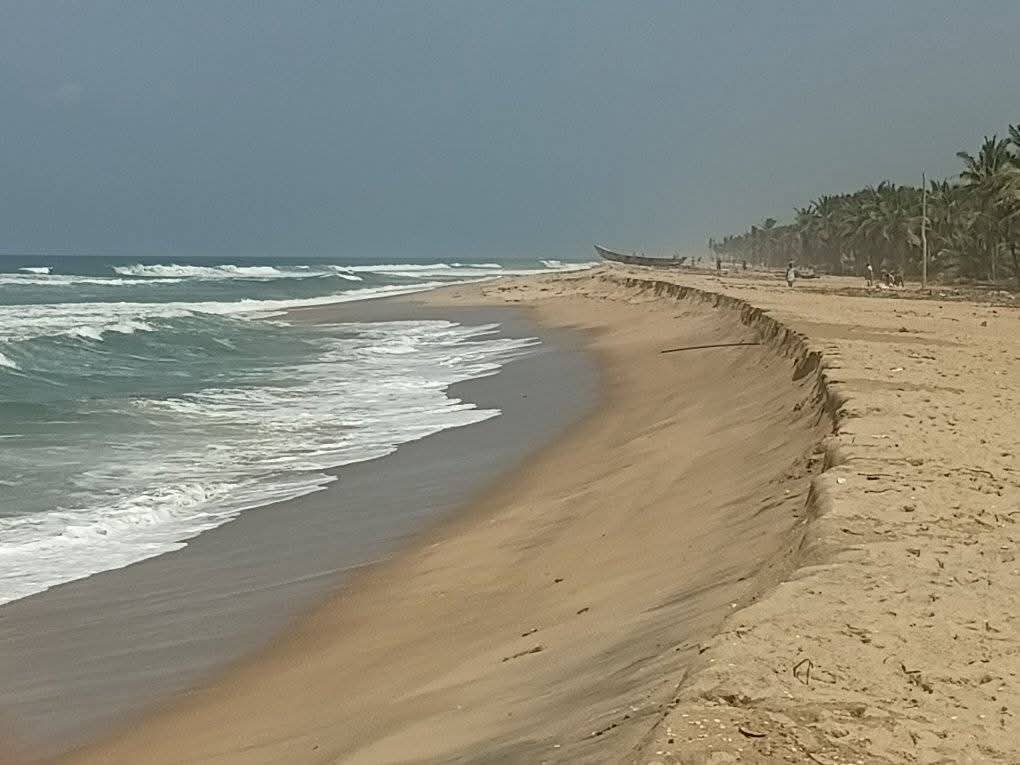
There are moments in a nation’s history when decisions reveal not only priorities but also values, principles and tenets. The debate surrounding the WACA ResIP 2 Project is becoming one of those defining moments today in Ghana. It is also exposing a disturbing reality: some people appear to be resurrecting a colonial mindset that should have been buried long ago.
This is the thing! In 1929, during British colonial rule, A.T. Coode (an Engineer with a London-based engineering company by Coode, Wilson, Mitchell and Vaughan-Lee) reportedly argued that it was not economically justifiable to spend £1 million to protect Keta from the advancing sea because the total value of all the properties in the town could not even amount to £1 million.
In other words, Keta was considered too poor. That cold and unrealistic economic calculation placed a monetary value on an entire people and community, their homes, their cultural heritage, and their future survival. It reduced one of the most economically thriving coastal communities to a commodity, a balance sheet.
The cost of inaction has already been amply demonstrated by history. The question to ask now is, have we learnt anything at all from history?
Those who reduce this conversation to figures on a spreadsheet and economic gains overlook a fundamental truth: the true value of the land and communities east of Volta Estuary cannot be calculated in pounds, dollars or cedis. Its value lies in its people (the true wealth of a nation), its history, its assets, its contribution to Ghana’s economy, and its place in our national identity and pride. History has already delivered its verdict on the thinking that left Keta exposed in 1929.
It was short-sighted. It was unjust. And it imposed enormous costs on generations who had no voice in that decision then. We cannot afford to repeat that mistake under a different name today.
This is not simply about Southern Volta. It is about what kind of nation Ghana chooses to be now and in the future. Is Ghana a country that protects only what is immediately profitable or one that stands with all its citizens, especially those on the frontlines of climate change crises, floods, tidal waves and coastal erosion?
The decisions made today will echo for generations to come. Future Ghanaians will remember whether we chose vision over indifference, resilience over neglect, and justice over expediency. Those who believe history has forgotten the lessons of Keta in 1929 should think again.
The people of Southern Volta are watching! The nation Ghana is watching. And history is watching most of all! A word to the wise, they say, is enough.
The writer is an Environmental Activist and Climate Change Advocate