

President John Dramani Mahama has intervened directly in the perennial flooding crisis that has paralysed Accra for decades, instructing the Ministry of Works, Housing and Water Resources to develop a comprehensive permanent solution with a five-month deadline.
The directive, disclosed by Finance Minister Dr. Cassiel Ato Forson during the 2026 mid-year budget review on 23 July, carries unusual urgency. The plan must be ready for the 2027 budget, effectively giving the ministry until December to produce what successive administrations have failed to deliver in sixty years.
“His Excellency the President has directed the Ministry of Works, Housing and Water Resources to develop a comprehensive and permanent solution to flooding in Accra and other flood-prone areas across the country,” Forson told Parliament. “The necessary funding for the implementation of this permanent solution will be provided in the 2027 Budget and the medium-term.”
The announcement follows the catastrophic rainfall of 29 June 2026 the fourth-highest single-day rainfall since 1995, with 169.2 mm recorded in 24 hours.
The numbers are stark:
· 34 confirmed fatalities, 12 in Accra alone
· 89,736 people displaced across 7,761 households
· 470 rescued by emergency teams
· Hundreds still missing
The economic damage was immediate and visible. The Kwame Nkrumah Circle transport terminal was submerged. Dozens of commercial vehicles were destroyed. Major arteries became impassable, paralysing the capital’s economic rush hour.
Emergency teams from the Ghana National Fire Service and the military mounted rescue operations, pulling stranded residents from rooftops. But for thousands, the damage was already done homes, schools, marketplaces and businesses swallowed by flash floods.
Mahama’s directive is as much political as it is practical. The June floods occurred barely six months into his administration, reviving memories of similar disasters under previous governments and raising uncomfortable questions about why Accra remains vulnerable after decades of promises.
The President has effectively bypassed the usual bureaucratic inertia, imposing a tight deadline and linking funding directly to the 2027 budget. This signals that the government intends to treat flooding not as a seasonal nuisance but as a national security issue requiring structural intervention.
For the Ministry of Works, Housing and Water Resources, the directive presents both an opportunity and a test. Previous administrations have produced numerous studies and reports from the 2010 Odaw River Basin Master Plan to the 2018 Greater Accra Resilience Strategy but implementation has consistently lagged.
Forson also confirmed that additional funding has been released for emergency relief on Mahama’s instructions, though he did not specify the amount.
The release comes as NADMO continues search operations for missing persons and coordinates the shelter of displaced families. With 7,761 households affected, the pressure on state resources is considerable.
Accra’s flooding problem is rooted in multiple failures:
· Inadequate drainage infrastructure incapable of handling extreme rainfall
· Uncontrolled urban development on floodplains and watercourses
· Poor waste management blocking existing drains
· Climate change bringing more frequent and intense rainfall events
The 29 June event demonstrated that even well-maintained systems would have struggled. But critics argue that decades of neglect have turned a manageable problem into a recurring catastrophe.
A comprehensive solution would likely require:
· Major drainage upgrades, including expansion of the Odaw River basin capacity
· Relocation of settlements from high-risk floodplains
· Enforcement of building regulations to prevent further encroachment
· Investment in early warning systems and disaster preparedness
· Coordination across ministries, including local government and the Accra Metropolitan Assembly
The cost will be substantial. Previous estimates for comprehensive flood control in Accra have ranged into billions of dollars. The government’s willingness to provision funding in the 2027 budget suggests it is prepared to make the necessary investment.
Mahama’s directive is the first serious attempt by any president to break the cycle of promises and neglect. But the test will be in implementation.
The ministry has five months to produce a credible plan. The government has committed funding. The question is whether the political will to see the plan through will survive the inevitable bureaucratic resistance, land disputes, and competing budget priorities.
For the 89,736 Ghanaians displaced in June and the thousands more who face the same risk every rainy season the answer cannot come soon enough.
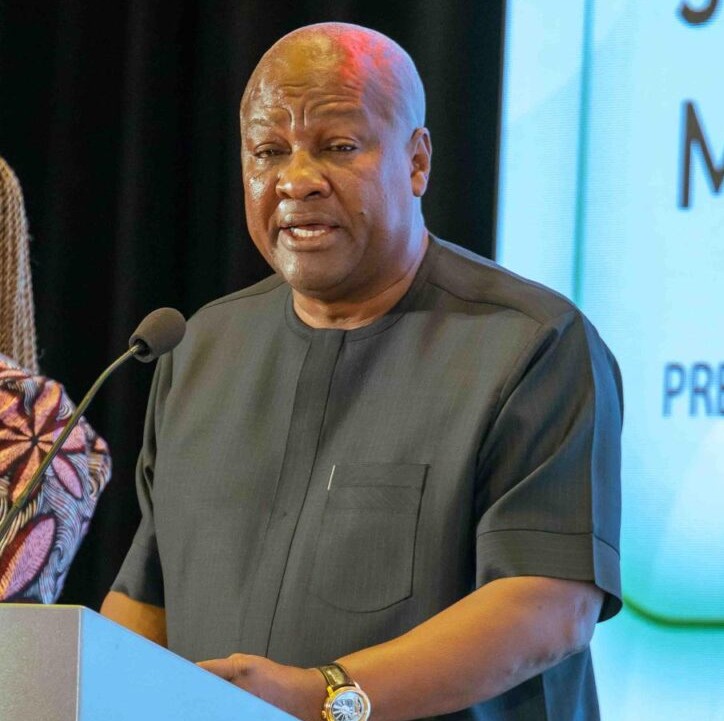
Mahama Orders Permanent Fix After June Deluge
0Related Posts
Add A Comment
© 2026 THE NEW REPUBLIC GH.
About | Contact | Privacy Policy