

By Philip Antoh
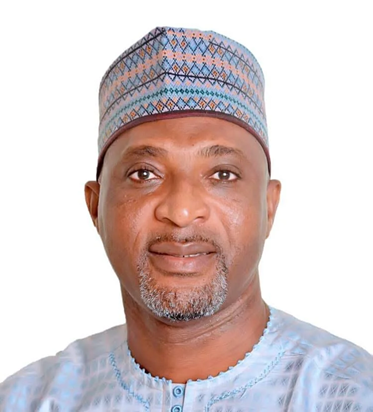
In a firm push to safeguard Ghana’s peace, the Minister of the Interior, Muhammad Muntaka Mubarak, has assured the Christian Council of Ghana that security agencies will remain strictly neutral, treating “crime as crime” regardless of who is involved.
During a recent meeting in Accra with the Christian leadership, Muntaka explained that the visit was twofold: to thank the Council for its continuous role in stabilizing the country, and to offer an unambiguous guarantee of impartiality from the state.
Citing Article 296 of the Constitution, which demands fairness and candour in the exercise of discretion, the Minister stressed that neither personal interests nor biases would blind the security apparatus.
“I want to assure you that between me, the team here, the board, and the security leadership… we shall remain neutral and treat crime as crime, no matter who is involved,” Muntaka stated.
He extended this assurance beyond the police to include other security agencies, noting that even though he does not directly command the Armed Forces, his seat on the Armed Forces Council allows him to vouch for the government’s overarching stance on neutrality.
This high-level engagement was prompted by a recent surge in inflammatory social media content that threatened to fracture the country’s social cohesion.
The tension ignited when a Christian pastor posted a viral video making derogatory remarks about Islamic sacred figures. In swift retaliation, an Islamic cleric released his own video urging violence and extrajudicial action against anyone who insulted the Prophet Muhammad.
The Ghana Police Service’s cyber vetting teams tracked down both men, arresting them for inciting religious hatred and violence.
However, the situation nearly escalated into a broader crisis at the police headquarters when an outside cleric physically accosted one of the handcuffed suspects. This breach of security prompted additional arrests and triggered an internal police probe.
To prevent the situation from spiraling, IGP Yohuno convened an urgent interfaith peace meeting at the police headquarters, bringing together representatives from the National Chief Imam’s office and the Christian Council of Ghana.
During the closed-door session, leaders from both faiths strongly condemned the initial blasphemous provocations as well as the subsequent calls for vigilantism.
The two clerics at the centre of the controversy have since been granted administrative bail as investigations continue.
As part of a broader strategy to promote responsible public discourse, the religious leaders have committed to using their pulpits to preach mutual respect and calm, working together with the Interior Ministry and the police to ensure national peace is not undermined by provocative rhetoric.