

… Goes 150 days of gun silence as rival factions begin to cross forbidden lines
By Prince Ahenkorah
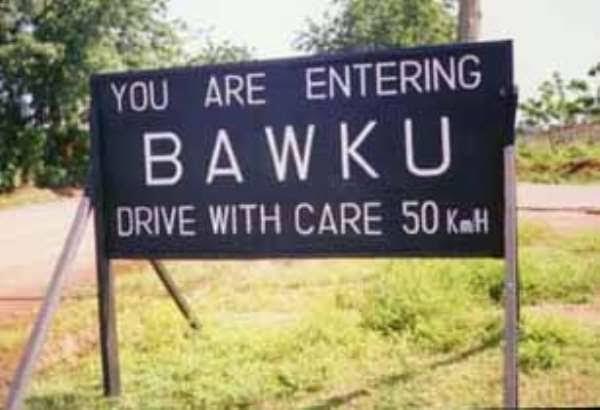
The Bawku enclave in the Upper East Region has recorded more than five months without gunfire, with the government attributing the development to improved security operations and sustained peacebuilding efforts.
The Minister for the Interior, Mubarak Mohammed Muntaka, disclosed this on Joy FM’s Super Morning Show on Monday, October 12, 2026, describing the period of relative calm as a significant improvement in an area that has endured years of conflict. “150 days, no gunshots,” he said.
According to the minister, the improved security situation has enabled authorities to ease the curfew imposed on Bawku, which now runs from 10 p.m. to 5 a.m.
He recalled that the restrictions had previously extended from 6 p.m. to 6 a.m. and, at the height of the violence, from 4 p.m. to 6 a.m.
“When the curfew is 10 to 5, it tells you that it has largely eased,” he stated.
Muntaka also said residents were now permitted to ride motorbikes between 6 a.m. and 6 p.m., following nearly five years of restrictions.
“They were not riding motorbikes for almost five years. Today, they are riding motorbikes from 6 a.m. to 6 p.m.,” he said.
The minister indicated that the government was assessing the prevailing security situation to determine whether the remaining restrictions, including the curfew and motorbike riding limitations, could be lifted completely.
“And very soon, we’ll be reviewing. Very soon, we may even lift it completely,” he added.
A resident of Bawku has also observed signs of improving relations among the factions involved in the conflict, suggesting that communities previously separated by hostilities are gradually beginning to integrate.
Speaking about the changes in the town, the resident said that, at the peak of the violence, members of the opposing factions were unable to enter one another’s territories.
However, the resident indicated that the situation is gradually changing, with interactions between the factions becoming possible as calm returned to the area.
The development, the resident suggested, offered hope that the communities could rebuild relationships and restore normal social life after years of tension and division.
The resident further urged the people of Bawku to help improve the town’s public image, expressing concern that its name had become closely associated with conflict and violence.
The resident appealed to the natives to contribute to creating a more positive perception of Bawku, rather than allowing every mention of the town to evoke memories of insecurity.
Reflecting on the violence in 2025, Muntaka said retaliatory attacks had spread beyond Bawku to other communities, including Binduri, Nalerigu and Walewale.
He said buses were attacked along highways and the violence placed considerable pressure on security agencies, particularly when students in secondary schools were affected.
“I mean, and I can bet you, these were periods that I could hardly sleep,” he recalled.
The minister explained that the government’s response combined security operations with peacebuilding and mediation efforts, including the involvement of the National Peace Council.
He also pointed to a reduction in the number of curfews across the country as evidence of improving security conditions.
According to him, Ghana began 2025 with approximately 11 curfews and ended the year with about nine.
“As we speak, we have only three more curfews,” he said.
Muntaka maintained that the country was safer than it was in 2025, although he acknowledged that crime remained a challenge.
“Ghana is much safer even today than it was in 2025,” he said.
“We are doing everything possible to ensure that you can go about your duties without necessarily having to be watching your back.”