

TNR Files
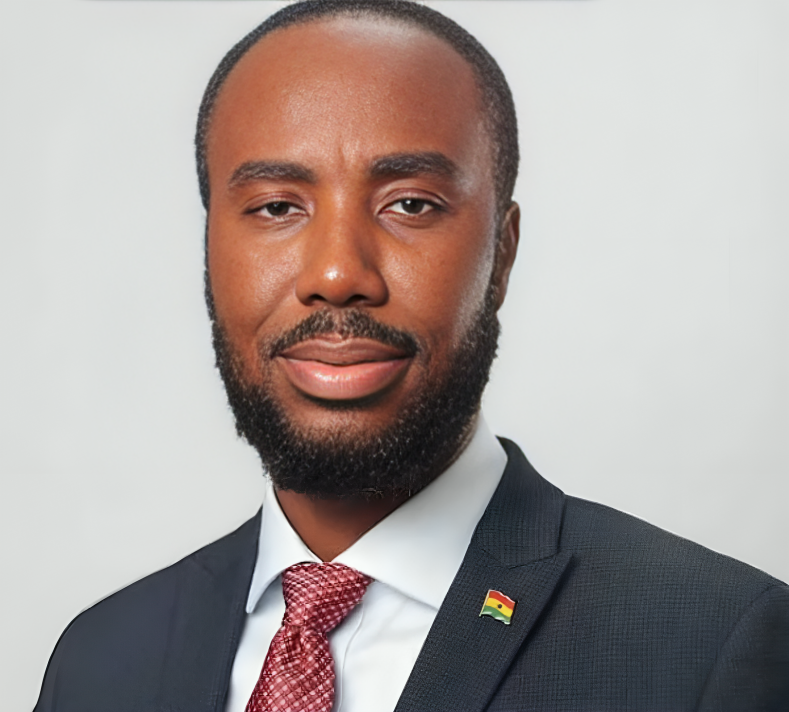
The state has amassed what it calls “monumental” evidence against former National Signals Bureau (NSB) Director General Kwabena Adu-Boahene and his wife, accused of diverting GH¢49.1 million of state funds into a private account. Deputy Attorney General Dr Justice Srem-Sai told The New Republic that prosecutors are all but certain of securing a conviction, with cross-examination of the final witness expected to close shortly.
The case, being pursued with the Economic and Organised Crime Office (EOCO), rests on a paper trail that prosecutors say leaves little room for doubt. Cheques used to transfer monies, bank statements showing the private account’s ownership, and evidence of how the funds were spent have all been placed before the court. Dr Srem-Sai noted that the bank itself flagged the transactions, closed the account and traced the remainder to a linked company.Central to the prosecution’s case is the claim that Adu-Boahene misrepresented the purpose of the transfers, stating they were for cybersecurity software from an Israeli supplier.
But invoices from that supplier, prosecutors argue, are forgeries a fact they say was corroborated by testimony that the documents do not exist in the supplier’s database.When the defence requested an inventory of NSB equipment to prove the software was delivered, the state provided records showing the items were never part of the bureau’s holdings.
That line of argument, Dr Srem-Sai said, was swiftly abandoned.Over the course of the trial, the defence has advanced several inconsistent explanations, the Deputy AG observed. First, it suggested the funds were loan repayments to Adu-Boahene for monies he had advanced the NSB.
Later, it claimed the cybersecurity equipment was indeed purchased an argument that, if true, would render the loan theory untenable.A third attempt sought to portray the private account registered in the names of the accused and his wife as a covert national security account, and the wife as an operative. That too, Dr Srem-Sai said, has been dropped.”The defence is fishing,” he said. “They try one argument, and if it fails, they jump to the next.”Prosecution is expected to close its case after one more hearing.
The accused will then be called to open their defence. Dr Srem-Sai insisted the state is not bent on conviction at all costs: if the defence produces a superior argument, prosecutors will accept it. But based on the evidence so far, he said, the outlook is clear.The case is being watched closely by supporters of the “Operation Recover All Loot” initiative, who see it as a test of the government’s commitment to high-level corruption prosecutions.