

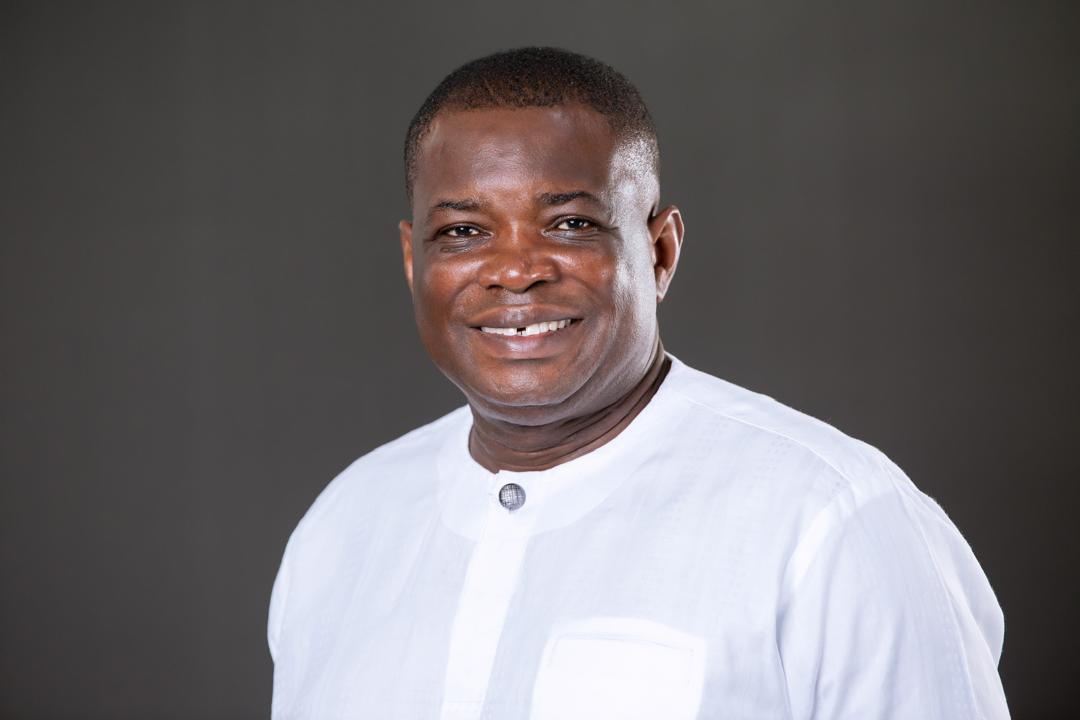
By Philip Antoh
The Minister of Roads and Highways, Governs Kwame Agbodza, has issued a direct directive to Maripoma Enterprise Limited: fast-track the Tema Motorway rehabilitation and wrap up the project by 2027 to end the severe traffic nightmare facing daily commuters.
The Minister issued the charge on Wednesday, August 19, 2026, during an inspection of government’s “Big Push” road projects in the Greater Accra Region. As a crucial artery linking the Tema Port to the rest of the country, the ongoing construction on the motorway has caused significant disruptions to traffic flow.
While acknowledging that the contractor has added about 10% more progress since his last visit, Agbodza insisted the current pace is not enough. He offered high praise for the safe, ahead-of-schedule completion of a major bridge on the stretch noting that building it without a single incident on a live, 24/7 intersection was a major feat.
However, he used this success to challenge the company to do even more.Embracing the 24-Hour Economy To meet the 2027 deadline, the Minister strongly advised Maripoma to adopt a 24-hour work schedule, specifically aligning with the President’s “24-hour economy” policy.
Agbodza proposed a strategic shift in operations: highly disruptive construction activities should be moved to the nighttime when traffic volume is significantly lower. During the day, he said, the focus should be on scaling back disruptive work and keeping dedicated lanes clear for motorists.“A project like this elsewhere will be done 24/7.
There’s no reason why you cannot work even more at night than during the day,” he stated, emphasizing the urgent need to minimize the daily suffering of the motoring public who “can’t understand why they have to go through this for that long period.
“Revealing a GH¢23 Billion Financial Clearance The Minister’s push for accelerated timelines is backed by heavy government spending. During the inspection, Agbodza revealed that the state has disbursed over GH¢23 billion to road contractors nationwide.
He clarified that most of this massive sum an amount he described as the largest single capital expenditure by the government went toward clearing inherited arrears. As an example, he cited the Ofankor project, which had an outstanding debt of GH¢78 million left by the previous administration, which has now been fully settled.
“Ghanaians Demand to See Results” With GH¢23 billion injected into the sector, Agbodza warned that the public expects tangible results. He set a clear benchmark for these investments to become visible across the country by the close of 2027.
“The Ghanaian public is demanding to see what we are spending the money on,” he told the contractors, urging them to deliver quality infrastructure that will make the nation proud and justify the government’s financial commitment.
Balancing the National Budget Addressing potential concerns about the massive outlay on roads, the Minister provided context on the broader national financial picture. He noted that the government cannot funnel all its resources into roads because it must simultaneously fund critical sectors like health and education, pay public sector salaries, and honor debt obligations including a recent GH¢10 billion payment into the DDEP program.
Despite these competing financial demands, Agbodza assured contractors and the public of the government’s fiscal responsibility.“We can’t spend all the money in the country on roads… but we are not going to default on our debt. We are going to pay,” he affirmed.