

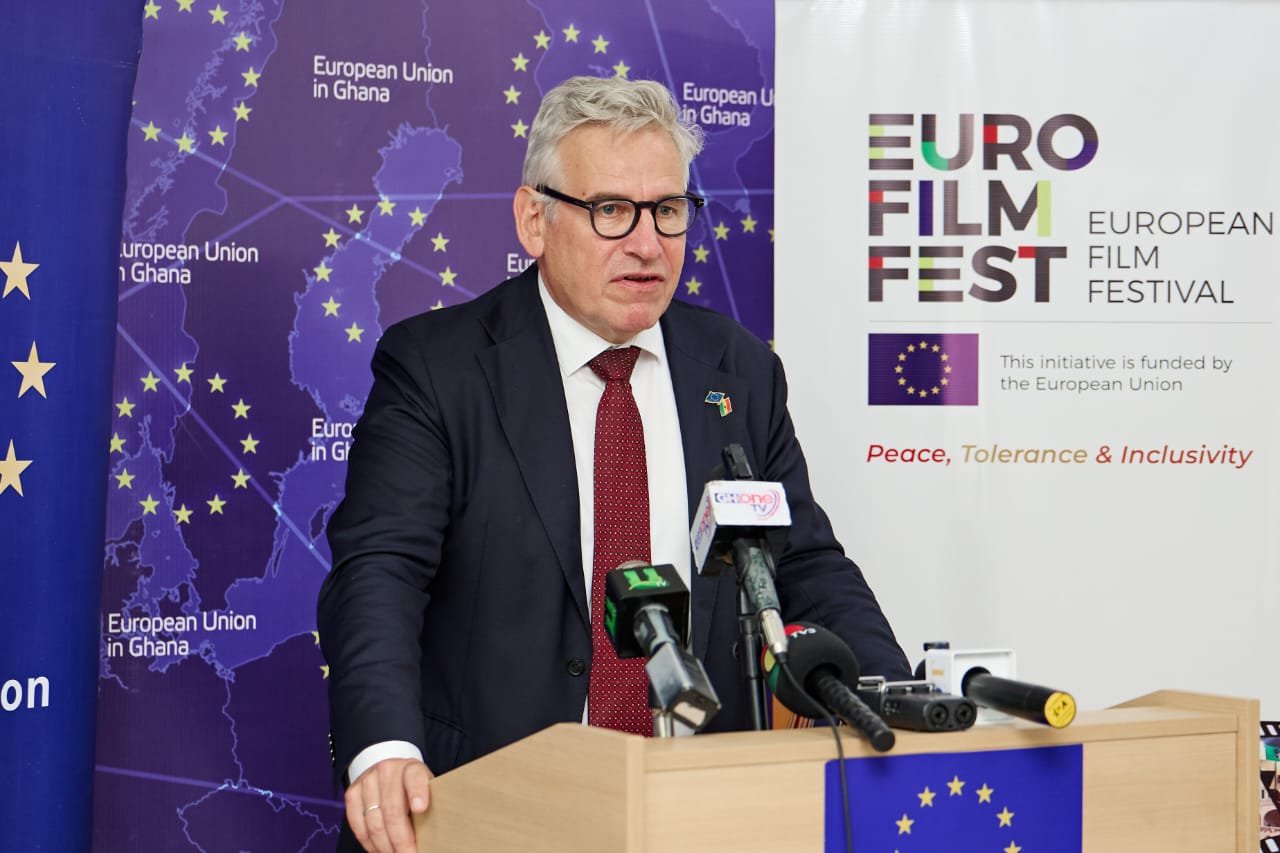
The European Union (EU) has announced the third edition of the European Film Festival in Ghana, with this year’s event scheduled to take place from October 5 to 11, 2026, in Accra.
The festival is expected to bring together European and Ghanaian filmmakers, industry professionals, policymakers and audiences for a week of film screenings, masterclasses, panel discussions and exchanges aimed at strengthening collaboration between Ghana’s creative sector and the European film industry.
Launching the festival in Accra, the EU Ambassador to Ghana, Rune Skinnebach, said the event would showcase the diversity of European cinema while providing a platform for Ghanaian filmmakers to expose their works to wider audiences.
“It is my pleasure and privilege to welcome you to the press launch of the third European Film Festival in Ghana. This 2026 edition will take place from 5 to 11 October 2026, here in Accra,” he said.
According to him, the festival would bring the best of European and Ghanaian cinema to the big screens across Accra, offering a week of storytelling and cultural exchange.
He said audiences would be treated to a curated selection of European films reflecting the continent’s diverse languages, histories and contemporary voices.
Ghanaian short films, he added, would also feature prominently, providing an opportunity for local filmmakers to demonstrate the talent, creativity and storytelling capabilities within the country’s film industry.
The festival will also feature panels and masterclasses, with participants expected to interact directly with film directors and filmmakers from Ghana and the European Union.
Ambassador Skinnebach stressed that the initiative went beyond film screenings, describing it as a platform for creating opportunities and strengthening relationships between people and societies.
“The festival is not only about passively watching film, but it is also about actively creating opportunities,” he said.
He explained that the festival formed part of the EU’s broader commitment to strengthening cultural diplomacy with Ghana and promoting dialogue between the people of Ghana and the European Union.
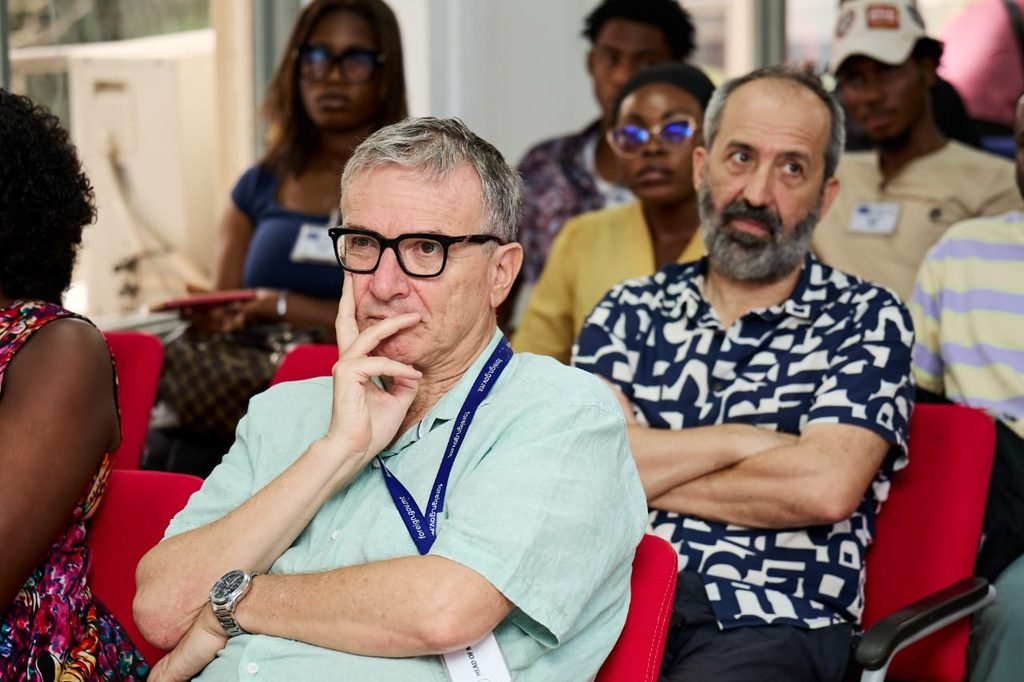
The EU Ambassador said the initiative is also intended to support Ghana’s growing creative sector, which he described as an important driver of economic growth, opportunity and social cohesion.
He acknowledged the growing influence of Ghana’s film industry, popularly referred to as Ghallywood, and said the EU wanted to play a constructive role in its development.
“The Ghanaian film industry, what some call Ghallywood, is a growing force on the continent, and we want to be a partner in that journey,” he stated.
He noted that the film festival is only one of the ways the EU is supporting Ghana’s creative industries.
Through its support for audiovisual initiatives in Sub-Saharan Africa, he said, the EU is helping to build bridges between young Ghanaian filmmakers and their European counterparts.
Such engagements, he explained, provide opportunities for filmmakers to collaborate, learn from one another and develop stories capable of transcending national borders.
The 2026 European Film Festival forms part of the wider EU-Ghana partnership and aligns with the EU-Ghana Joint Programming 2021-2027, which places emphasis on culture, heritage and creative industries as drivers of economic growth and social cohesion.
The festival also supports the EU’s objective of strengthening cultural diplomacy between Ghana and the European Union.
Its overall objective is to employ cinema as a tool for promoting peace, tolerance and inclusivity, while increasing the visibility of EU values and demonstrating the EU’s support for Ghana’s creative sector.
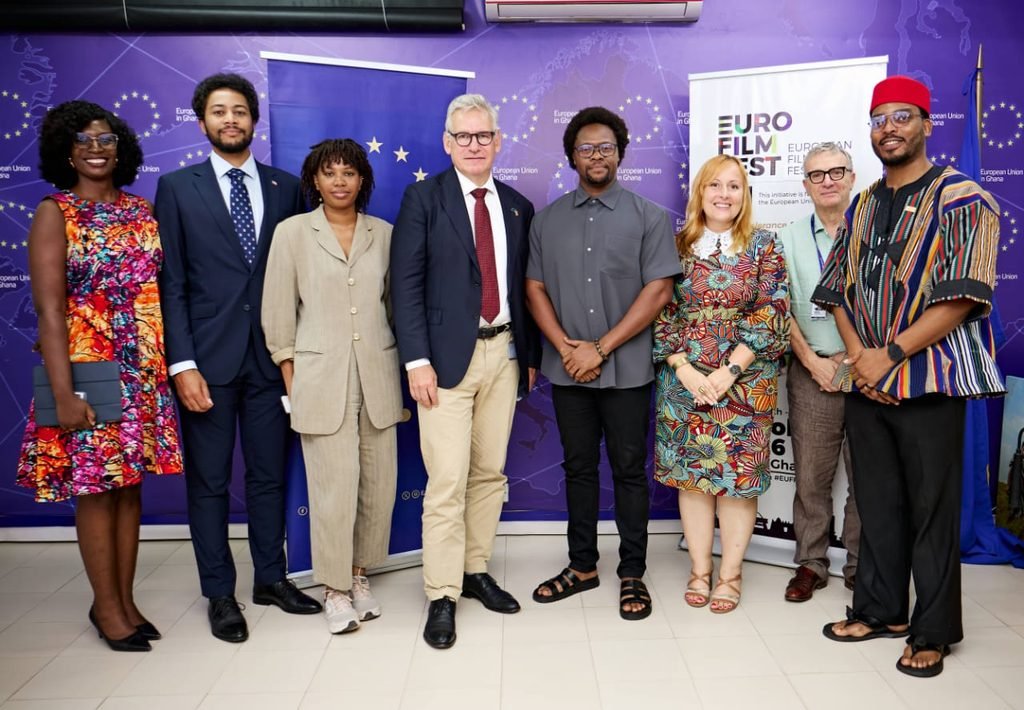
Specifically, the organisers seek to deliver a high-quality and engaging festival featuring an opening event at the EU Residence, a curated selection of European films, including productions linked to the Ghanaian diaspora, and dialogue sessions and panel discussions with filmmakers.
Workshops and discussions focusing on the film industry and the festival theme will also form part of the programme.
The EU is expected to have strong visibility as the festival’s primary sponsor.
The festival comes against the backdrop of growing interest in Ghana’s film industry and increasing demand for diverse and high-quality audiovisual content.
However, the industry continues to face several challenges, including inadequate funding and resources, weak distribution channels, limited access to international films and insufficient opportunities for young and emerging filmmakers.
There are also limited platforms for sustained dialogue between filmmakers and their audiences.
The organisers believe the festival can help bridge some of these gaps by providing opportunities for screenings, professional exchanges, industry discussions and audience engagement.
The festival is expected to attract a wide range of stakeholders, including government institutions and public authorities involved in cinema and audiovisual policy.
Private-sector players, including cinemas, distributors and creative collectives, will also be engaged.
Filmmakers, industry professionals, young creatives and members of the general public are expected to form a significant part of the festival’s audience.
The third edition of the European Film Festival is therefore expected to serve not only as a celebration of European and Ghanaian cinema but also as a platform for strengthening professional networks, encouraging creative collaboration and deepening cultural relations between Ghana and the European Union.