

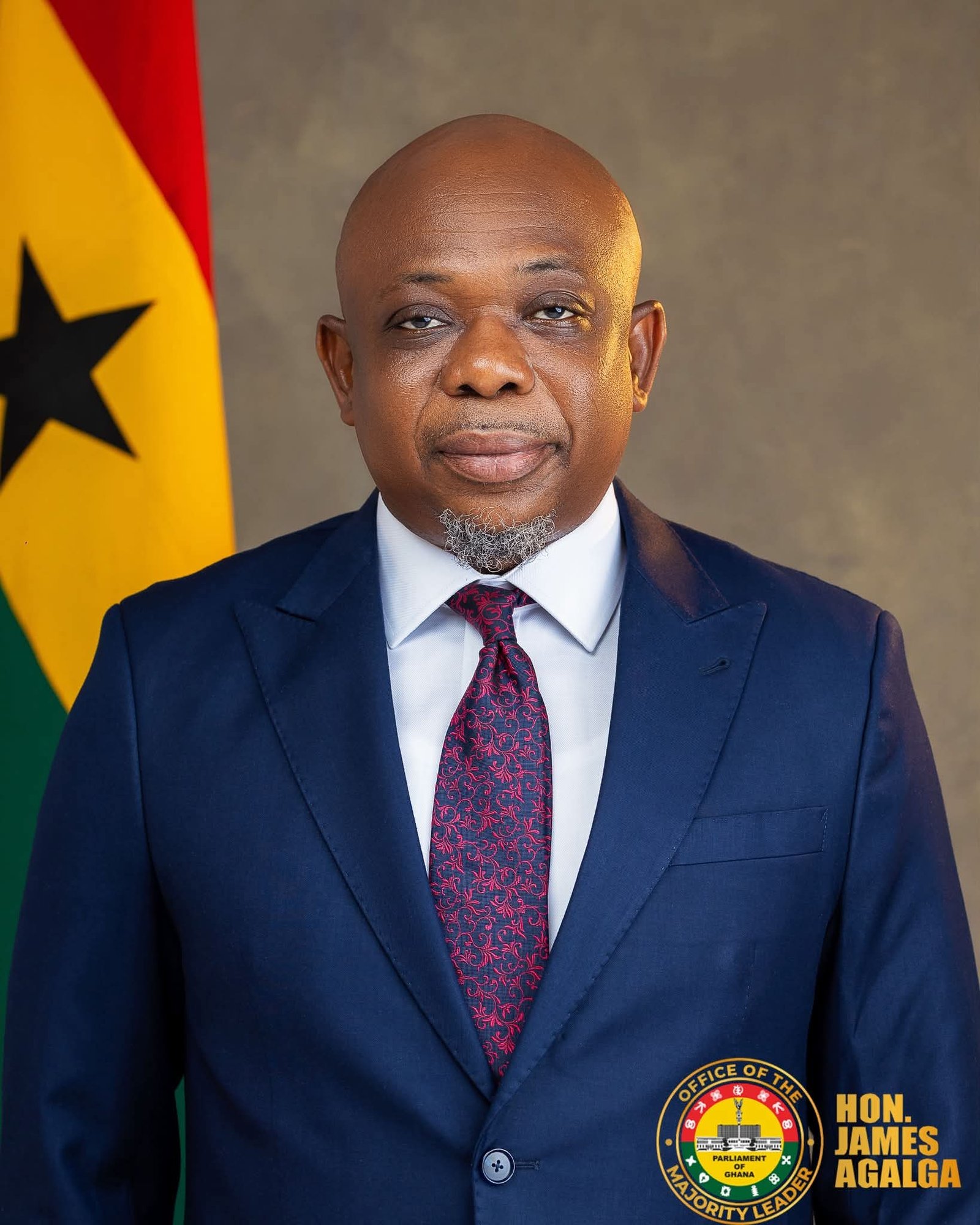
Majority Leader and Member of Parliament for Builsa North constituency, James Agalga, has returned to Ghana from the 63rd Session of the United Nations Human Rights Council in Geneva, saying the experience has left him with “renewed commitment and perspective.”
The Majority Leader led Ghana’s Parliamentary Delegation to the session, which concluded recently in the Swiss city.
The session focused broadly on Economic, Social and Cultural Rights — the rights to work, education, health, housing and a dignified life — alongside major institutional anniversaries and the contemporary challenges confronting human rights today.
Human Rights Under Pressure
In his opening address, UN High Commissioner for Human Rights Volker Türk warned that the world is living in an “age of extremes” — marked by raging wars, painful polarization, climate chaos, and head-spinning technological change.
He disclosed that there are currently more than 60 wars involving at least one State, the highest number recorded since World War II.
Economic, Social and Cultural Rights Take Centre Stage
Throughout the session, the Council reaffirmed that human rights are universal and indivisible, stressing that civil and political rights cannot be fully enjoyed without access to jobs, food security, clean water and quality education.
Agalga observed that this emphasis is particularly critical for Africa — and for his constituents in Builsa North.
Climate Change: A Human Rights Crisis
The Council’s debates also placed the climate emergency at the heart of the human rights agenda, with delegates examining its far-reaching impact on livelihoods, displacement and food security.
Technology, Disinformation and Shrinking Civic Space
Members further called for stronger safeguards against disinformation, the abuse of artificial intelligence, and the shrinking of civic space driven by social media echo chambers and rising populism.
The Role of Parliaments
Approximately 35 resolutions — covering country situations and thematic issues — were negotiated during the session. A recurring theme was the crucial role national parliaments must play in domesticating international human rights obligations into national laws.
Ghana’s Standing Affirmed
Reflecting on the session, Mr. Agalga expressed pride at having led Ghana’s delegation, noting that Ghana continues to be respected internationally as a beacon of democracy and human rights.
“We will continue to strengthen our legislative frameworks to ensure every Ghanaian enjoys their full rights,” he pledged.
The Majority Leader extended his gratitude to the Parliament of Ghana and the Ministry of Foreign Affairs for their support in facilitating the delegation’s participation.
Would you like me to adjust the tone — for example, a shorter version for social media, a more formal press release, or a simplified version for a general audience?
By Gifty Boateng