

Panic grips sector heads as French seizure exposes export screening failures
By Philip Antoh
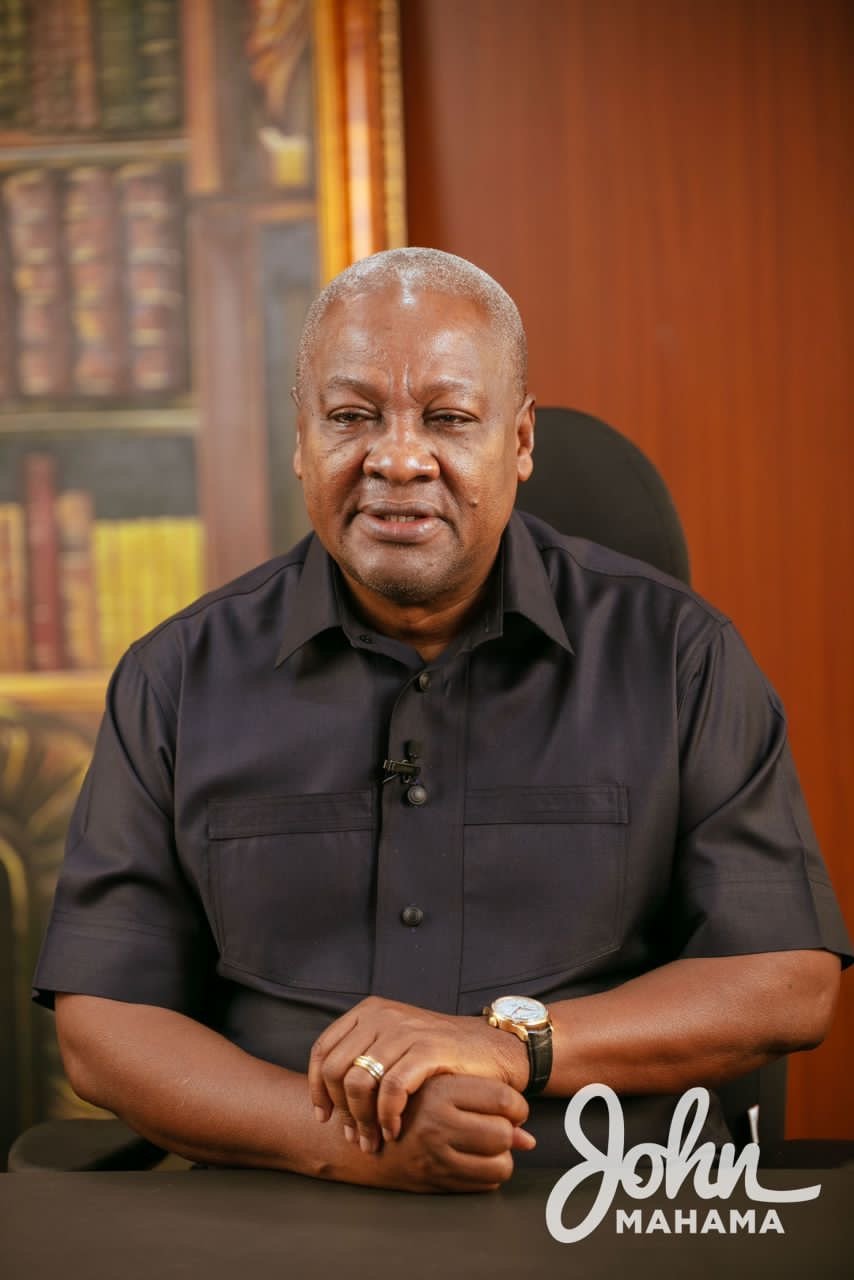
President John Dramani Mahama has summoned the heads of Ghana’s security, aviation and port agencies to Jubilee House for an emergency meeting on Thursday, 17 September.
The invitation, issued by Secretary to the President Callistus Mahama, requires each institution to bring one technical officer and to present a brief assessment of border-control weaknesses, with proposals on intelligence sharing, surveillance, screening and joint enforcement.
The trigger is the seizure by French customs of 3.9 tonnes of cocaine, valued at about $261m (€225m), concealed in a container of plastic waste shipped from Ghana.
The meeting is politically charged. The Minority in Parliament has raised alarms over recent drug busts. Rev. John Ntim Fordjour, ranking member on the Defence and Interior Committee, has publicly asked why massive seizures have not led to high-profile arrests and prosecutions.
The New Republic understands that apprehension has spread through the leadership of the affected agencies, which are now scrambling to prepare assessments before Thursday.
The guest list is broad. It includes the Ministries of Finance and Foreign Affairs, the Ghana Ports and Harbours Authority, the Customs Division of the Ghana Revenue Authority, the Ghana Shippers’ Authority, terminal scanner operators, Ghana Link Network Services and the Ghana Maritime
Authority. Security and intelligence representation includes the Ghana Navy, the National Intelligence Bureau, the Police CID and Interpol desk, and the Narcotics Control Commission. The Ghana Airports Company and Meridian Port Services are also expected.
On 7 September 2026, French customs at Dunkirk intercepted the cocaine in a container of plastic waste from Ghana. The shipment was destined in part for Antwerp, Belgium. French judicial police and the organized crime prosecutor’s office had been tracking the network. NACOC says the shipment is linked to Dutch fugitive Jos Leijdekkers, known as “Bolle Jos.” On 14 September, NACOC announced the arrest of three suspects in Ghana accused of facilitating and representing Bolle Jos’s cartel interests.
The bigger problem is structural. The New Republic understands that NACOC has no direct access to the exit points of Tema port and is not involved in scanning cargoes for shipment. Without a tip-off, the Commission cannot intercept illicit consignments.
The decision to remove NACOC from the screening stage was taken in Cabinet in 2020 under the erstwhile NPP government, officials say. NACOC has barely 1,300 personnel nationwide woefully inadequate, insiders say, for effective interdiction.
Most cargo shipments through Ghanaian ports hardly undergo comprehensive screening because of missing equipment and personnel.
The consequences are already visible. In 2024, the Global Initiative Against Transnational Organized Crime found Ghana had become a warehouse for cocaine, with many drugs moving from the Caribbean to Europe stopping in the country.
Foreign law enforcement agencies that have busted cocaine trafficking from Ghana are reluctant to cooperate with their Ghanaian counterparts, sources say, making prosecution difficult.
The Dunkirk seizure and the arrests have now forced the issue to the top of the President’s agenda. The 17 September meeting will test whether Mahama can close a gap that traffickers have exploited for years.