

By Philip Antoh
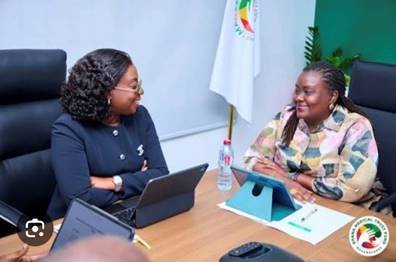
The World Health Organization (WHO) has praised the Ghana Medical Trust Fund for its first-year strides in easing the financial burden on Ghanaians battling chronic and high-cost diseases, while stressing the urgent need for sustainable financing to maintain its momentum.
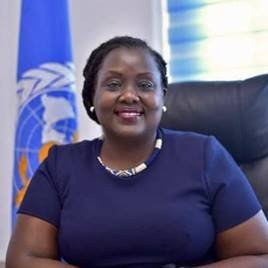
Marking the Fund’s first anniversary, WHO Country Representative to Ghana, Dr. Fiona Braka, congratulated the government and the Fund’s leadership on the significant progress.
She specifically acknowledged President John Dramani Mahama’s vision, noting that the initiative is already making a tangible difference by helping vulnerable patients access treatment without being overwhelmed by costs.
Dr. Braka noted that the Fund has brought renewed hope to citizens previously unable to afford care for severe conditions such as cancer, diabetes, chronic kidney disease, cardiovascular diseases, and stroke.
Holistic Health Investments Beyond direct patient support, the WHO Representative highlighted the Fund’s broader investments in the health system.
“This fund is not just looking at patient support, but it’s also looking at medical equipment, it’s looking at the infrastructure, it’s looking at the human resources or workforce capacities, and there’s also the aspect of research,” Dr. Braka explained.
She emphasized that strengthening specialist healthcare requires adequately trained professionals capable of managing these complex conditions.
A Seamless Healthcare Pathway
Dr. Braka also pointed out an emerging, integrated pathway within Ghana’s healthcare reforms.
Under this model, patients receive free primary healthcare at the base level, transition to the National Health Insurance Scheme (NHIS) for the next tier, and access specialized care through the Mahama CARES initiative which encompasses the Ghana Medical Trust Fund.
This defined pathway, she said, is a critical development allowing patients to move seamlessly between care levels based on their medical needs.
Citing the cardiac centre at the Korle Bu Teaching Hospital as an example of the Fund’s emerging impact, she recalled the WHO’s presence at its launch, adding, “It was a moment of pride for everyone to see that we are actually seeing it coming to bear.”
The Push for Sustainability and Expansion Looking ahead, Dr. Braka issued a strong call for institutionalizing the Fund’s financing through protected budget lines to ensure predictability and longevity.
“The sustainable component is extremely important,” she stressed, urging stakeholders to secure the Fund’s gains beyond its inaugural year.
She also advocated for expanding the Fund’s coverage to support patients beyond the initially prioritized diseases, while ensuring operations remain integrated with Ghana’s wider health reforms.
A Model for Africa and Beyond Dr. Braka expressed optimism that Ghana’s experience with the Fund could serve as a blueprint for other nations striving for universal health coverage (UHC).
She noted that effective implementation, transparent data, and evidence of reduced financial hardship will be vital in proving the mechanism’s success.
“We know that we are all working towards universal health coverage, and Ghana is leading in many ways,” she said, expressing hope that Ghana can demonstrate to the African region and the world how innovative financing can close healthcare gaps.
Reaffirming the WHO’s commitment, Dr. Braka concluded: “As WHO, we congratulate the Government of Ghana on this one-year milestone… we remain a committed partner in efforts to make the Fund sustainable and beneficial to more citizens.”