

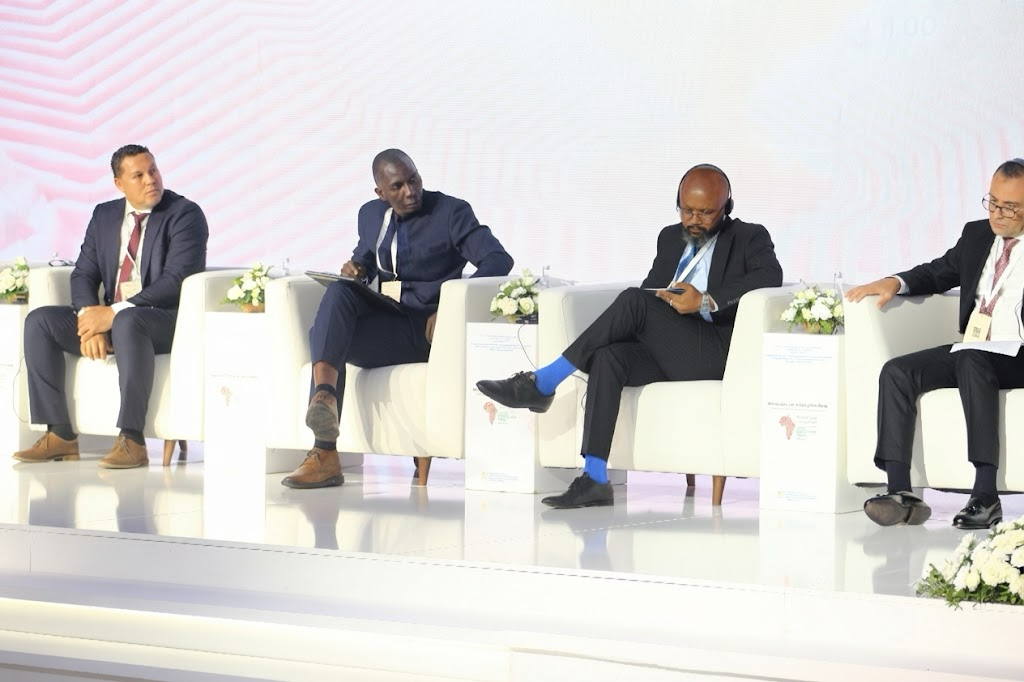
World Bank warns of escalating digital threats as Ghana champions a united African response.
By Gifty Boateng
Director-General of Ghana’s National Cybersecurity Authority (NCA), Dr Divine Selase Agbeti, has called on African countries to close ranks against cyber threats, saying the continent’s defence lies in clear laws, strong institutions and practical cooperation among national authorities.
Speaking at the opening of Morocco Cybersecurity Week 2026, Dr Agbeti, who chairs the African Network of Cybersecurity Authorities (ANCA) in Rabat, Morocco, congratulated Liberia on the recent passage of its cybersecurity regulation and welcomed the growing consensus that cybersecurity is a cross-border issue.
“For Ghana, the decision that made the biggest difference was one law, one authority, and clear responsibilities,” he said, describing the Cybersecurity Act, 2020 (Act 1038) as “a defining moment for Ghana’s cybersecurity journey.”
He paid tribute to his predecessor Ghana’s first Director-General and ANCA’s first African Chair, Dr Albert Antwi Boasiako for laying the foundation of Ghana’s journey.
Dr Agbeti said a national authority must serve as the rallying point for government, industry, academia, law enforcement and international partners, noting that clear mandates and well-defined responsibilities are a precondition for effective international cooperation.
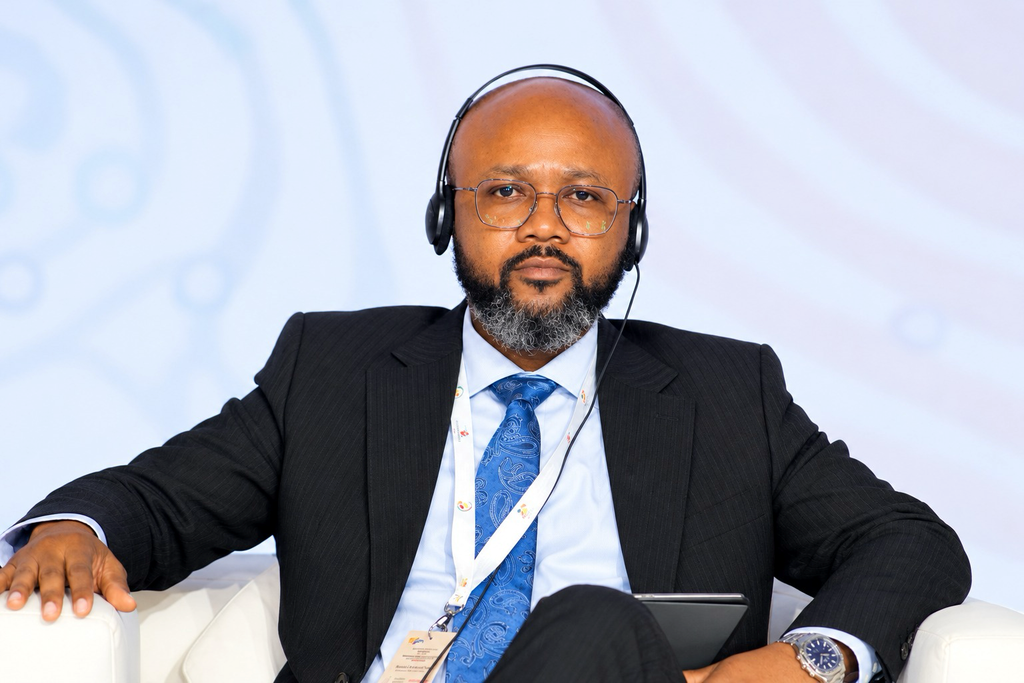
On how countries could strengthen their systems within the next 12 to 24 months, Dr Agbeti proposed an Africa-led peer support programme built on shared best practices.
He said countries with more advanced institutions should second experts to help their counterparts develop national roadmaps, identify priorities and build capacity starting with the protection of essential services.
“Countries have to start with the foundations,” he said, adding that for newer entrants such as Liberia, “we have to focus on protecting the basic essentials. In this aspect, responding to incidents is key.” He added that countries such as Cape Verde would benefit from foundational support to build investor confidence.
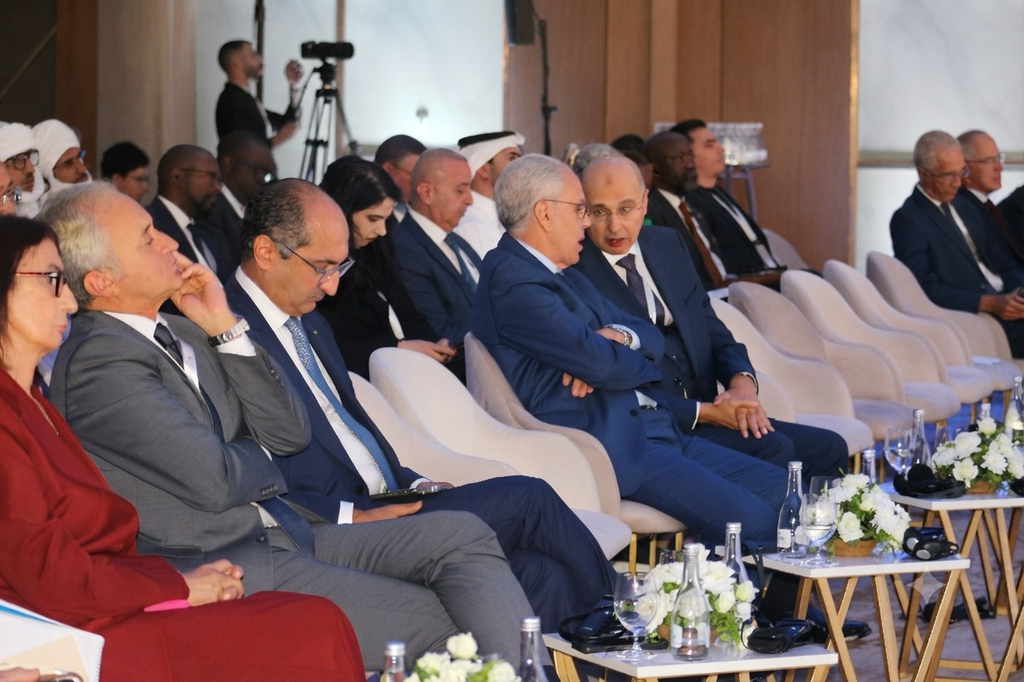
Later, addressing cybersecurity chiefs at the 8th meeting of the African Network of Cybersecurity Authorities on the sidelines of the main event, Dr Agbeti thanked the Moroccan hosts for their hospitality and leadership, the Smart Africa Secretariat for its coordination, and the network’s partners.
He also welcomed new members, saying their participation “brings fresh experience to our shared mission of building a secure and trusted digital Africa.”
“Cyber threats cross borders. Our cooperation must do the same,” he said. “Each national success offers lessons for others, and each shared challenge gives us a reason to work more closely together.”
He urged delegates to share openly what is working and where gaps remain, to advance the establishment and operationalisation of the ANCA Secretariat, and to agree clear priorities for 2027 including capacity building, resource modernisation, women in cybersecurity, and digital trust.
“Let us leave Rabat with clear decisions, shared responsibilities, and commitments we can measure,” he said, pledging as Chair to lead “an ANCA that listens to members, connects our expertise, and helps us respond together.”
Senior Digital Specialist at the World Bank, Anat Lewin, said the Bank had supported Ghana’s digital transformation through three successive rounds of financing, with cybersecurity embedded in the long-term partnership investments that have strengthened institutions, operational capability and national cyber resilience.
She said the Bank’s partnership with Smart Africa remained strong, including the joint delivery of a five-day training for African directors and directors-general, funded through the World Bank’s multi-donor cybersecurity trust fund.
Lewin warned that the challenge was substantial: artificial intelligence was linked to 55 per cent of reported cybercrime cases in African countries surveyed, with reported losses reaching $484 million in 2025.
Meanwhile, fewer than 300,000 cyber professionals serve a continental population of about 1.3 billion, and women make up an estimated 13.5 per cent of Africa’s cybersecurity workforce.
“Africa cannot meet this challenge without developing and drawing on its full talent base and that should include women,” she said.
She announced that the World Bank was broadening its focus from cybersecurity to a wider digital trust agenda encompassing data protection and responsible artificial intelligence, with discussions already under way on potential support for ANCA.
“African countries are turning national capability into collaborative continental resilience, so that Africa’s digital transformation creates opportunities that are secure, trusted and durable,” Lewin said. “And the World Bank is committed to helping you achieve this ambition.”