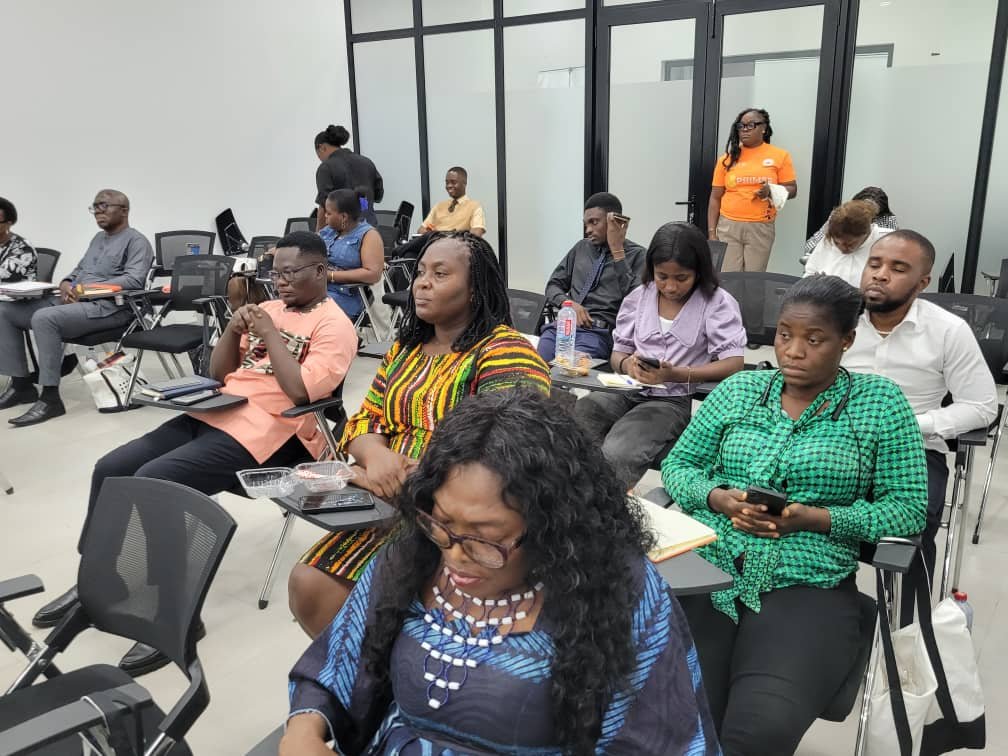
The Media and Communication Advocacy Network (MCAN), together with the United Nations Population Fund (UNFPA), has held a capacity-building workshop aimed at sharpening media coverage of reproductive health, adolescent girls’ issues and interventions against child marriage in Ghana.
The one-day training, which took place on Thursday, November 5, 2026, at the Ministry of Finance in Accra, drew journalists and implementing partners who were taken through how to better report on the experiences of communities and the impact of UNFPA-backed programmes.
Focus of the Training
Sessions centred on development journalism, human-interest storytelling and the strategic use of social media to amplify voices from communities where the interventions are being implemented.
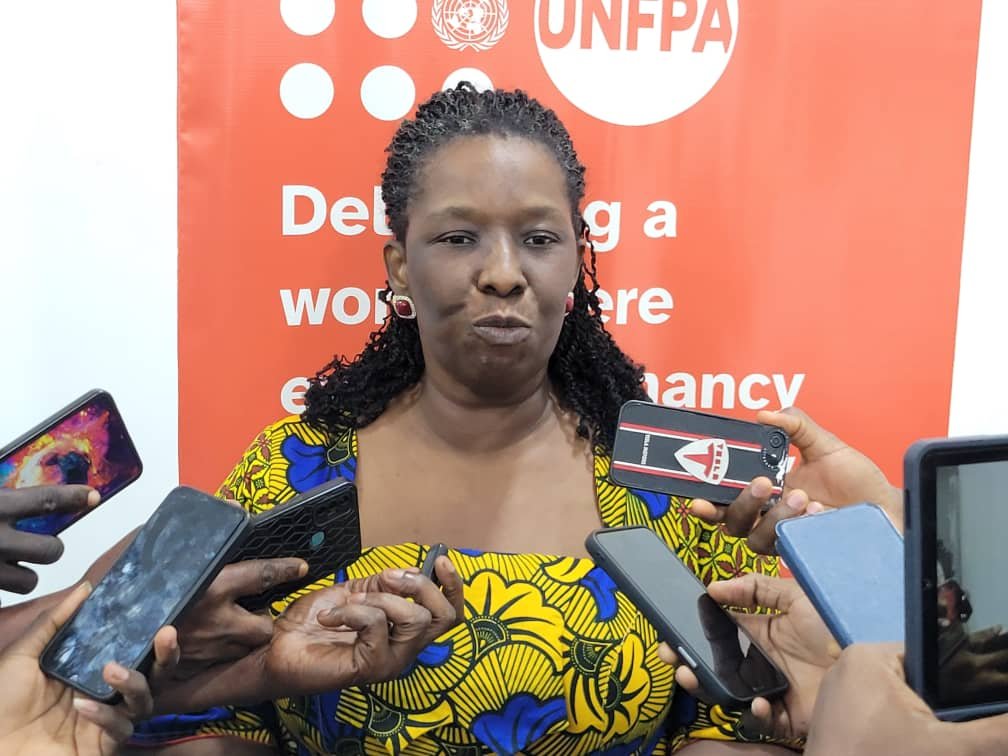
Addressing participants, Dela Bright Gle, Programme Specialist in Reproductive Health at the UNFPA Ghana Country Office, explained that the organisation’s mission rests on three priorities: ensuring that every pregnancy is wanted, every childbirth is safe, and every young person’s potential is fulfilled.
She said UNFPA works to expand access to reproductive health services, strengthen health systems and empower young people to take part meaningfully in decisions that affect their lives.
“Our mission says that we ensure that every pregnancy is wanted,” she said, stressing the importance of enabling individuals and couples to make informed choices about when to have children.
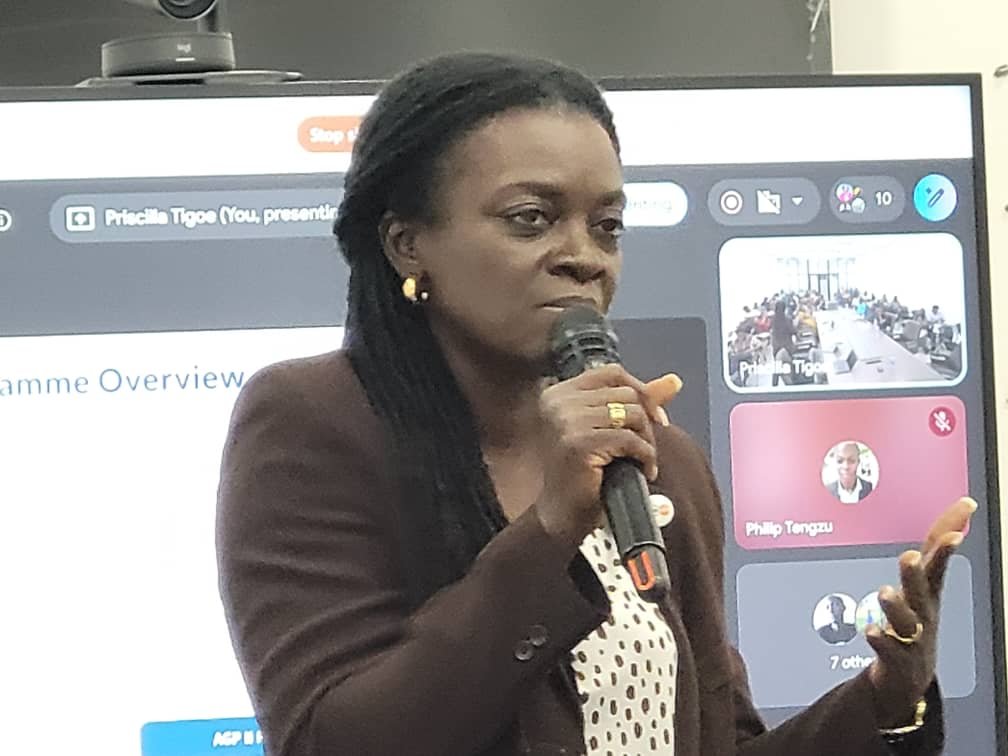
Ms Gle also pointed to UNFPA’s drive to cut maternal deaths through capacity-building in healthcare and the supply of essential medicines, including those used to manage excessive bleeding during childbirth.
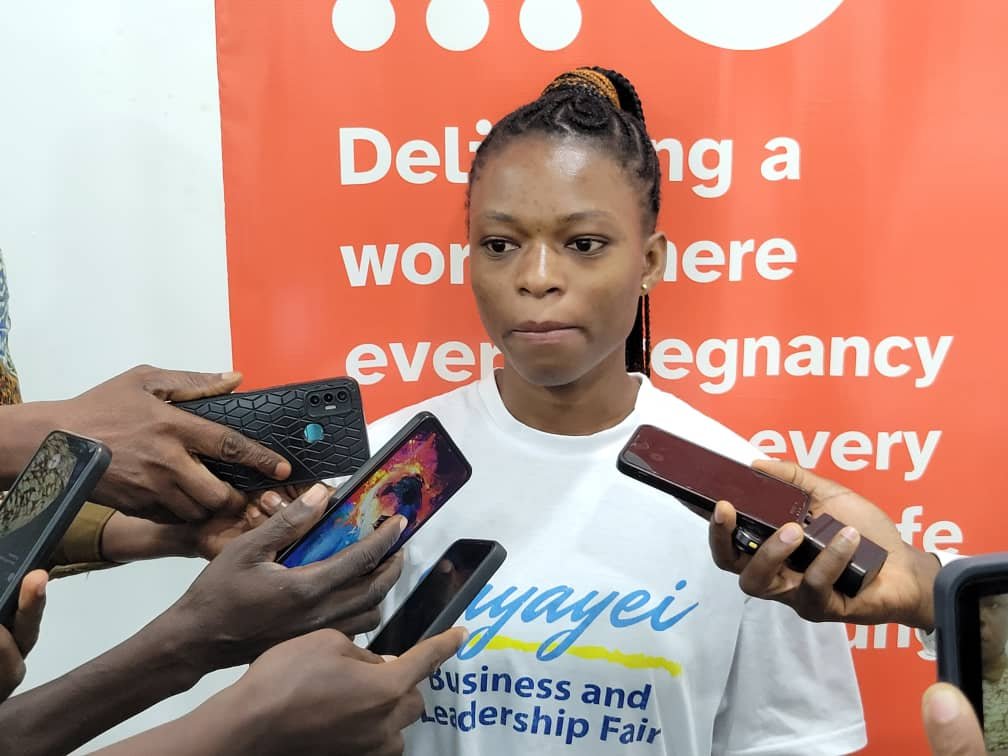
She further outlined the organisation’s three transformative results targeted for 2030: zero preventable maternal deaths, zero unmet need for family planning, and zero gender-based violence and harmful practices, including child marriage and female genital mutilation (FGM). She described unmet need for family planning as a situation where individuals want to avoid pregnancy but are not using any contraceptive method.
Voices From the Field
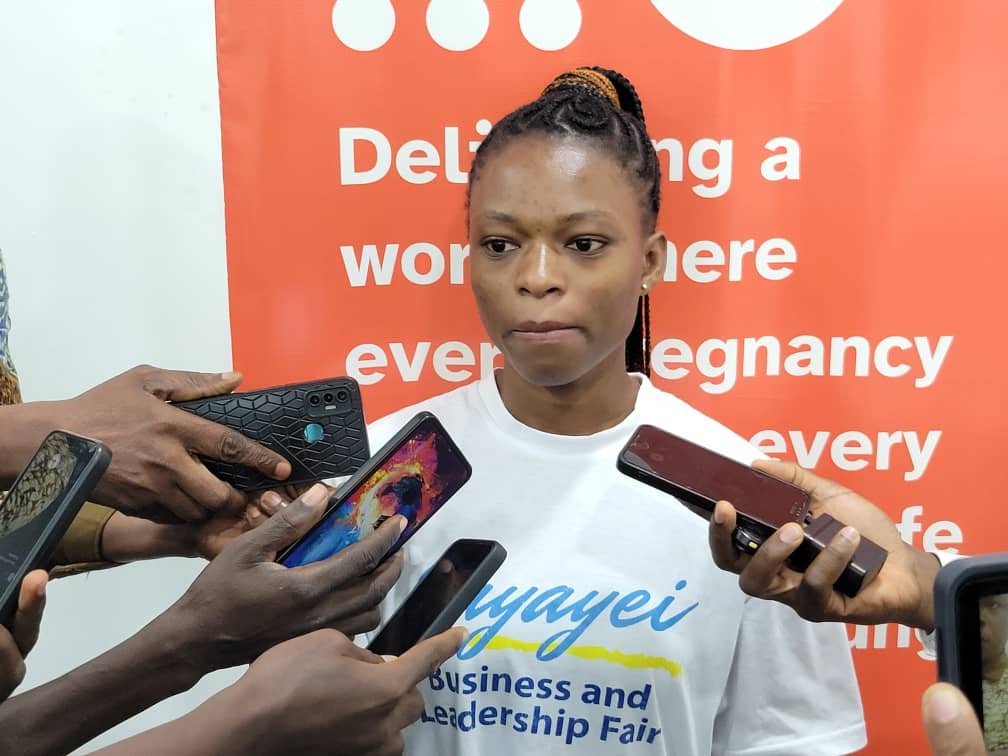
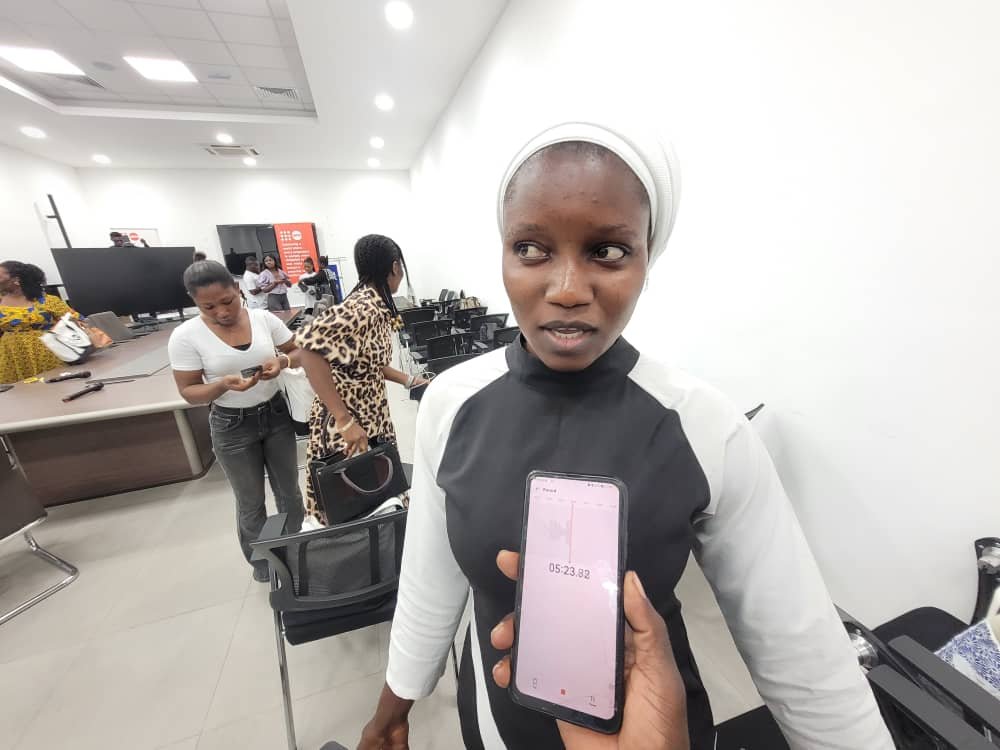
Reverend Aku Xornam Adzraku-Kevi, Executive Director of the Purim African Youth Development Platform (PAYDP), shared lessons from the organisation’s work with adolescent girls and teenage mothers dating back to 2017.
She explained that PAYDP’s interventions blend sexual and reproductive health education, community engagement, protection from sexual and gender-based violence, and livelihood empowerment.
The organisation has backed initiatives such as cassava and potato flour processing, basket weaving, animal rearing, farming and cosmetics production — with some of the cosmetics registered with the Food and Drugs Authority.
Rev. Adzraku-Kevi insisted that reproductive health education must go hand in hand with economic empowerment if girls are to become self-reliant. She also highlighted the Chief Justice Mentorship Programme, which introduces girls to the justice system while nurturing leadership skills and positive mindset change.
She disclosed that the Global Programme and Adolescent Girls Programme, together with other UNFPA interventions, had reached more than 100,000 women and girls across the Greater Accra, Ashanti, Central, Northeast and Upper East regions.
Beyond Documenting Activities
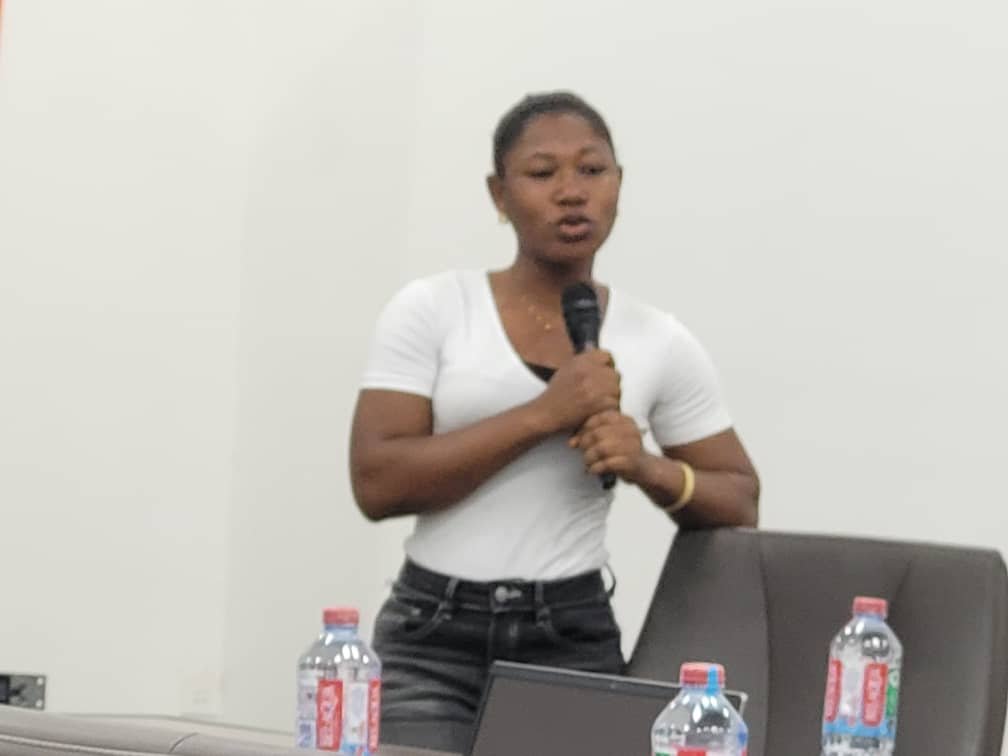
The workshop also featured practical exercises on spotting human-interest angles, interviewing beneficiaries, weaving evidence into stories and adapting development narratives for digital platforms.
MCAN President Rosemary Ardayfio said the initiative was designed to equip journalists with the skills to tell the stories of communities benefiting from development interventions.
Under the arrangement, the network is expected to collaborate with implementing partners to document human-interest stories for UNFPA’s reporting, advocacy and communication materials — ensuring that development reporting moves beyond merely recording activities to showing how interventions are changing lives.