Author: Kwesi B. Randolph Johnson (16th June 2026).

One critical gap in Ghana, a country rightfully touted as “as an oasis of peace in a desert of uneasiness” is the dirty beach in almost every single community along the country’s 550km coastal stretch. This unfortunate reality is a challenge on the country’s effort to reap benefits from the emerging blue economy and adequately addressing issues of youth unemployment and related developmental issues.
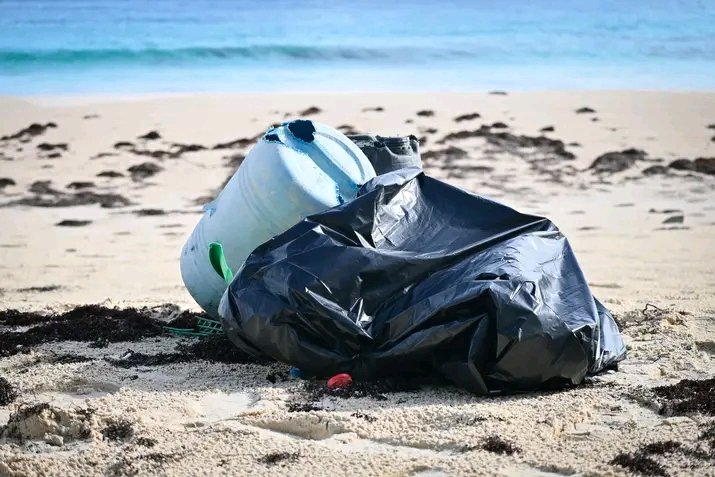
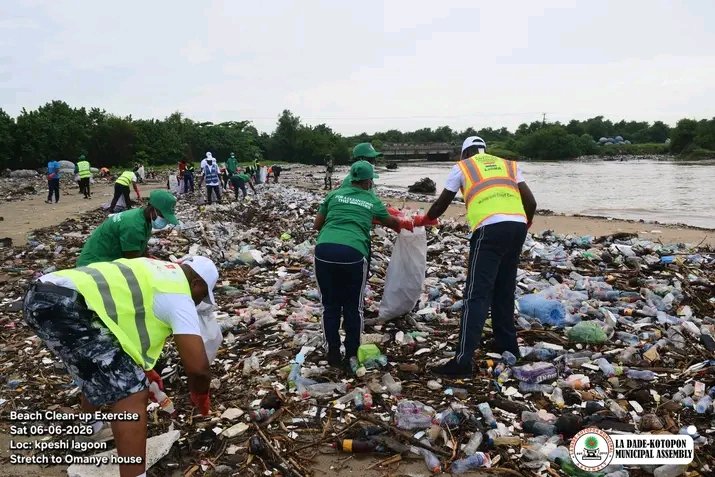
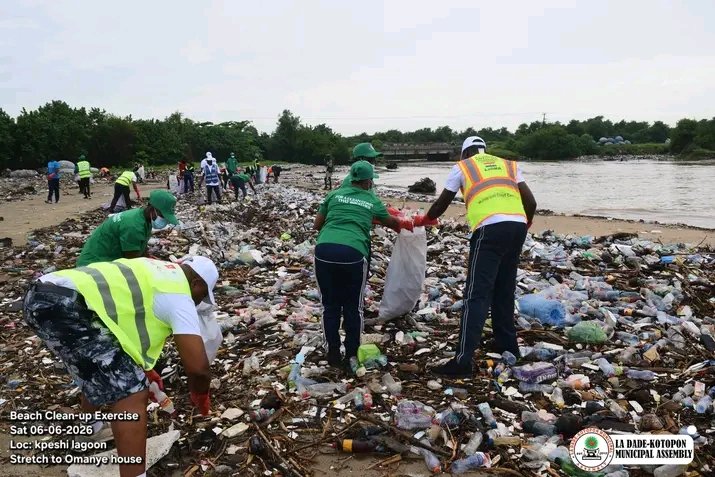
Beach sanitation remains a critical environmental and socio-economic issue in Ghana’s coastal communities. Many beaches are increasingly affected by the accumulation of plastic waste, including discarded water sachets, bottles, fishing gear, packaging materials, and other non-biodegradable litter. These materials are often washed onto the shore by tides or improperly disposed of by beach users and adjoining settlements.
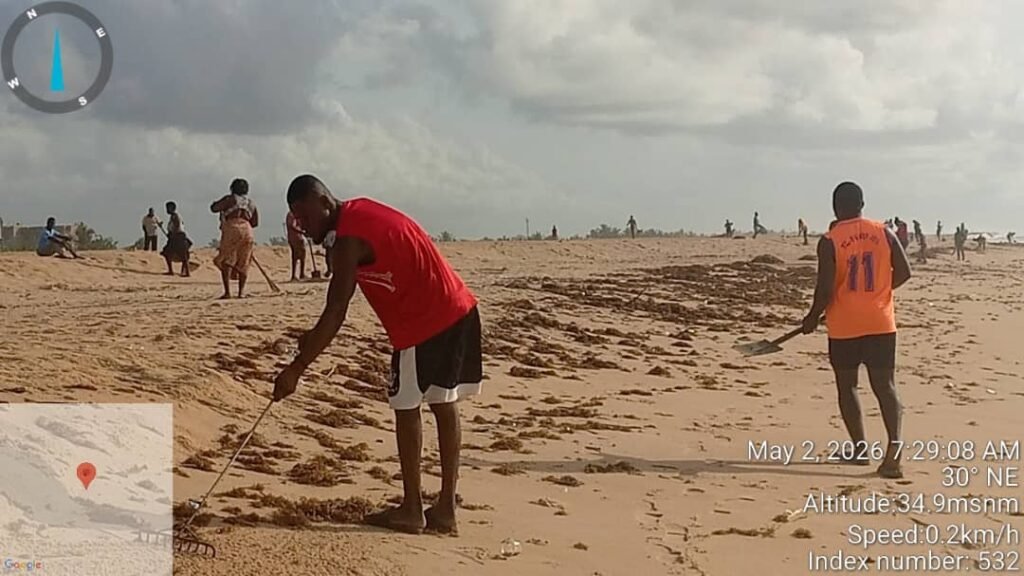
In addition to plastic pollution, large quantities of seaweed and aquatic weeds frequently accumulate along Ghana’s coastline (especially in the Western and Volta Regions).
While some of these weeds originate from the ocean, others are carried downstream by rivers and deposited into estuaries before eventually being washed onto beaches. During certain periods of the year, these accumulations can become extensive, affecting the aesthetic appeal of beaches, creating unpleasant odors as they decompose, and limiting access to landing sites used by artisanal fishers, especially in the Western and Volta Regions. This also messes up hotel beach fronts where many local work.
Poor beach sanitation has implications beyond environmental degradation. It can negatively affect public health, marine biodiversity, fisheries productivity, and the attractiveness of coastal destinations to visitors. Plastic waste poses a particular threat to marine life through entanglement and ingestion, while polluted beaches diminish opportunities for tourism-related economic activities.
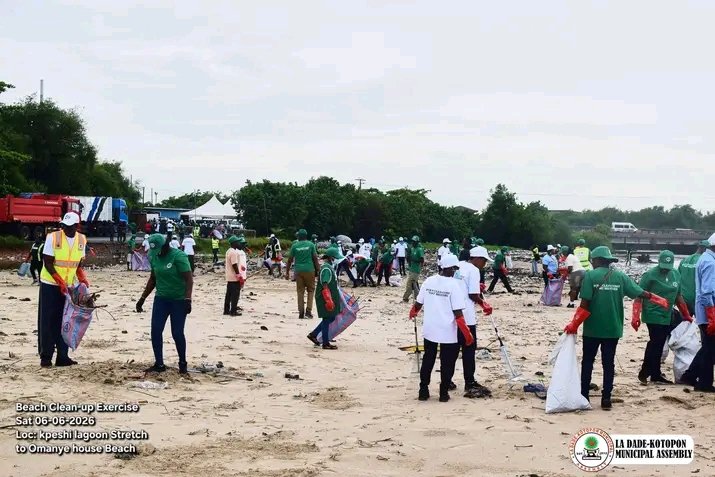
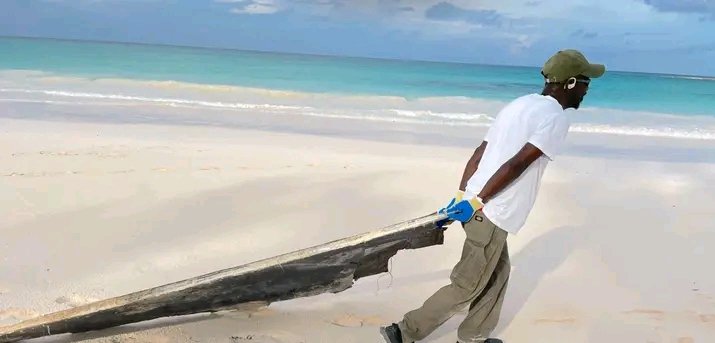
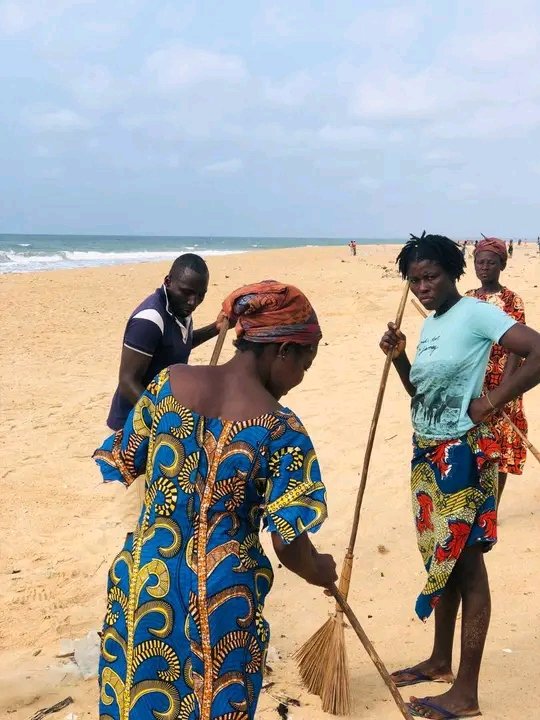
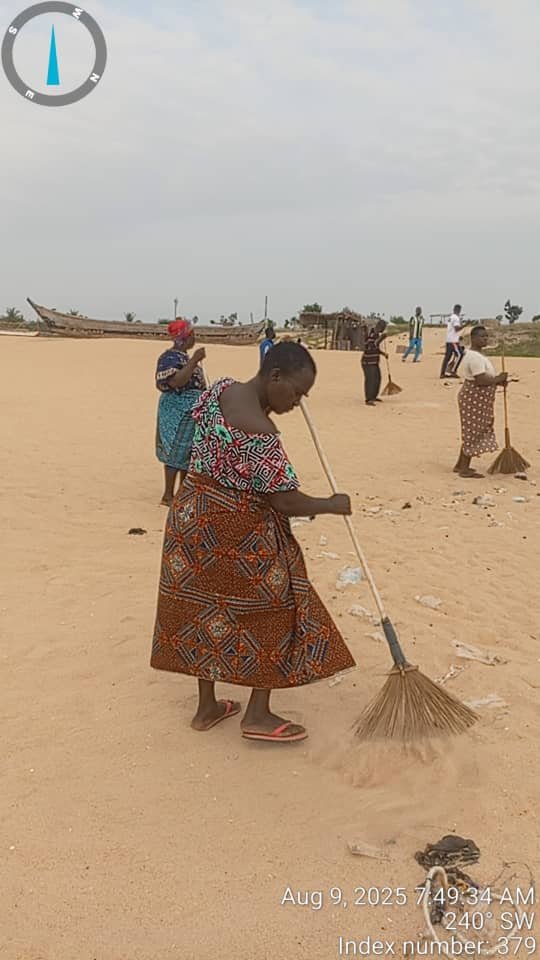
A practical and sustainable response is the organization and mobilization of coastal youth to undertake regular beach clean-up exercises. Through structured community-based initiatives, young people can play a leading role in collecting and properly disposing of plastic waste, clearing seaweed and debris from beaches, and educating community members about responsible waste management practices.
Some commendable community-led beach cleaning and sanitation can be found in Beyin in the Western; Ekumfi-Narkwa in the Central; and Dzita, Vodza and Adafienu in the Volta Regions respectively. Other sporadic ones can be found elsewhere but can do with some more regularity.
Youth-led sanitation programmes has the potential to generate multiple benefits, which include:
- improving the cleanliness and environmental quality of beaches;
- enhancing community pride and environmental stewardship;
- protecting marine ecosystems and fisheries resources;
- promoting fish hygiene and public health;
- creating opportunities for environmental education and awareness;
- strengthening community resilience to climate and environmental challenges; and
- supporting the development of ecotourism as a complementary livelihood option for fishing communities.
Clean and attractive beaches can serve as important assets for ecotourism development, attracting domestic and international visitors interested in nature, culture, and coastal experiences.
Ecotourism activities such as beach walks, bird watching, cultural festivals, canoe tours, seafood experiences, and environmental education programmes can provide supplementary income for fishers and their families, thereby reducing pressure on declining fish stocks.
By investing in regular beach sanitation and empowering youth as environmental custodians, Ghana’s coastal fishing communities can transform environmental challenges into opportunities for sustainable development, improved livelihoods, and enhanced coastal tourism potential.
Such initiatives will contribute not only to cleaner beaches but also to the long-term vision of resilient, prosperous, and environmentally sustainable coastal communities.