

By Leo Nelson
Ghana has joined the global community to observe the International Day for Street Children, with renewed calls for protection, inclusion, and dignity for vulnerable children living on the streets. The commemoration, led by the Ministry of Gender, Children and Social Protection (MoGCSP) in collaboration with Cherish a Child Foundation, was held under the 2026 theme “Protect, Not Punish.”
Observed annually on April 12, the International Day for Street Children raises awareness about the challenges faced by millions of street-connected children worldwide and promotes their rights to protection, care, and access to essential services.
The event in Ghana highlighted the need for a shift in societal and institutional responses, urging stakeholders to move away from criminalising street children and instead prioritise their welfare and reintegration into society.
Call for Compassion and Policy Shift
Delivering remarks on behalf of the Minister for Gender, Children and Social Protection, Dr. Agnes Naa Momo Lartey, the Director of the Department of Social Welfare, Dr. Prince Boamah Abrah, stressed that street children remain among the most vulnerable groups in society.
He explained that many children are pushed onto the streets due to poverty, neglect, abuse, and lack of access to basic social services. These conditions, he noted, should not be grounds for punishment but rather a call for urgent intervention and support.
“The theme calls for a fundamental shift in mindset—from criminalising vulnerability to protecting dignity, and from neglecting needs to restoring hope.”
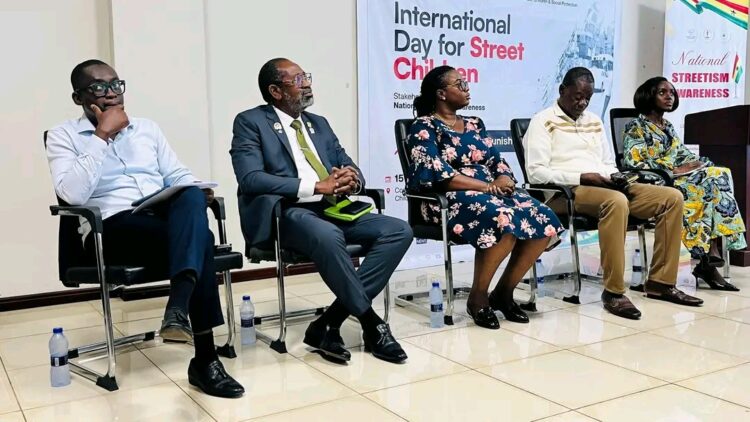
The International Day for Street Children celebration in Ghana therefore served as a platform to advocate for more humane and inclusive policies that recognise the rights and humanity of street-connected children. Dr. Abrah also highlighted government interventions such as the Livelihood Empowerment Against Poverty (LEAP) programme and the School Feeding Programme, which aim to reduce the economic pressures that drive children to the streets.
Strengthening Child Protection Systems
Speaking on behalf of the Chief Director of MoGCSP, Dr. Marian W. A. Kpakpah, Principal Programmes Officer Madam Angela Kangah emphasised the importance of building systems that respond to the needs of children rather than penalising them.
“Justice means creating systems that listen to children and respond to their needs rather than punishing them for their poverty. In doing so, we are choosing to invest in a brighter future for the entire country.”
Her remarks underscored the need for a more responsive child protection framework that prioritises access to education, healthcare, and social services. The International Day for Street Children also reinforced the importance of aligning national efforts with global standards on child rights and welfare.
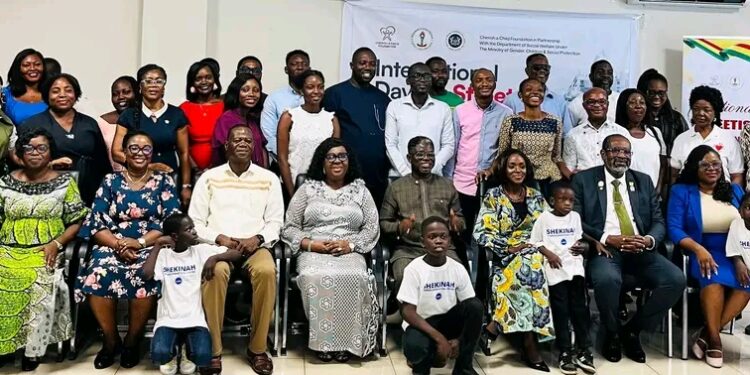
Stakeholders at the event called for increased investment in child protection systems, data collection, and targeted interventions that address the root causes of streetism in Ghana.
Stakeholders Call for Collaboration and Action
The Chief Executive Officer of Cherish a Child Foundation, Madam Salome Delali, reiterated that street children should not be treated as criminals but as individuals in need of support and rehabilitation..
“Street children are not criminals. They are victims of circumstance who need protection and support to rebuild their lives,” she said.
She further called for stronger collaboration among government agencies, civil society organisations, and development partners to effectively remove children from the streets and reintegrate them into society.
The event also featured a powerful testimony from Nicholas Mawunyo, a street-connected child who shared his daily struggles and aspirations. His story brought a human face to the issue, reinforcing the urgency of collective action.
Globally, street-connected children face significant risks including poverty, exploitation, and limited access to education and healthcare, making coordinated responses essential.
Renewed Commitment to Protect Every Child
The commemoration concluded with a strong call to action for all stakeholders to intensify efforts toward protecting vulnerable children and ensuring that no child is left behind. Participants emphasised that addressing streetism requires sustained commitment, inclusive policies, and community involvement.
The International Day for Street Children in Ghana served not only as a moment of reflection but also as a reminder of the country’s responsibility to uphold the rights and dignity of every child.
As government and partners continue to implement social protection programmes, the focus remains on creating a society where children are protected, supported, and given opportunities to thrive.
Ultimately, the message from the event was clear: shifting from punishment to protection is not just a policy choice, but a moral imperative necessary for building a more just and inclusive society.