


How the “New Force Boss’ Built, Defended, And Lost Control Of His Oxford Street Hotel
TNR Files
A High Court order has cracked open one of Accra’s most guarded commercial fortresses and the man standing at the centre is Nana Kwame Bediako, the flamboyant businessman known to Ghanaians as Chada.
The Commercial Division of the High Court’s July 21 ruling authorising police assistance for the takeover of the No. 1 Oxford Street Hotel is being described by insiders as “the first breach in the wall.”
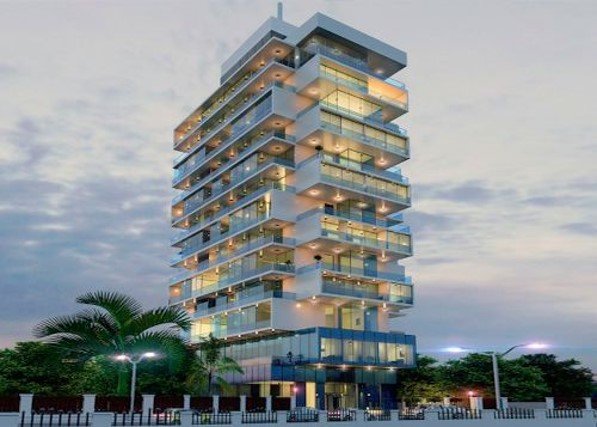
For years, the Osu landmark has been more than a hotel. It has been the flagship of a financial and political ecosystem built around Chada an ecosystem that thrives on opacity, offshore structures, and aggressive public messaging.
Justice Samuel Faraday Johnson’s order, granting UK-based Cola Holdings Limited and its Receiver, Nii Amanor Dodoo, permission to take possession, is the first time the state has been authorised to physically enter the property. And in Ghana’s commercial enforcement landscape, physical entry is often the moment when myth gives way to fact.
The No. 1 Oxford Street Hotel has long been treated as untouchable. Kensington Residential Partners 1 Limited the corporate entity fronting the property is structured in a way that obscures beneficial ownership and shields financial flows from scrutiny. Chada’s public persona as a nationalist entrepreneur has been built on the hotel’s visibility: a symbol of wealth, ambition, and political reach.
But behind the façade lies a more complex architecture:
· Offshore financing channels linked to the original facility
· Layered corporate vehicles designed to limit exposure
· A political brand that relies heavily on the perception of financial invincibility
The High Court’s ruling threatens all three.
For months, Cola Holdings and Receiver Dodoo attempted peaceful entry. Each attempt was met with resistance legal, procedural, and physical. Kensington Residential Partners opposed the application for police assistance, arguing that Cola Holdings lacked the basis to enforce its security.
The court found that Cola Holdings had properly registered its security interest at the Collateral Registry and obtained a Memorandum of No Objection the statutory prerequisite for enforcement. Under the Borrowers and Lenders Act, 2020 (Act 1052), the lender was entitled to police assistance once peaceful possession failed.
Kensington Residential Partners, the court further held, had failed to produce evidence capable of blocking enforcement. The resistance, in the end, was political theatre; the paperwork was decisive.
The Ghanaian enforcement battle is tethered to a judgment of the High Court of England and Wales a judgment Chada has tried to politically neutralise.
In January 2026, he publicly rejected liability, claiming the underlying facility was obtained from the International Finance Corporation (IFC) and that he had appealed the Ghanaian High Court’s registration of the foreign judgment.
But the latest ruling sidesteps all of that. It deals only with possession and possession is the battlefield where commercial disputes are often won.
Once the Receiver enters with police backing, appellate victories become symbolic rather than practical. The legal fight may continue, but the asset has already changed hands.
Sources close to the matter say Chada’s resistance was never just about the hotel. The Oxford Street property is the anchor of a broader ecosystem:
· Political ambitions that rely on projecting financial strength
· Offshore entities whose roles remain unclear
· A financing structure that may not withstand forensic scrutiny
· A public narrative built on nationalist entrepreneurship and anti-foreign rhetoric
A police-assisted takeover threatens to expose the real beneficiaries of Kensington Residential Partners, the true nature of the facility at the heart of the dispute, and the flow of funds between Ghana, offshore jurisdictions, and the IFC-linked transaction.
For a man whose political messaging depends on the myth of self-made wealth, such exposure could be damaging.
Cola Holdings and the Receiver are represented by Tsatsu Tsikata and Tata Kosi Foliba. Kensington Residential Partners relies on Bobby Banson and Isaac Akerefie-Mensah.
The presence of Tsikata a legal heavyweight with deep ties to the National Democratic Congress signals that Cola Holdings is treating the matter as a high-stakes enforcement, not a routine commercial dispute. The political dimensions of the case are impossible to ignore.
The High Court’s order does not determine the merits of pending appeals or other proceedings. But it does something more consequential.
It authorises state-backed physical entry into the property, shifts the dispute from legal argument to enforcement logistics, forces Chada’s network into a defensive posture, and opens the door to forensic scrutiny of the hotel’s financial architecture.
In Ghana’s commercial courts, once possession shifts, the terrain changes permanently. The legal battle may continue, but the practical reality is that the asset is no longer under the control of its previous owners.
With the Oxford Street fortress breached, Accra’s business and political circles are asking a blunt question: Was Chada defending a legitimate commercial position or protecting a financial structure that cannot survive daylight?
The coming weeks will reveal whether the Oxford Street takeover is merely a commercial enforcement or the beginning of a deeper unraveling of one of Ghana’s most carefully curated business empires.
For now, one thing is certain: the doors of No. 1 Oxford Street are about to open. And what emerges from behind them will determine whether Chada’s empire survives the light.