

By Prince Ahenkorah
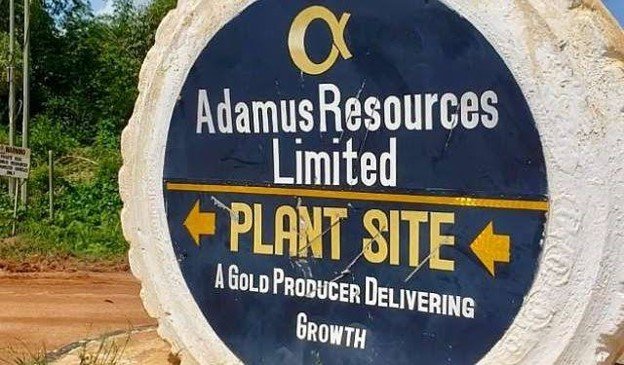
The Ghana Chamber of Mines has launched a fact-finding mission over the revocation of Adamus Resources’ Akango, Salman and Nkroful mining leases, signalling industry unease about due process even as it stops short of criticising the government.
The Chamber said it was engaging the company and regulators “to obtain a full understanding of the circumstances, findings and processes underlying the decision” before commenting further.
The statement, issued after Lands Minister Emmanuel Armah-Kofi Buah upheld the revocation on August 10 following a ministerial review, acknowledged the government’s enforcement mandate but stressed that “adherence to the rule of law, due process, fairness and regulatory certainty remained fundamental to maintaining confidence” in the sector.
The revocation, initially announced in April 2026, followed Minerals Commission investigations into alleged violations of the Minerals and Mining Act (Act 703). The company was accused of subleasing concessions to foreign nationals without approval, mining outside permitted areas, and failing to secure environmental and forestry approvals.
The review committee also uncovered US$2.56 million in unpaid mineral rights fees, GH¢86.8 million in outstanding royalties, GH¢290.5 million in tax arrears, and unexplained variances in gold exports.
But the government’s handling has drawn scrutiny. The Ministry admitted Adamus was given “no any notice at all” before the revocation, despite Section 68(2) of Act 703 requiring at least 120 days’ notice to remedy alleged breaches. A Ministry spokesperson defended the move, arguing the provision could not apply where breaches “could not be corrected”. Adamus has rejected the allegations as “manufactured and contrived”.
The Chamber’s cautious intervention reflects broader anxiety. CEO Kenneth Ashigbey warned in May that lease uncertainty “will destroy the security of tenure that is essential to the development and sustenance of the mining industry”. With the sector already jittery over the Gold Fields lease renewal saga, the Adamus case threatens to compound investor wariness.
The Chamber said it was mindful of the decision’s implications for workers, contractors, host communities and “legitimate investments”. It urged all parties to pursue outstanding matters through “appropriate legal and institutional channels” and reaffirmed its commitment to “constructive dialogue” with government.
For now, the Chamber is playing diplomat seeking clarity without picking sides. But its carefully worded statement leaves little doubt about the stakes: due process, or the perception of its absence, could prove costly for Ghana’s mining investment climate.