

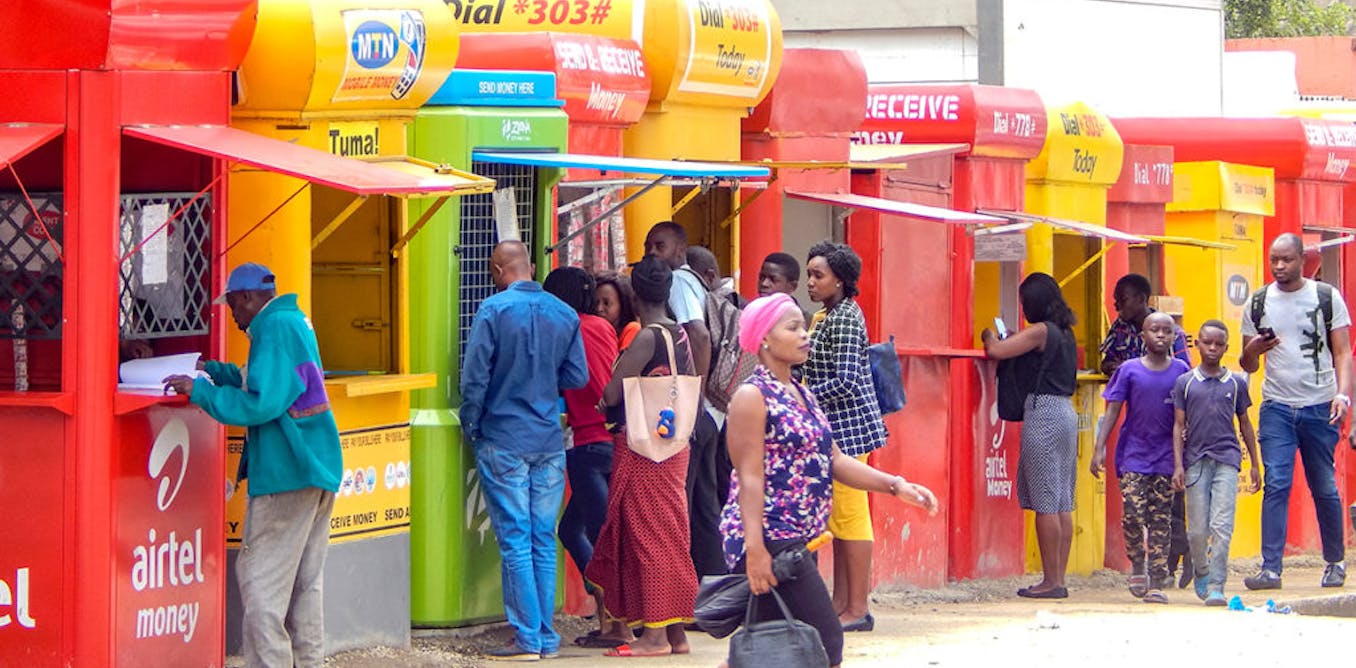
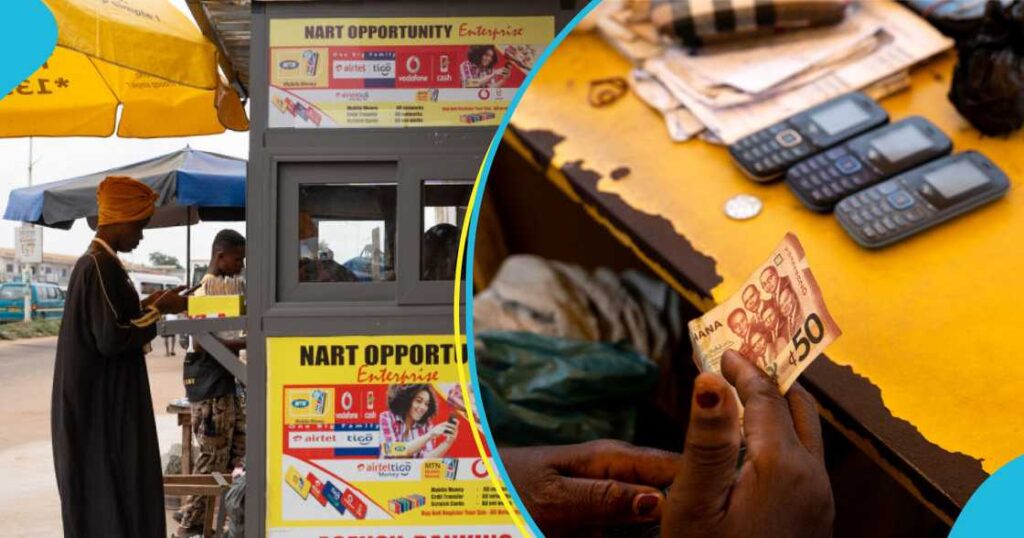
In the early 2000s millions of Africans who never had landlines went straight to mobile phones. In the 2010s just as many passed up bank accounts for mobile-money wallets.
These days, more than half the world’s mobile-money users are in Africa. Now, the African fintechs whose technologies helped drive the trend are looking for new ways to serve these customers, and make money from them in the process.
Lately they have focused on making it easier to move money into, out of and around African countries. Demand for international payments is increasing, both from businesses and from the continent’s increasingly wealthy diaspora. Africa’s traditional banking system remains clunky, opening space for alternatives.
Much of the $47bn in annual revenue that McKinsey, a consultancy, expects African fintechs to rake in by 2028 is likely to come from such products.
Sending money abroad through a traditional bank is slow and expensive everywhere. But for Africans it can be especially annoying, as most international transfers require converting money into dollars at appalling exchange rates, doing mounds of paperwork, paying multiple sets of fees and contending with the verification rules of different banks.
Driving across borders along bumpy roads with a suitcase full of cash can be quicker than a bank transfer.
Strict banking regulation has long made it difficult to offer alternatives. But fintechs are finding ways. The biggest have registered offices and licences in multiple African countries, allowing them to bypass banks when mediating transactions.
Wave, of Senegal, provides payments across Francophone west Africa. Nigeria’s Flutterwave serves more than half the continent. Others use stablecoins, dollar-pegged cryptocurrencies, to avoid exchange-rate losses.
Grey Finance, an American company, uses this tech to allow remote workers in Africa to be paid in multiple currencies. Partnerships with banks or telecoms firms are common, too.
Users of MTN, a mobile-network operator, can make instant cross-border payments using mobile money thanks to a collaboration with Onafriq, a South African fintech.
All this has made it less pricey, but not cheap, to send money to African countries. Between 2015 and 2025 the average cost fell from 8% of the transaction value to just under 6%.
Fintechs are increasingly targeting members of Africa’s relatively wealthy diaspora, offering a growing number of services to send money home, buy property on the continent or even pay for souvenirs while on holiday in Africa. Demand is likely to increase.
The share of Africa’s GDP made up by remittances, currently at 3.5%, is growing.
Still, there is a long way to go. Poor internet penetration in many countries is hampering uptake. So is regulation. Governments often withhold licences or invent new taxes to target the nascent sector.
A new regional payments-settlement system was supposed to ease pan-African transactions, but slow and patchy implementation means it could amount “to nothing”, says Daré Okoudjou, the boss of Onafriq. Getting money in and out of Africa is becoming easier. But, It will be a long time before it is truly seamless.
Source: The Economist