

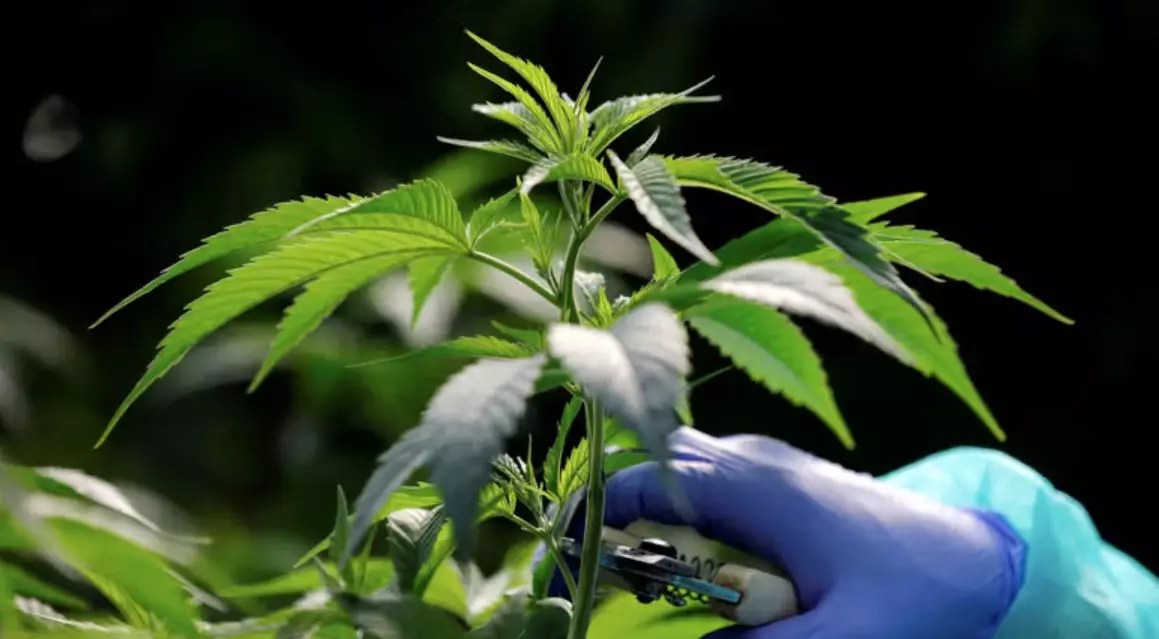
Ghana is preparing to solidify its position as the primary gateway for industrial hemp investment in Africa with the upcoming 6th Annual HempTech Conference. Scheduled for June 19 – 20, 2026, the event serves as a sophisticated technical and diplomatic hub, bringing together a global cohort of investors, policymakers, and innovators.
This year’s summit is a calculated move to align Ghana’s emerging agricultural reforms with the vast capital and expertise of the African diaspora, focusing on industrial hemp.
The government and private organizers are targeting a value chain that encompasses everything from green construction materials to advanced biofuel and carbon-sequestering “green energy” solutions. According to organizers, the conference arrives at a pivotal moment in Ghana’s administrative history.
Following the passage of the Narcotics Control Commission (Amendment) Act, 2023 (Act 1100) and the subsequent operationalization of the Cannabis Regulatory Programme, the country has established a regulatory floor for the cultivation and processing of low-THC industrial hemp.
The HempTech Conference functions as the industrial interface for this new framework, providing a structured environment where international players can navigate the complexities of licensing, seed variety registration, and export compliance.
“The event will be Africa’s longest-running hemp-focused conference. It will focus on agricultural transformation, value addition, digital innovation, and diaspora engagement. The summit will serve as a platform for economic empowerment, ownership, and long-term wealth creation for people of African descent worldwide.”
A defining feature of the 2026 summit is its deliberate symbolic alignment with Juneteenth. By beginning the conference on June 19 – the day commemorating the end of slavery in Texas – the organisers are framing agribusiness ownership as a form of “economic emancipation” for people of African descent.
This builds on the momentum of the “Year of Return” (2019), evolving the relationship with the diaspora from cultural tourism toward hard-asset investment. The summit is expected to facilitate long-term wealth creation by allowing diaspora leaders to own a stake in the infrastructure of Ghana’s future food and material systems.
The participation of Scheril Murray Powell, a prominent international cannabis attorney and President of the Ethiopian World Federation, underscores this transatlantic connection. Powell’s role as a Special Representative to the African Diaspora by the Crown Council of Ethiopia highlights the pan-African nature of the hemp movement.
Her legal expertise will be critical for participants navigating the legalities pillar of the conference theme, ensuring that international investments are protected within Ghana’s evolving judicial and regulatory landscape.
Beyond the policy discussions, the conference will dive deep into the industrial applications of hemp, with the presence of Hiwot Schulte, a German-Ethiopian expert in hemp concrete, signaling a shift toward sustainable construction in West Africa.
Hempcrete – a bio-composite material that is carbon-negative, fire-resistant, and highly insulative – offers a technological solution to the region’s housing and infrastructure needs, and showcasing these advanced materials will position hemp not just as a crop but as a disruptive technology that can transform the construction and energy sectors.
Organizers noted that the technical lineup also includes Marcus Taylor, a US-based master grower, and Ras Aswad Nkrabea, who will provide insights into the mechanics of large-scale cultivation and farming infrastructure. These experts are essential for establishing the Standard Operating Procedures (SOPs) necessary to maintain the strictly mandated 0.3% THC limit.
For the industry to thrive as a legitimate export sector, Ghanaian farmers must adhere to rigorous ISO-accredited testing and quality control protocols. The summit provides the masterclasses needed to transfer this technical “know-how to local agripreneurs.”
The involvement of the United States Department of Agriculture (USDA) and the US Embassy reflects the growing international interest in Ghana’s hemp potential. However, perhaps the most significant diplomatic presence is that of the Embassy of the Netherlands.
This participation follows a period of renewed agricultural cooperation between the two nations, particularly in the areas of seed variety development and horticultural technology. The Dutch greenhouse model and their expertise in seed registration are vital for a sector that requires standardized, high-yield varieties that are compliant with international narcotics treaties.
While the conference celebrates progress, it also provides a necessary platform for advocacy. Stakeholders, including the organizers who have engaged with the Narcotics Control Commission (NACOC) for over five years, continue to call for more accessible and transparent regulations.
The “private opportunity” offered at the summit allows serious investors to discuss the ongoing judicial review of licensing frameworks with representatives from the Ministry of Interior and the Diaspora Affairs Office of the President.
According to the organizers, this high-level access is what differentiates HempTech from a traditional trade show; it is a policy-forming body that helps shape the “rules of the game” for the entire region.
The 6th Annual HempTech Conference stands as a testament to Ghana’s industrial maturity and its ability to lead in emerging agricultural sectors, combining historical symbolism with hard-line technical expertise, to create a unique investment corridor for the African diaspora.
As participants gather in Accra this June, Ghana’s focus will be on transforming legal reforms into tangible economic outcomes.