

By Leo Nelson
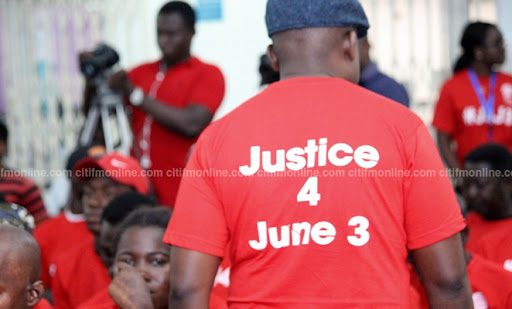
Survivors and families affected by the June 3 flood and fire disaster have renewed calls for justice, accountability, and compensation as Ghana marks 11 years since one of its deadliest national tragedies.
In a statement issued on June 3, 2026, the victims and campaigners said they remain frustrated by what they describe as a lack of closure despite years of legal and public engagement. The disaster, which occurred at the Kwame Nkrumah Circle in Accra, claimed more than 150 lives and left about 200 people injured.
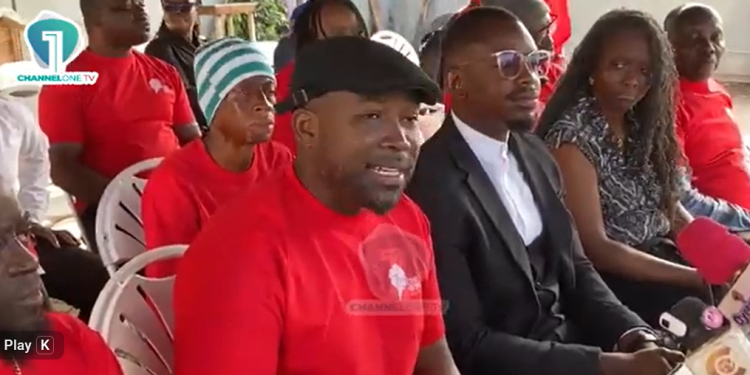
The statement, signed by campaigner Senyo Hosi, said the passage of time has not reduced the pain carried by survivors and bereaved families.
“We gather here today, 11 years after fire, flood, and fuel took the lives of more than 150 people and injured about 200 others. The question that has haunted this nation for over a decade still hangs in the air: Where is justice?”
According to the group, many survivors continue to struggle with emotional trauma, physical injuries, and economic hardship resulting from the disaster. Some families lost loved ones, while others lost their livelihoods and property in the incident.
Background to the Disaster
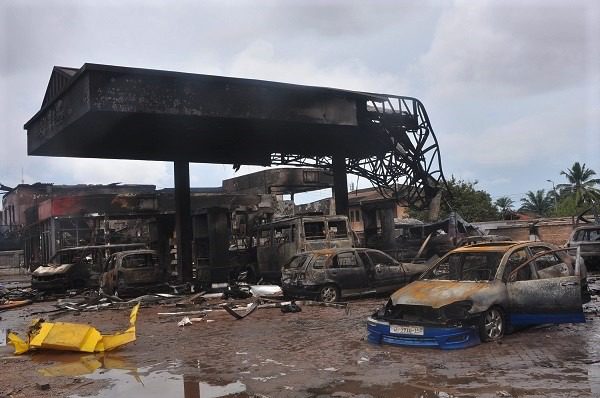
The June 3 disaster occurred on June 3, 2015, after hours of heavy rainfall triggered severe flooding across parts of Accra. As floodwaters rose, many people reportedly took shelter at the GOIL filling station near the Kwame Nkrumah Interchange. A fuel leak later ignited, leading to a massive explosion and fire that killed scores and injured many others.
The incident remains one of the most devastating urban disasters in Ghana’s recent history, raising long standing concerns about drainage systems, urban planning, and public safety enforcement in the capital.
The victims recalled that in 2018, 69 affected persons filed a class action lawsuit against GOIL, the National Petroleum Authority, the Accra Metropolitan Assembly, and other parties, seeking compensation and accountability.
They said the legal action was intended not only to secure compensation but also to establish responsibility for failures they believe contributed to the disaster.
According to the group, evidence presented in court has pointed to regulatory and planning shortcomings that could have prevented the tragedy if properly addressed.
“The disaster of June 3 was needless. It could have been prevented if those entrusted with responsibilities had effectively carried out their duties,” the statement said.
The victims also expressed concern about prolonged delays in the judicial process, saying affected families continue to wait for a final determination and possible compensation. “Eleven years on, victims are still waiting. Court proceedings continue and the silence surrounding accountability also continues,” the statement noted.
Renewed Calls for State Action
While acknowledging recent efforts by authorities to improve flood management in Accra, the victims insisted that infrastructure improvements alone are not sufficient without justice for those affected.
They cited ongoing decongestion exercises by the Accra Metropolitan Assembly to remove structures on waterways and efforts to prevent illegal developments along flood prone areas. However, they maintained that these interventions do not replace accountability for past failures.
Following the disaster, a government appointed committee recommended measures including improved drainage systems, regular dredging of the Odaw River, stricter enforcement of planning regulations, and enhanced emergency response mechanisms.
Although some reforms have been implemented over the years, survivors argue that the core issue of accountability remains unresolved. The victims have therefore called on government and relevant institutions to expedite action on the long standing legal process and ensure justice for those affected.
For many families, the 11th anniversary was not only a moment of remembrance but also a renewed demand for accountability. As Ghana reflects on the June 3 disaster, survivors say they will continue to press for justice until they receive answers and closure for the lives lost and the suffering endured.