

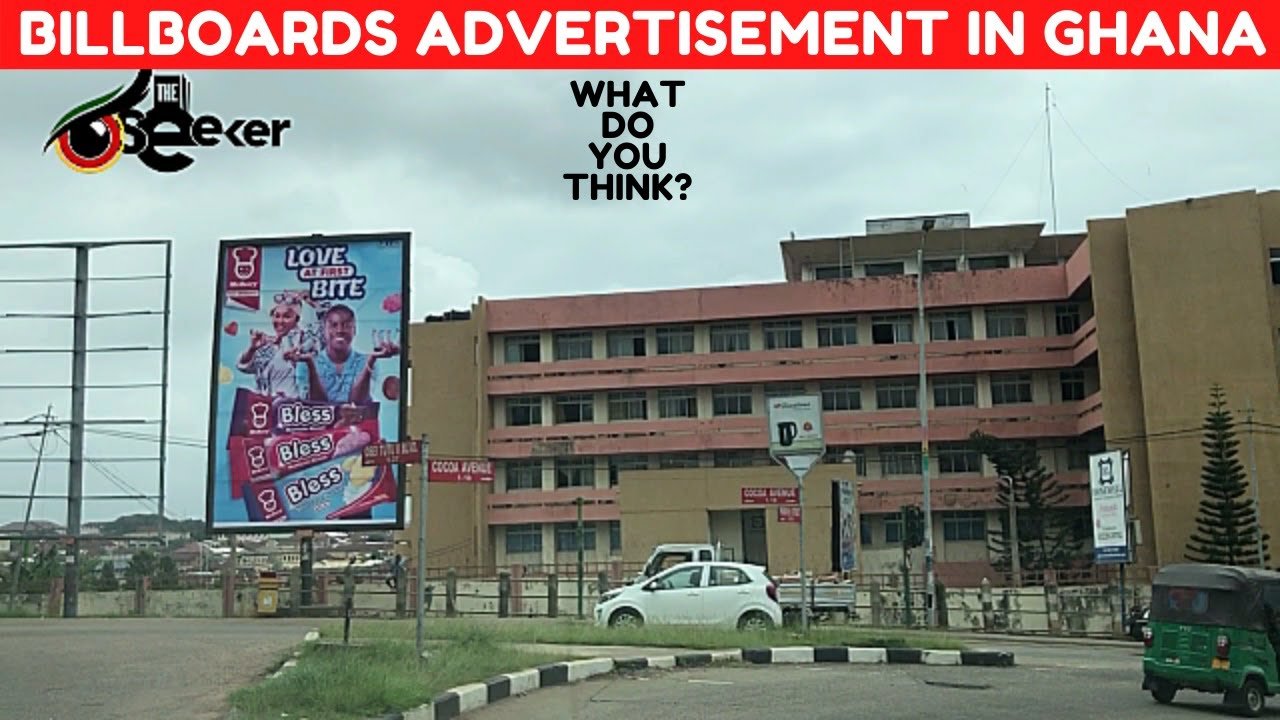
Energy expert Kwame Jantuah has called on the National Road Safety Authority (NRSA) and other relevant authorities to take decisive action against the indiscriminate placement of posters, billboards and advertisements along Ghana’s roads, warning that the practice poses a danger to motorists.
He expressed concern that road signs and directional boards were increasingly being covered with posters and commercial advertisements, making it difficult for drivers to identify important road information while driving.
Speaking during a discussion on the implementation of the TraffiTech Ghana road safety initiative ON TV3’s New Day programme on Friday, the legal practitioner said the situation was particularly worrying because even areas clearly marked with ‘No Posting of Bills’ notices were frequently defaced.
“Even when they have written ‘Post No Bill’, people post the bill. Something should be done about that,” he stressed on Big Issue, a segment on the programme.
He called on the Director-General of the NRSA, Abraham Amaliba, who was a panel member, to ensure that road signs and directional information were protected from unauthorised advertisements.
According to him, the practice could distract motorists and prevent them from seeing important information needed to navigate safely.
Jantuah also raised concerns about the growing number of large advertising billboards along major roads, questioning whether such structures were necessary when alternative advertising platforms were available.
Citing the Dzorwulu stretch as an example, he observed that the numerous billboards along the road had become a source of distraction for motorists, particularly during slow-moving traffic.
He further criticised the use of brightly illuminated electronic advertising screens at night, arguing that the intensity of their lighting could temporarily blind drivers and increase the risk of accidents.
“Something is blinding me. And when you’re driving, no light should be shining in your eyes that blinds you,” he said, questioning why authorities continued to permit such advertising displays.
The energy expert insisted that advertisements and other structures that compromise road safety should be regulated or removed, adding that everything capable of improving safety on the roads must be prioritised.
Beyond the concerns about road advertisements, Jantuah welcomed the introduction of the TraffiTech Ghana initiative, saying there were already signs that the enforcement measures were encouraging better driving behaviour.
He observed that some motorists were gradually developing the habit of stopping at zebra crossings when pedestrians were waiting to cross, describing the development as a positive indication of the initiative’s potential impact.
However, he called for greater transparency regarding the financial arrangements governing the system, particularly the distribution and utilisation of revenue generated from traffic violations.
Jantuah questioned how the proposed 60 per cent allocation to government and 40 per cent to the private company managing the system would be administered.
Drawing on his experience managing the Adome Bridge toll booth, he said there should be a clearly defined mechanism for collecting revenue and accounting for the government’s share.
He also urged the government to explain how its portion of the proceeds would be utilised, suggesting that the money could be reserved for road maintenance and the continued upkeep of the traffic enforcement infrastructure.
He cautioned against a situation where funds generated through the system could be diverted into general government expenditure rather than being reinvested in road safety.
According to him, maintaining the system would require sustainable funding, and the authorities must ensure that sufficient resources remain available for its continued operation.
Jantuah further warned that the government should avoid future financial disputes with the private company managing the system, particularly claims that the state owed outstanding payments.
He said the financial arrangements must be transparent from the beginning to ensure accountability and public confidence.
He maintained that the introduction of TraffiTech Ghana presented an opportunity to educate the public on road safety and address longstanding challenges associated with indiscipline, distractions and inadequate road infrastructure.
Jantuah urged the NRSA and other relevant institutions to use the initiative as an opportunity to review advertising practices along major roads and remove anything that threatens the safety of road users.
By Gifty Boateng