

Economic Experts have warned Ghana to takes deliberate steps to fortify local industries, broaden its export base and sharpen the execution of national development policies or risks losing its economic prosperity in the face of intensifying global competition for strategic resources.
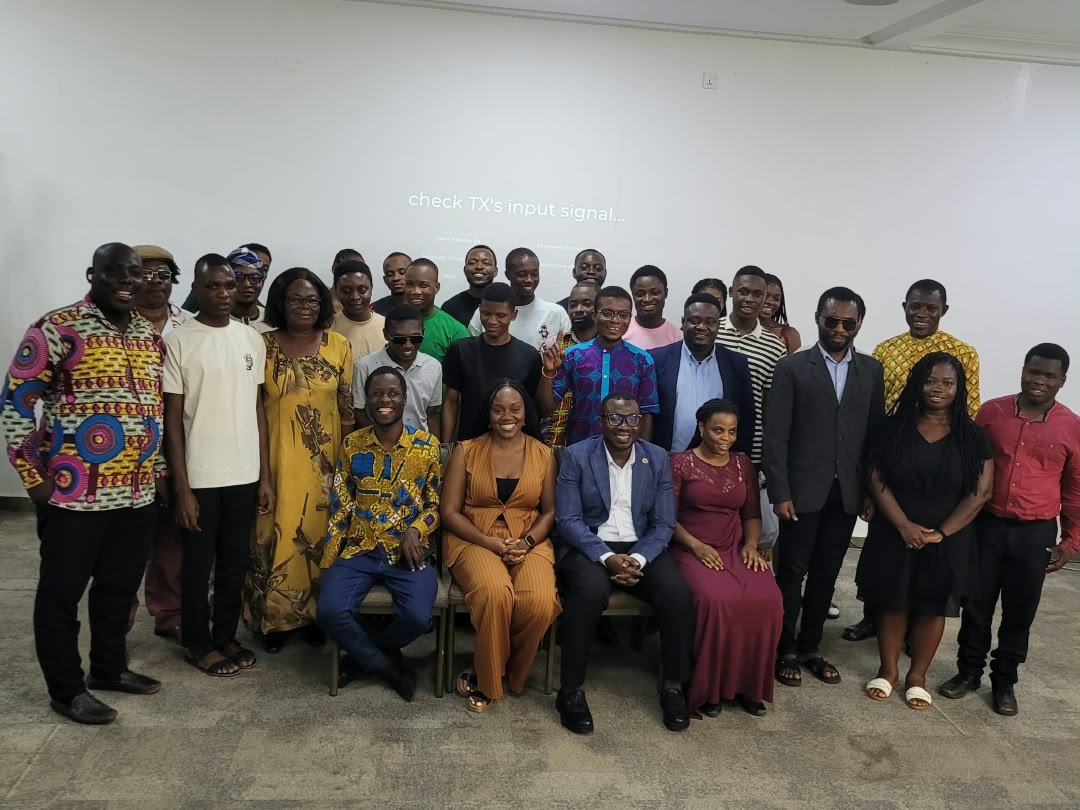
The experts made the case at the fifth edition of the Nyansa Dialogue, hosted by the Nyansa Institute for Strategic Dialogue in Accra on Friday, October 30.
Held under the theme “How does Ghana Protect its Economic Prosperity in an Age of Strategic Competition?”, the forum brought together economist Emmanuel Amoah-Darkwah and policy strategist and researcher Marie-Noelle Nwokolo to interrogate how the country can extract maximum benefit from international trade, foreign investment and its natural resource endowments.
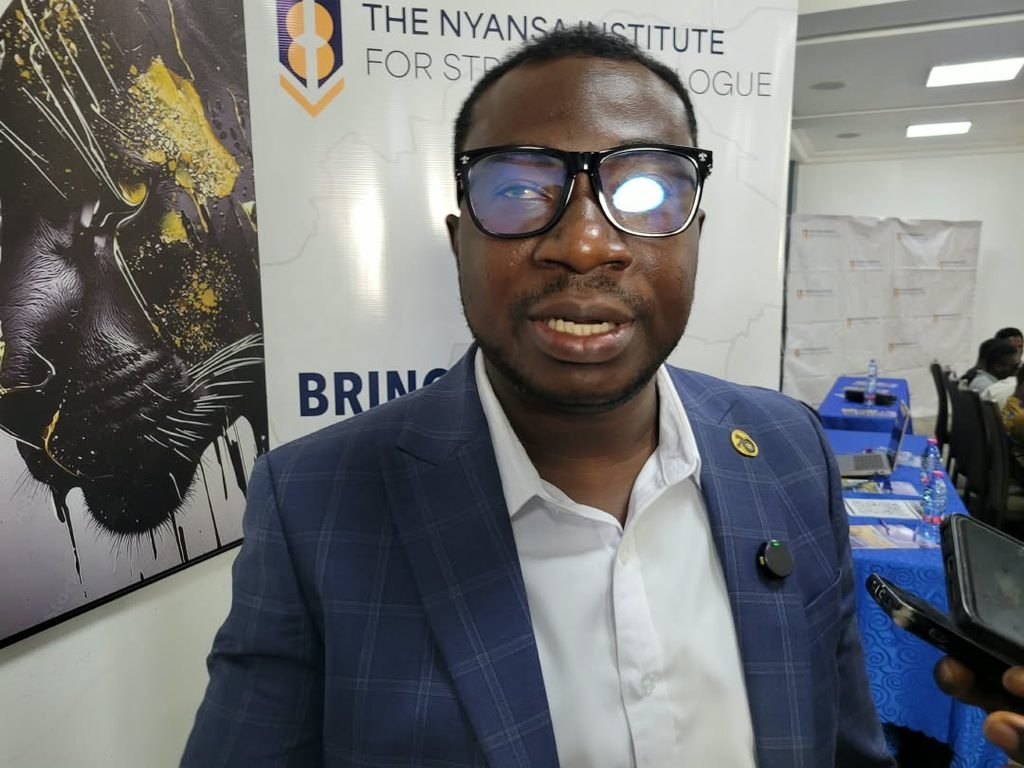
In a speech read on his behalf, the Institute’s Executive Director and Founder, Samuel Koranteng Adjei, stressed that Ghana must engage global powers from a strategic standpoint and ensure that international partnerships align with the country’s long-term national interests.
“Economic prosperity must mean more than growth figures; it must mean jobs, competitive local businesses, stronger industries, improved living standards, and an economy that can withstand external shocks,” he said.
Trade Deals Must Work for Local Industries
Contributing to the panel discussion, Mr Amoah-Darkwah argued that Ghana must pursue trade agreements that actively promote local production and guarantee that the country keeps a larger share of the value from its natural resources.
While acknowledging China’s introduction of tariff-free access for African goods effective May 2026, he maintained that Ghana must critically assess whether its existing trade arrangements are delivering favourable results.
He observed that Ghana and many other African countries remain trapped in trade deficits because they export mostly raw materials and import finished goods. He therefore urged the country to move past raw commodity exports and build the capacity to process its resources into higher-value products.
He pointed to bauxite and manganese as classic examples — resources Ghana has mined for decades without adequately building the downstream industries that should accompany them.
He further called for deliberate protection of job-creating sectors such as pharmaceuticals, textiles, poultry and automobile manufacturing.
“It’s not enough to have a trade deal between China and Ghana. What are we exporting to China in terms of the value chain? Are they raw commodities or are they value-added?” he queried.
Stronger Institutions and Policy Continuity Needed

On her part, Ms Nwokolo pinpointed weak institutional coordination, short-term political thinking and inadequate infrastructure as the biggest drags on Ghana’s economic transformation.
She observed that although the country has rolled out numerous policies and established several institutions to tackle its development challenges, implementation remains a persistent weakness.
Citing unemployment as a case in point, she noted that multiple state institutions carry overlapping mandates yet fail to coordinate effectively. In her view, creating even more institutions would yield little unless they work in concert toward clearly defined national goals.
She also championed policy continuity, arguing that the constant shift in development priorities whenever power changes hands disrupts long-term planning. She, therefore, challenged political parties and other stakeholders to consensus on a common national development plan capable of guiding successive governments over the next 20 to 50 years.
“There’s a lot that we have on paper. There’s a lot we’ve written. There’s a lot we’ve committed to. Ghana is one of those countries that, on paper, not a lot of people can match us,” she remarked.
Put Citizens at the Heart of Economic Policy
The policy strategist further insisted that the needs of ordinary Ghanaians must anchor every economic decision the country makes.
According to her, impressive economic indicators count for little if they do not translate into tangible improvements in people’s daily lives. Policymakers, she said, must prioritise the issues citizens themselves consider most pressing.
Drawing on Afrobarometer data, she singled out healthcare and employment as key areas demanding urgent attention.
At the same time, she cautioned against treating every development challenge as an immediate priority, advising government to make deliberate choices about what to tackle first and how best to sequence its interventions.
Invest in Data for Critical Minerals Negotiations
Wrapping up, Mr Amoah-Darkwah advised Ghana to channel investment into geological exploration and data gathering to bolster its bargaining power in negotiations over critical minerals.
He noted that global demand for critical minerals continues to climb as countries race toward cleaner energy sources. However, he stressed that Ghana needs dependable information about its own mineral wealth before it can negotiate investment agreements from a position of strength.
The dialogue forms part of the Nyansa Institute for Strategic Dialogue’s broader mission of offering a platform where policymakers, researchers, business leaders and citizens can interrogate the issues shaping Ghana’s development.