

The Mahama administration is taking steps to restore Ghana’s relationship with the United States’ Millennium Challenge Corporation (MCC), following the diplomatic and financial fallout from the collapse of the Electricity Company of Ghana (ECG)-Power Distribution Services (PDS) concession under former President Nana Addo Dankwa Akufo-Addo.
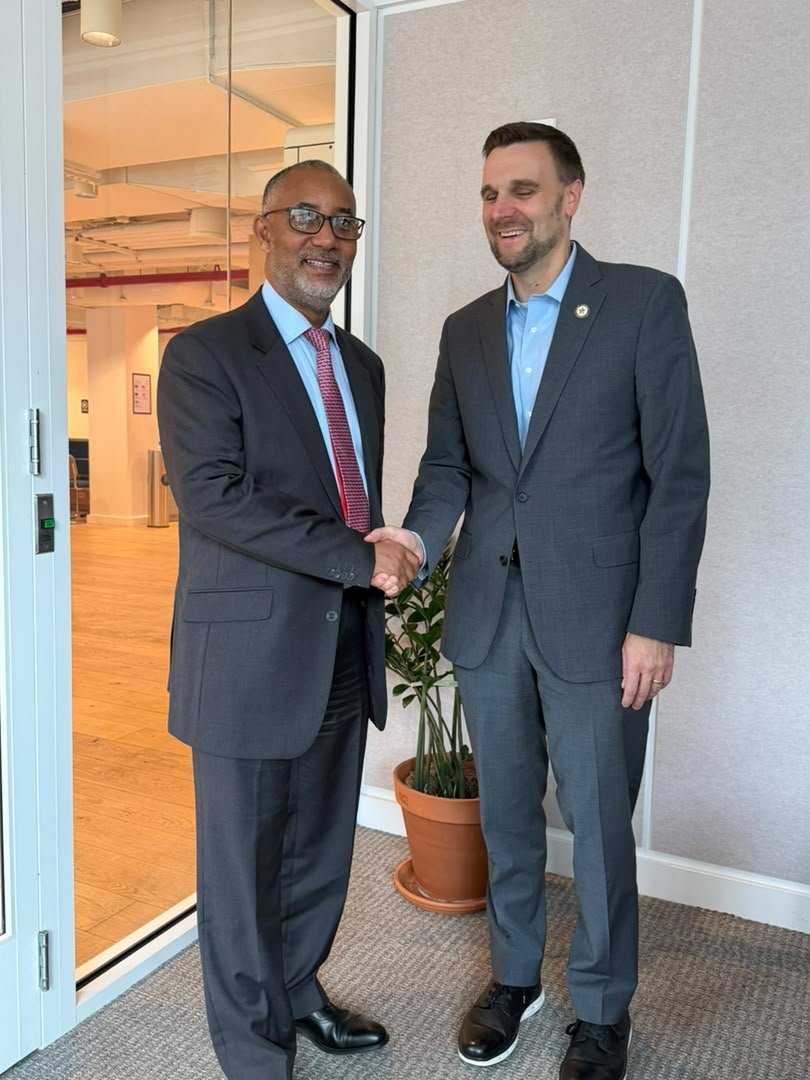
The renewed engagement, which brought a high-level delegation from the Millennium Development Authority (MiDA) face-to-face with MCC officials in New York, signals the government’s efforts to rebuild confidence in Ghana as a development partner and reopen the possibility of securing another major US-funded compact.
The discussions focused on Ghana’s previous engagements with the MCC, the lessons from two completed development programmes and opportunities for renewed cooperation, particularly in energy infrastructure, electricity distribution and regional power integration.
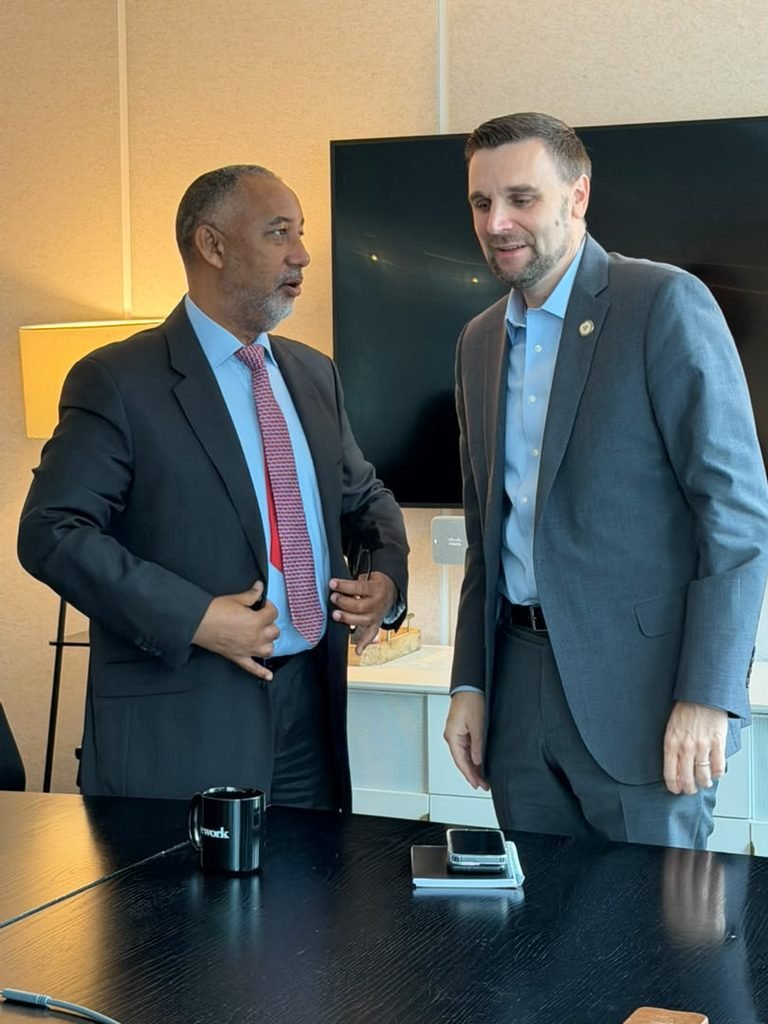
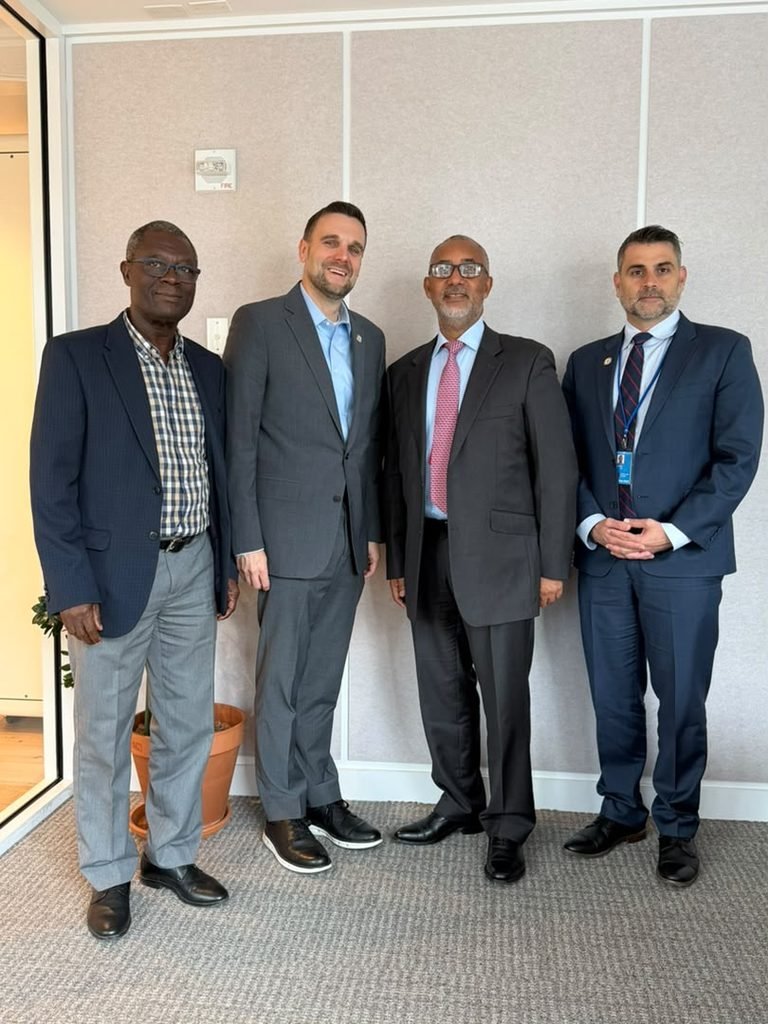
The MiDA delegation was led by its Chief Executive Officer, Alexander Kofi-Mensah Mould, and Board Chairman, Charles Abugre, while the MCC delegation was headed by Jason Small, Acting Vice President for Compact Operations, and Senior Policy Advisor Tariq Ahmed.
The meeting comes against the background of the controversy surrounding the PDS concession, which resulted in the termination of Ghana’s second MCC Compact arrangement and the loss of US$190 million in funding after the Akufo-Addo administration cancelled the agreement in 2019.
The collapse of the concession, which was intended to introduce private-sector management into ECG under a 20-year arrangement, triggered a major disagreement between Ghana and the MCC over the validity of financial guarantees submitted by PDS and the findings of an independent forensic audit. While the Ghanaian government maintained that the guarantees raised serious concerns, the MCC argued that the audit had found no information suggesting that PDS had committed fraud.
The resulting dispute damaged the implementation of the Ghana Power Compact, with the MCC subsequently withdrawing US$190 million tied to the concession and partially terminating the programme. Although the remaining components were implemented, the controversy left significant questions about Ghana’s institutional oversight and its ability to manage major development agreements.
Mahama government seeks to rebuild confidence
At the New York meeting, MCC Acting Vice President for Compact Operations Jason Small indicated that Ghana’s previous experience with the agency would be a significant consideration in any future compact arrangement.
He said the MCC had strengthened its assessment of prospective partner countries, with greater emphasis on the potential for increased US investment, expanded US exports and the development of supply chains involving critical materials and minerals.
For countries with previous MCC programmes, Mr Small said the agency would also examine the performance of earlier investments, the extent to which projects were completed and whether the reforms introduced under previous compacts had been sustained.
The assessment provides the Mahama administration with an opportunity to demonstrate progress in addressing the institutional and policy challenges that affected Ghana’s previous engagement with the MCC, particularly the controversy that led to the collapse of the PDS concession.
Mr Small’s remarks suggest that a renewed partnership will depend not only on Ghana’s development priorities but also on its ability to demonstrate that it has learned from previous difficulties and can effectively manage future investments.
Energy sector offers a pathway to renewed cooperation
MiDA Chief Executive Officer Alexander Kofi-Mensah Mould identified the energy sector as a major area in which Ghana could pursue renewed collaboration with the MCC, drawing on the infrastructure and institutional experience developed under the previous Power Compact.
He highlighted opportunities to strengthen the electricity grid, improve the performance of distribution companies and deepen regional electricity integration across West Africa.
Mr Mould also proposed greater cooperation between Ghana and Nigeria on natural gas infrastructure, including the development of pipeline connections to support power generation and improve electricity reliability across the region.
“We’re looking at the natural gas that we have, and also Nigeria, to see how we can work together — do the pipeline to ensure that we have gas flowing across the region to generate electricity and also to improve the grid,” he said.
He further cited reforms undertaken in Ghana’s energy sector, including quarterly automatic tariff adjustments and a cash waterfall mechanism intended to improve the distribution of revenues across the electricity value chain.
According to him, several reforms and projects that could not be completed under the previous Power Compact have since been advanced through domestic efforts.
Mr Small, for his part, recalled that the MCC had previously examined regional electricity infrastructure projects, including proposed transmission interconnectors between Ghana and Côte d’Ivoire and Ghana and Burkina Faso. He said the agency would need to assess the status and continued viability of those projects before considering further investment.
MCC introduces tougher considerations for new compact
Despite the renewed engagement, the MCC has made clear that Ghana’s previous participation in its programmes does not automatically qualify the country for another compact.
Mr Small said the agency now applies a broader assessment framework that considers what he described as “American returns”, including opportunities to increase US investment and exports and strengthen supply chains involving critical materials and minerals.
He explained that the MCC Board would consider the available evidence before deciding which countries should be selected for new compact development.
He also stressed that future investments would have to address clearly identified constraints to economic growth, with energy remaining a possible priority because of its importance to industrial development and emerging economic opportunities.
“There’s still an opportunity,” Mr Small said, while emphasising the need for further analysis before the MCC determines the nature and sector of any future intervention.
A second chance after the PDS controversy
Ghana’s engagement with the MCC dates back to its first Compact, which supported agriculture, transportation and rural development, followed by the US$498.2 million Ghana Power Compact, which focused on electricity infrastructure and reforms.
The completion of both programmes has left MiDA with considerable institutional experience in implementing large-scale development projects. The renewed discussions are therefore an opportunity for the Mahama administration to build on that experience while demonstrating that Ghana can sustain reforms, maintain institutional accountability and fulfil the obligations associated with international development partnerships.
For the current government, restoring confidence in Ghana’s relationship with the MCC could reopen access to substantial development financing and technical support at a time when investment in infrastructure, energy security and regional integration remains central to the country’s economic ambitions.
The New York meeting, however, is not a confirmation that Ghana has been selected for a new compact. Rather, it represents an important step in re-establishing engagement with an agency whose previous partnership with Ghana was significantly disrupted by the PDS controversy.
The extent to which the Mahama administration can demonstrate credible reforms, effective oversight and the sustainability of previous investments is likely to be central to whether the renewed dialogue translates into another MCC-funded development programme.