

By Prince Ahenkorah
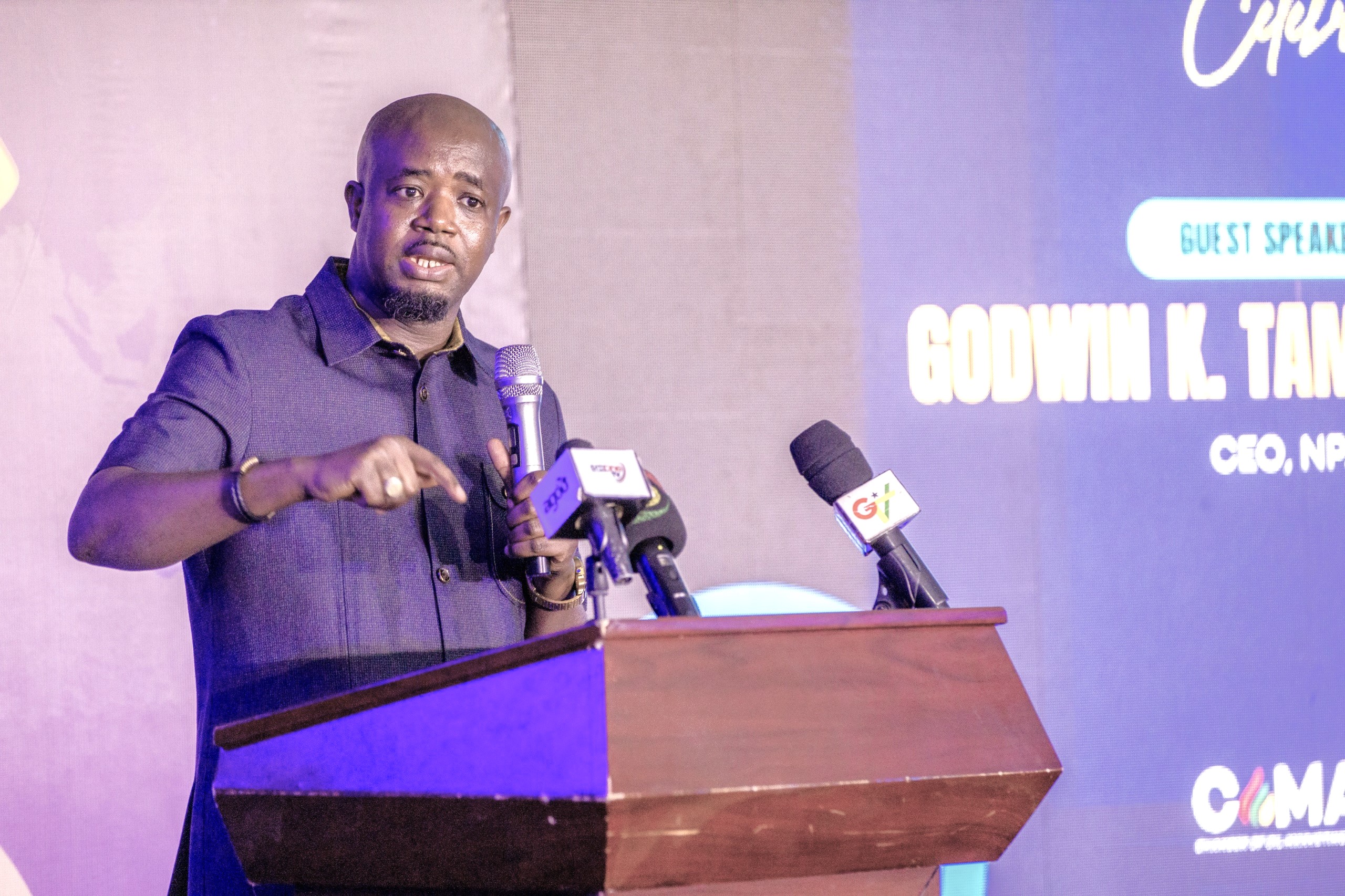
Godwin Edudzi Tameklo, Chief Executive of the National Petroleum Authority (NPA), stood before an audience at the World LPG Day celebrations on Monday and made a pledge that sounded bold: at least 50% of Ghanaians will have access to LPG for domestic cooking by 2030.
The target is not new. But in a speech laced with safety slogans and partnership calls, Tameklo offered little detail on how the remaining 7 percentage points from the current 43% penetration to 50% – will be bridged in just four years. And industry insiders are asking whether the NPA’s “crusade” is more about rhetoric than reality.
Energy Minister Dr. John Abdulai Jinapor confirmed last week that national LPG penetration stands at 43%. The NPA is now aiming for 50% by 2030 a modest annual increase of roughly 1.75%. On paper, that seems achievable. But the historical record tells a different story.
Ghana’s LPG penetration has hovered around the 40-45% mark for the better part of a decade. The rapid gains of the early 2010s driven by the now-stalled cylinder recirculation model have not been sustained. Rural access remains abysmal.
The charcoal economy, worth hundreds of millions of dollars annually, continues to exert a powerful gravitational pull on the 57% of households still using firewood and charcoal.
In his address, Tameklo pointed to “private sector capital injection into LPG vessels and storage infrastructure” and the Cylinder Recirculation Model as the engines of growth. But sources close to the LPG marketing sector say private investment has been tepid.
“The returns aren’t there for the big players,” a senior executive at a major marketing company told The New Republic on condition of anonymity. “The margins are thin, and the regulatory uncertainty is real.”
Tameklo placed heavy emphasis on safety, describing it as a “tripartite covenant” between industry, consumers, and communities. He listed cardinal imperatives checking for leaks, using certified cylinders, proper storage and promised a cascade of nationwide interventions: public education campaigns, school sensitisation, media partnerships.
But some analysts see the safety push as a way to deflect attention from the structural problems that have stalled LPG adoption. “When you can’t solve the pricing and logistics problems, you talk about safety,” said a former NPA regulator. “It’s a classic bureaucratic move. Make the consumer responsible for their own risk, while the system remains broken.”
The NPA CEO’s call for stakeholders to “uphold the highest safety standards” and “amplify awareness” has a familiar ring. Similar campaigns have been launched repeatedly over the past decade. What has been missing, critics say, is a coherent strategy to tackle the real bottlenecks: the high cost of LPG relative to charcoal, the lack of distribution networks in rural areas, and the politically sensitive nature of the charcoal trade.
“Until we have a serious conversation about pricing and subsidies, the 50% target is just a number on a slide deck,” a policy analyst at a Accra-based think tank told The New Republic. “And until we address the charcoal lobby, no minister will dare to push for the kind of aggressive transition that would actually get us to 50%.”
Tameklo’s speech was not without merit. He correctly identified the need for industry compliance, consumer vigilance, and community awareness. And the NPA’s plans for nationwide outreach are, on the surface, sound.
But the question that hangs over the entire LPG strategy is one the NPA has yet to answer: How do you get to 50% when the 57% who are not using LPG are not just unaware they are actively choosing a cheaper, more accessible fuel, and a powerful political constituency is protecting their choice?
As one industry veteran put it: “The 50% target is politically safe. It’s far enough away that no one will hold anyone accountable. But if you look closely at the numbers, you’ll see that Ghana’s LPG story has been stuck at the same place for years. And safety campaigns won’t fix that.”