

By Leo Nelson
The New Patriotic Party has intensified efforts to reorganise its communication machinery as part of preparations toward the 2028 general election.
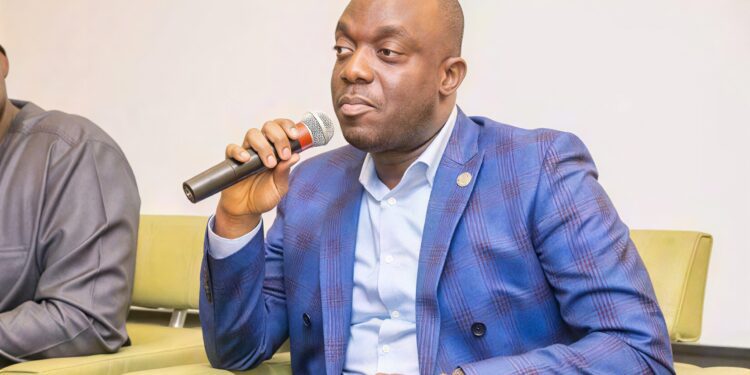
Justin Frimpong Kodua explained that the reforms followed concerns over ineffective messaging during the 2024 campaign season.
He noted that recent constitutional amendments introduced new communication structures across the party. As a result, the reforms are expected to improve coordination from the polling station level to the National Council.
The General Secretary explained that the party expanded polling station executives from five to seven positions. In addition, the new arrangement introduced electoral affairs officers and communication officers to strengthen mobilisation and public engagement.
He observed that communication had remained one of the party’s long standing weaknesses despite its electoral record over the years. Consequently, the party established a Communications Committee under the National Council to shape a unified strategy for future political campaigns.
The committee, he indicated, would analyse communication trends and develop policies for party communicators nationwide. Furthermore, the body is expected to guide responses to political attacks and improve message consistency within the organisation.
“The party is making that attempt to address the historical issue and challenges. People will see a different communication strategy from the New Patriotic Party.”
Kodua further explained that the communication reforms form part of the constitutional amendment conference held at Legon in July 2025. He maintained that the amendments were designed to restore confidence among party members and reconnect former executives with the organisation’s electoral processes.
He added that many former constituency officers, parliamentary candidates and former Metropolitan, Municipal and District Chief Executives had previously felt excluded from internal voting processes. Therefore, the expanded electoral college now grants them voting rights in presidential primaries and other internal contests.
The General Secretary stressed that the reforms had already renewed interest among supporters ahead of the 2028 election. Moreover, the party expects the communication structures to improve public understanding of its achievements and policy direction.
Strategic Committee Tasked With Long Term Election Planning
The New Patriotic Party has created a Strategic Committee to guide its political planning and electoral preparation over the short, medium and long term. Justin Frimpong Kodua explained that the committee was formed as part of lessons drawn from the 2024 elections.
“With the formation of the communications committee, the party is making that attempt to address the historical issue and challenges that our forefathers in the UG-UGCC era, the PFP era, in the UP era, in the NPP era, where we were unable to counter and defend the propaganda from our political opponents.”
He stated that the committee would function as a think tank for the party’s future direction. Consequently, the structure is expected to ensure continuous planning beyond election victories and periods in opposition.
The General Secretary explained that the committee would develop strategic blueprints for party activities and campaign preparation. In the same process, the arrangement is expected to improve policy coordination and institutional continuity ahead of future elections.
Kodua also announced the establishment of an Electoral Affairs Committee under the amended constitution. He explained that the body would assess the party’s electoral fortunes and examine voting trends from previous national contests.
He added that the committee would review campaign strategies and recommend approaches for selecting parliamentary and presidential candidates. Subsequently, the committee would monitor future electoral developments and advise the party on emerging political challenges.
Kodua further disclosed that the National Executive Committee and National Council recently constituted several standing committees under the amended constitution. These committees include Finance, Research, Constitutional and Legal Affairs, Organisations, Vetting and National Disciplinary Committees.
Others include the Communications Committee, Electoral Affairs Committee and the Political Strategy and Policy Committee. He stressed that the committees are necessary for implementing the party’s constitutional reforms and election preparations.
The General Secretary explained that newly created structures required immediate appointments to ensure smooth operations. Therefore, the National Council proceeded with the formation of committees after the constitutional amendments took effect.
He also pointed to expanded voting rights for former party executives and newly elected polling station officers. In the same spirit, he maintained that the constitutional amendments require equal application across all levels of the party structure.
Early Flagbearer Election Shapes NPP’s 2028 Campaign Plans
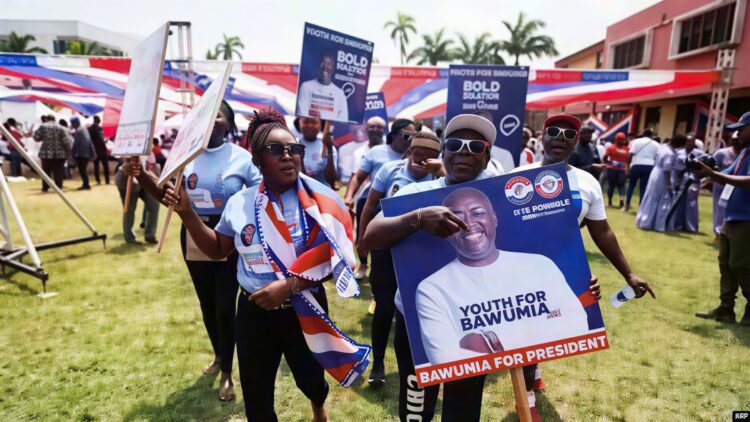
The New Patriotic Party says its decision to elect a presidential candidate before the internal election is intended to help the party plan ahead for 2028 general election. Justin Frimpong Kodua maintained that the move would provide adequate time for campaign preparation and national coordination.
He acknowledged that the decision initially generated criticism within sections of the party. However, he indicated that opinions have gradually shifted following the commencement of preparations for the next election cycle.
Kodua explained that the presidential candidate now has sufficient time to work with the Steering Committee, National Executive Committee and National Council. Hence, the collaboration is expected to support the formation of effective campaign structures nationwide.
He further linked the decision to the party’s objective of unseating a government after one term in office. Therefore, the leadership believes early preparation remains essential for achieving electoral success in 2028.
“We need to do things differently. We have a presidential candidate who has enough time to put in place together with the steering committee and National Executive Committee strong committees for 2028.”
The General Secretary also explained that constitutional amendments expanded participation within the party’s electoral system. Former executives and newly introduced polling station officers now have voting rights under the revised arrangements.
He argued that the reforms were intended to reduce apathy and increase participation among long serving party members. As a result, the leadership expects stronger involvement from grassroots supporters and former officials during future internal contests.
Kodua also defended the immediate constitution of standing committees after the amendments. He maintained that delaying the process would have affected preparations for the 2028 campaign.
The General Secretary stressed that the reforms represent a long term organisational effort aimed at strengthening internal democracy and electoral readiness. Meanwhile, party officials expect the structures created under the amended constitution to guide political activities over the coming years.