

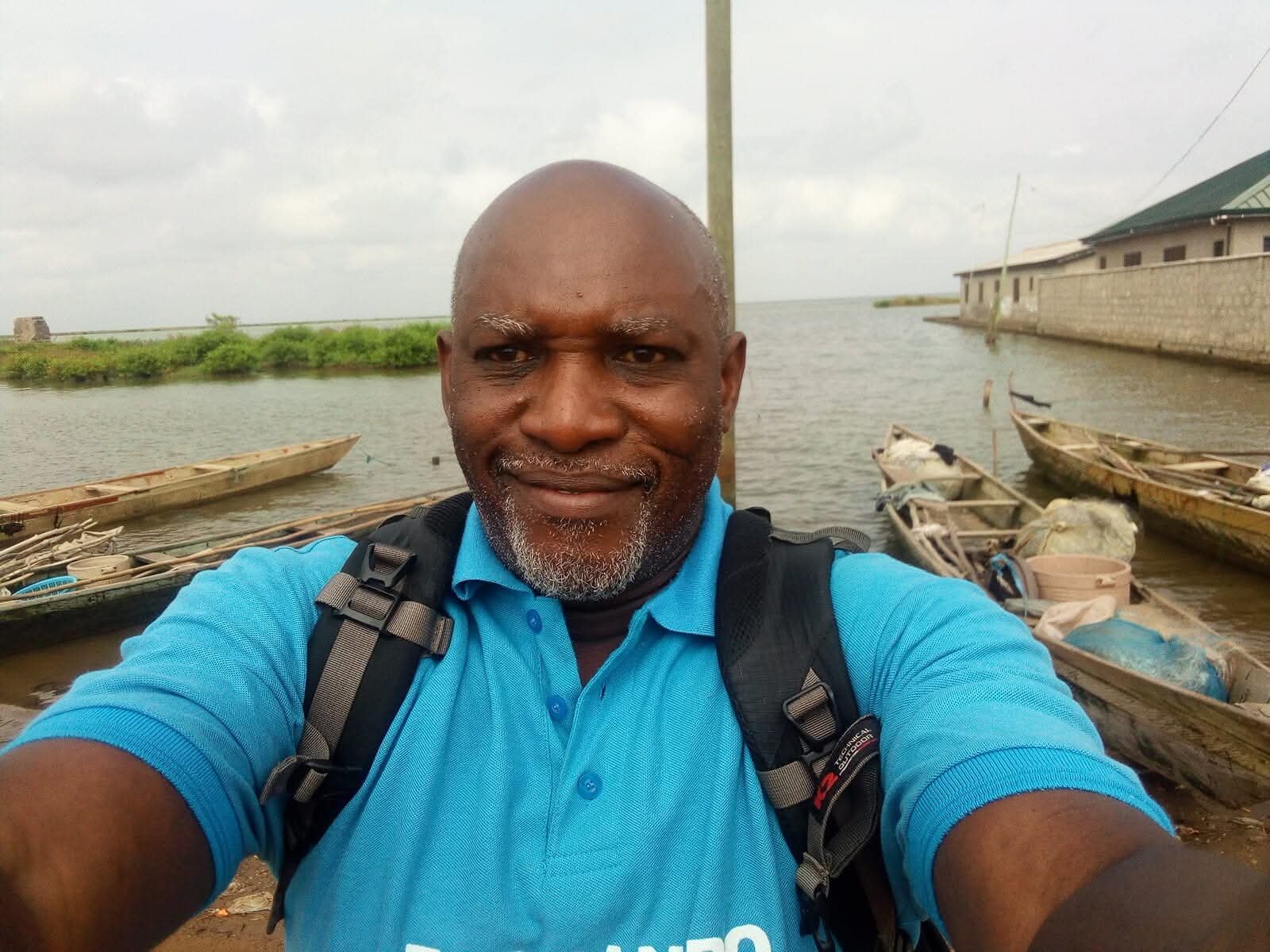
By Kwesi B. Randolph Johnson
Much of the discussion around sustainable fisheries and coastal management in Ghana and across the Gulf of Guinea focuses on fish stocks, marine conservation, biodiversity protection, illegal fishing, climate change, and the health of aquatic ecosystems. These are certainly important concerns. However, one critical issue is often overlooked: the health and well-being of the fisherfolk themselves.
Across the region, millions of people depend directly or indirectly on fishing for their livelihoods. Fishermen brave the oceans and inland waters to harvest fish, while fish processors, fishmongers, transporters, and traders ensure that fish reaches consumers.
Yet many fisheries and conservation programmes devote far greater attention to protecting fish than to protecting the people whose labour sustains the fisheries sector; and this raises an important question: If fisherfolk are not healthy, who will go fishing to bring us the fish? Who will process, market, and sell it for us to buy and consume?
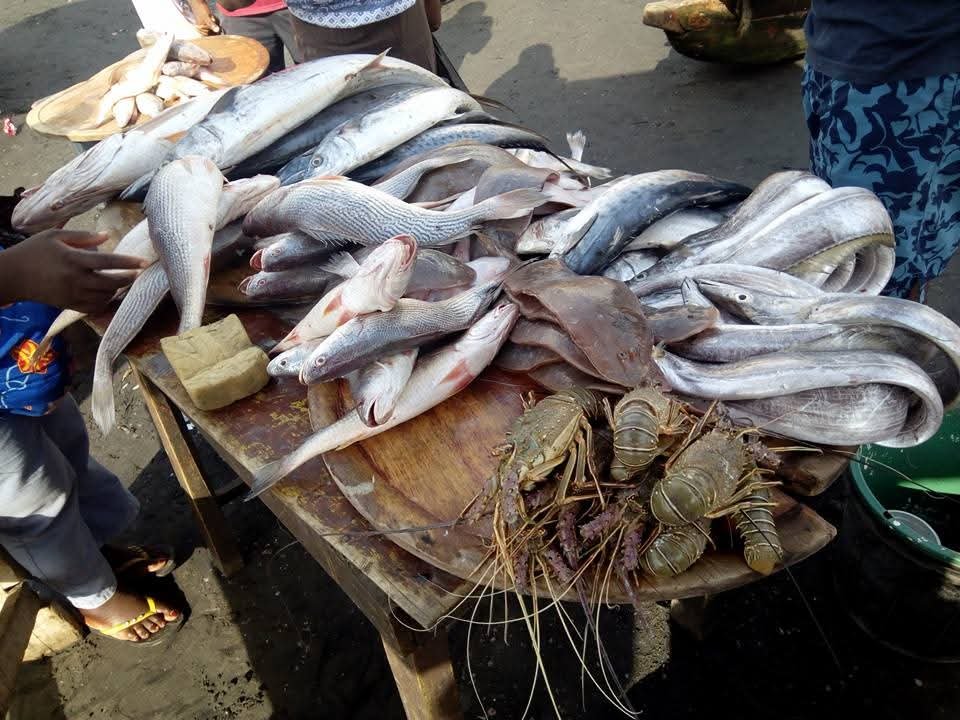
Sustainable fisheries cannot be achieved without healthy fishing communities. The well-being of fish stocks and the well-being of fisherfolk are inseparable. A healthy ocean requires healthy coastal communities, just as healthy coastal communities depend upon healthy oceans.
Recent international media discussions have focused on emerging infectious diseases and the anxiety they can generate. While it is important to remain vigilant regarding new disease threats, residents of coastal-fishing communities in Ghana and throughout the Gulf of Guinea should be equally concerned, if not more concerned about several longstanding diseases that continue to threaten lives and livelihoods every year.
Among these are tuberculosis, rabies, cholera, and, potentially, Ebola.
These diseases may not always dominate headlines, but they pose real and persistent threats to the health, productivity, and resilience of fishing communities. Addressing them should be an integral part of any serious effort to promote sustainable fisheries, blue economy development, and coastal resilience.
We need healthy and strong fisherfolk for a healthy fishery in order to benefit from it wholistically..