

– Security Analyst Fingers Immigration Lapses
By News Desk
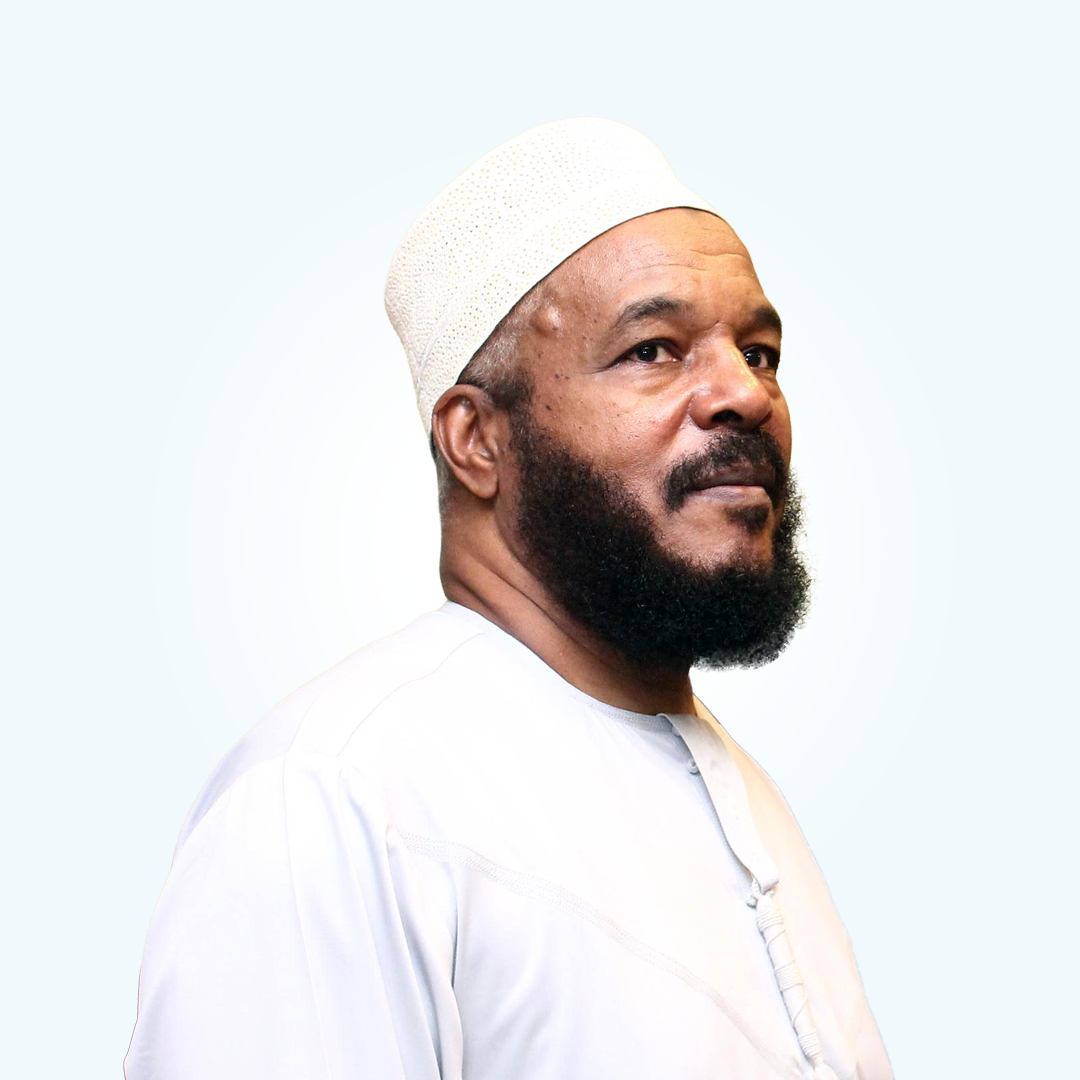
The decision to grant entry to Dr Abu Philips, a Canadian citizen with a documented history of extremist advocacy and international travel bans, has exposed a glaring gap in Ghana’s immigration vetting protocols, a senior security analyst has warned.
Dr Kwasi Aning, of the Kofi Annan International Peacekeeping Training Centre, told Joy News that admitting the controversial Islamic preacher at a time of heightened regional insecurity and domestic youth unemployment amounts to a significant lapse in judgment.
“We live in a dangerous neighbourhood. These are dangerous times. We have a huge unemployed and unemployable youth base. We have an increasingly radicalised population,” Aning said. “Probably it is not too wise and advisable to allow Dr Philips to be in here to do his preaching.”
Dr Philips, whose public activities in Ghana commenced with lectures in Accra, Kumasi and now Tamale, carries a controversial record that has seen him barred from multiple jurisdictions:
· Indicted in the 1993 World Trade Center bombing
· Deported from the United States (2004) and the Philippines
· Banned from entering the United Kingdom, Australia, and Bangladesh a predominantly Muslim nation
Despite this, he has delivered lectures across Ghanaian institutions, including the Kwame Nkrumah University of Science and Technology (KNUST), on topics including “Insurgency In God’s Name: Revelation or Rebellion” and “Islamic Identity Under Globalization.”
An upcoming lecture at the Tamale Jubilee Park and another at the University for Development Studies on “Islam and Media: Enemies or Foes” are scheduled for February.
Aning’s concerns are amplified by Ghana’s already fragile security environment:
· Two GITMO ex-detainees are currently resident in the country
· A KNUST student has already been recruited into the ISIS network, raising fears of further conversions
· The National Security apparatus has issued repeated warnings about ISIS recruitment targeting Ghanaian students
Dr Philips, an advocate for suicide bombing, has consistently defended such acts whenever they occur. He is also alleged to have ties to Al-Qaeda—claims he has dismissed.
Aning warned that the preacher’s public lectures are not the primary concern.
“The problem is not about Dr Philips making public statements or preaching and we having access to what he is going to say before he says it,” he explained.
“It is the whispered conversation in corners, the networks that he has, the networks he will be introducing others to. That is where the problem lies.”
He added: “He will come in here on a two-week visa and leave but the after effect of his presence and activities will stay with us.”
Aning was scathing about the President’s recent assertion of a unique intelligence-sharing partnership with the United States.
“There is no substance to what the president said about intelligence sharing with the US,” he said. “The so-called beneficial relationship with the US in terms of intelligence sharing will not materialise because the US does not see us as a critical ally.
“We are a country that can be used for their ad-hoc activities and dismissed. This is a classic case.”
Had the US shared its watchlist with Ghana’s Immigration Service, Aning argued, Dr Philips would have been flagged at the border.
“It also reflects the poverty of research capabilities in our security institutions.”
Aning drew attention to the apparent contradiction in Ghana’s security posture.
“When the GITMO situation arose in Ghana, some of these preachers were berating Ghana for accepting the two suspects,” he recalled. “And now we wonder why Ghana would allow Dr Philips to come to Ghana.”
The Tamale police have reportedly questioned Dr Philips but permitted his lectures to proceed. National Security insists his presence poses no threat a position Aning has firmly rejected.
“Somebody had failed,” he said bluntly.