

By Kwesi Benyi Randolph Johnson
When Sankofa in fisheries management is mentioned, some mistakenly assume it is merely the name of a project. In truth, Sankofa is a philosophy rooted in African Indigenous wisdom that teaches us to return to the past, retrieve what is valuable, and use it to build a sustainable future in fisheries, agriculture, health, and environmental governance. [1]
Sankofa represents the deliberate recovery of Indigenous knowledge systems, local practices, spiritual ecology, and community-based norms that sustained our societies long before colonial and post-colonial disruptions. Indigenous ecological knowledge has been increasingly recognised in sustainability scholarship as essential to long-term ecosystem management. [2]
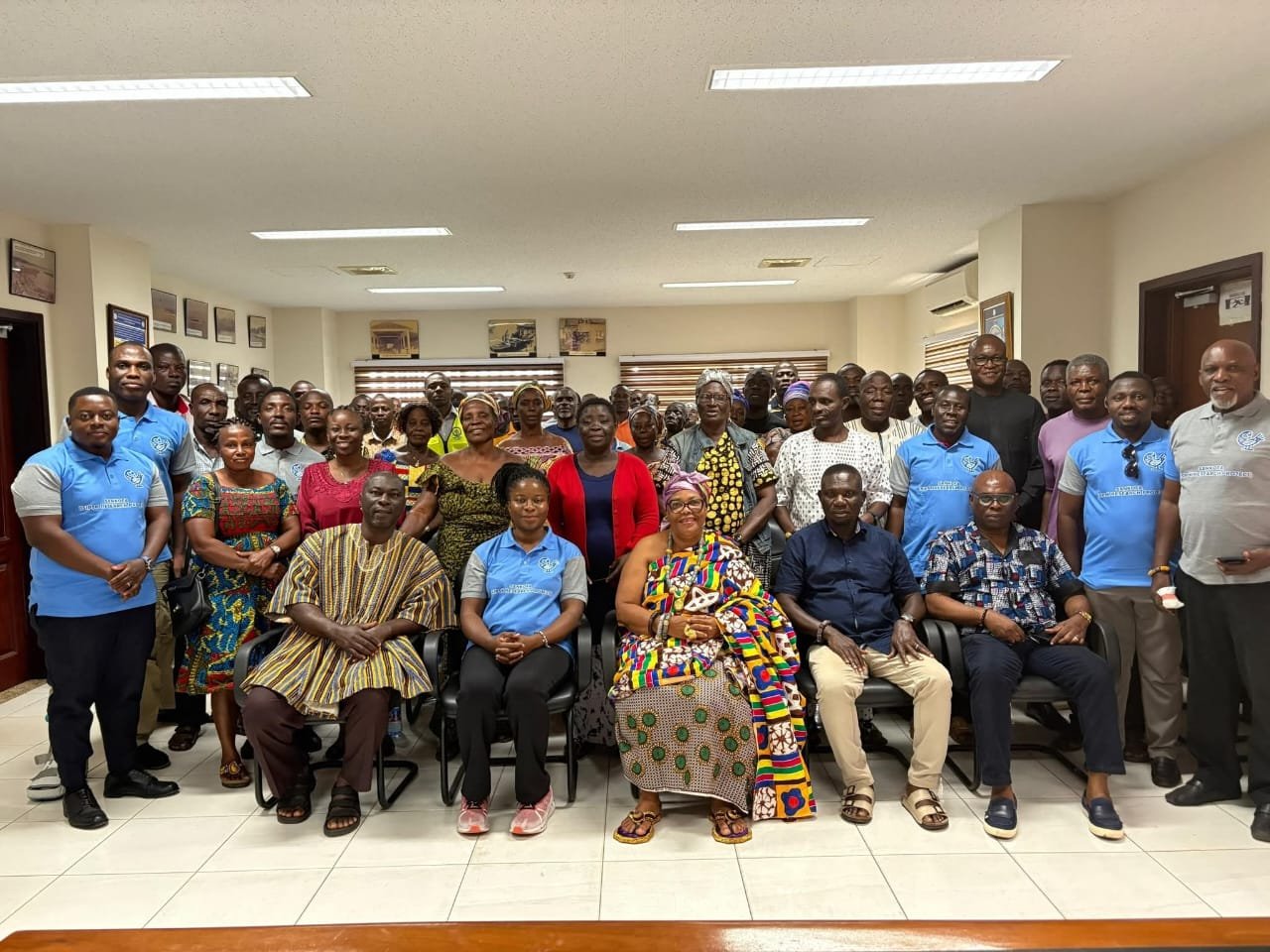
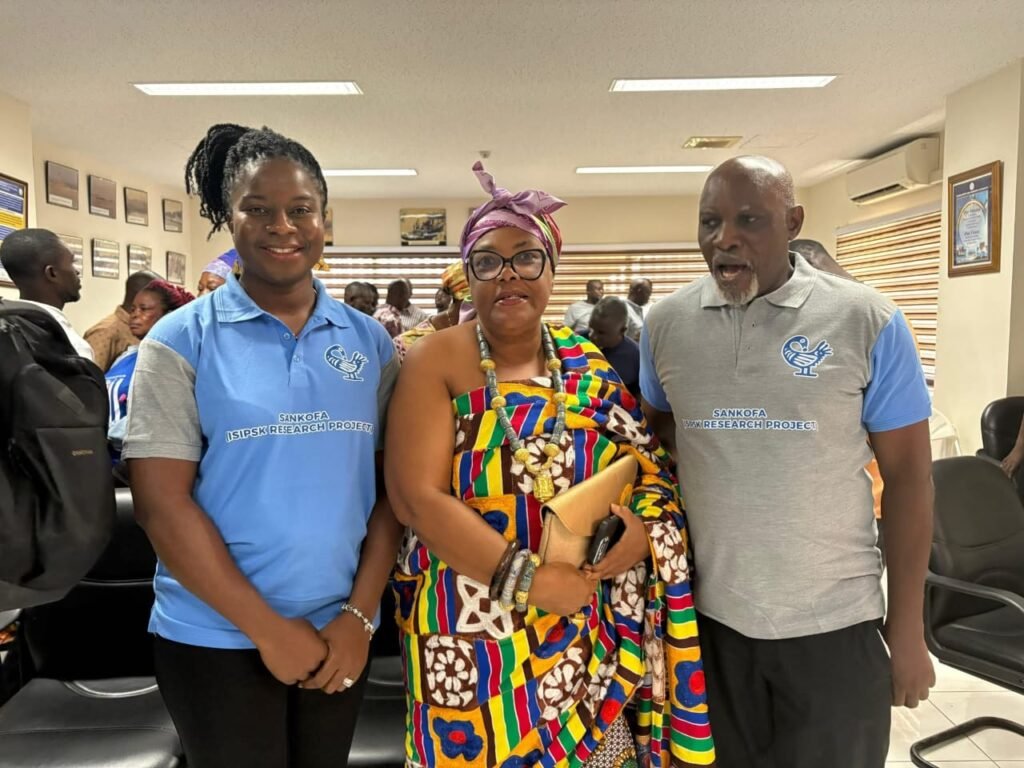
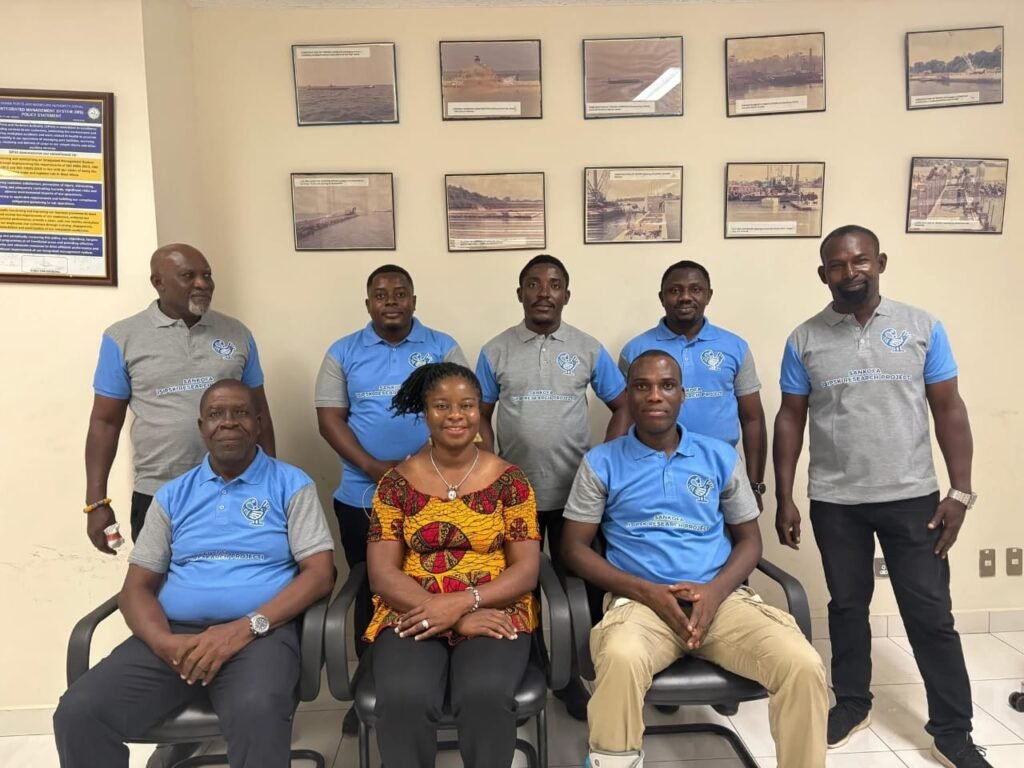
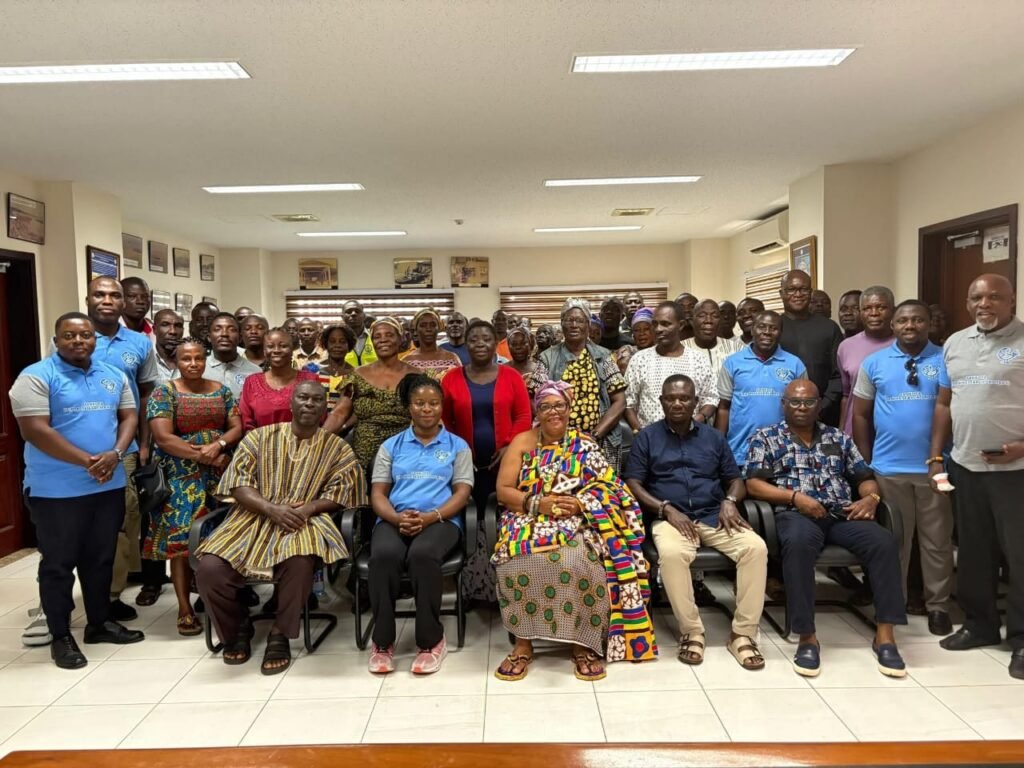
The ISIPSK Sankofa Project (Creating Synergies between Indigenous Practices and Scientific Knowledge) embodies this philosophy by demonstrating that sustainability is strongest when science listens to culture and culture engages science (symbiotic). [3]
We must not forget our past and we must not cast away our noble.
The Cost of Forgetting
Our ancestors did not warn us in vain. Yet, in the name of civilisation and modernity, many Indigenous practices were dismissed as backward or archaic. In their place, we adopted methods that promise quick rewards but leave long-term destruction.
Today, we fish with toxic chemicals, engage in illegal and destructive fishing practices, farm with harmful inputs, and exploit land and sea without restraint – all in pursuit of short-term gain.
The Akan people of Ghana and La Côte d’Ivoire have an adage: “Whim whim ade ko sro sro; wo whim a ebe whim.” (to wit: What is taken through greed quickly disappears; easy come, easy go).
This wisdom speaks directly to our present crisis: what we harvest recklessly soon drains away; fish stocks collapse, soils lose fertility, waters become polluted, and livelihoods disappear.
Spiritual Ecology and the African Worldview
Africans are not merely religious people; we are spiritual people. Traditional African worldviews recognise the sacred relationship between humans, nature, and the Creator, where rivers, forests, seas, and animals are considered living systems rather than mere commodities – a worldview consistent with indigenous spiritual ecology. [4]
African Spiritualities
Our ancestors understood that ecosystems are woven into cultural and spiritual meaning. Through elders, taboos, sacred days, and customary law — practical ecological guidance was encoded in culture, often functioning as conservation measures. [5]
When these norms were broken, consequences followed. Today’s environmental degradation declining fish stocks, polluted food chains, rising health challenges are symptoms of that broken relationship.
Instead of addressing these systemic causes, people are often encouraged to blame misfortune on curses or spiritual attacks.
Meanwhile, the real drivers – ecological neglect, harmful chemicals, weak governance, and non-compliance remain unchallenged.
Chemical Dependency and the Undermining of Local Knowledge
Modern systems have aggressively promoted toxic agro-veterinary chemicals while undermining herbal, organic, and Indigenous alternatives. Farmers are told their traditional methods are illegal or inferior, even though such industrial agro-chemicals enter the food chain through crops, livestock, fish and into human bodies over time.
At the same time, local foods and traditional cuisine, medicines, and brews were “criminalised”, while imported alternatives are glorified and sold at high prices.
This reflects a system that profits from erasing Indigenous self-reliance, often supported by broader economic interests and internal elites.
Philosophy to Policy
The ISIPSK Sankofa Project moves Sankofa – in other words, “back to our roots” – from reflection into action. It recognises that Indigenous ecological knowledge is not inferior to scientific knowledge, but complementary. [6]
For generations, Ghanaian fishing and farming communities relied on: Lunar and tidal cycles,
Seasonal and ecological indicators, sacred fishing and farming days, knowledge of spawning grounds, soil health, and species behaviour.
These were effective conservation and management tools long before modern science formalised them. [7]
However, a critical gap remains as many national laws and regulations are detached from these lived realities. The ISIPSK Sankofa Project therefore highlights the urgent need to infuse Indigenous knowledge into legislation, fisheries regulations, and draws attention albeit indirectly to agricultural policies, and enforcement frameworks.
Laws that ignore culture often fail in practice; laws grounded in local knowledge earn legitimacy, compliance, engender long-term success.
Shared Responsibility
While policymakers must reform laws to reflect Indigenous realities, fishers and farmers must also take responsibility for unsustainable practices. Illegal fishing methods, chemical misuse, harvesting of juveniles, habitat destruction, and disregard for closed seasons cannot be justified under culture or survival alone.
Sankofa proposes responsibleness, not recklessness. For sustainability to succeed, laws must be culturally informed and scientifically sound, and fishers and farmers must sincerely abide by these laws, abandoning illegal practices even when enforcement is weak.
No system, traditional or modern, survives without discipline.
Indigenous Knowledge Beyond Ghana
Indigenous knowledge systems underpin successful resource management around the world.
From marine conservation in the Pacific to climate adaptation across Africa and the Arctic, communities with strong relationships with nature demonstrate resilience, biodiversity protection, and food security. [8]
These examples affirm a simple truth: sustainability cannot be imposed; it must be rooted in people’s knowledge, values, and accountability.
Conclusion
Sankofa teaches us that progress does not come from abandoning our past, but from recovering what was lost and carrying it forward with responsibility.
The environmental and social crises we face are not inevitable; they are the outcomes of systems that dismissed Indigenous wisdom, weakened laws, and tolerated illegality in pursuit of short-term gain.
The ISIPSK Sankofa Project shows that our ancestors were not ignorant but were skilled ecosystem managers and custodians of intergenerational knowledge.
By creating synergies between Indigenous practices and scientific knowledge, and embedding these insights into legislation and policy, Sankofa offers a credible pathway toward sustainable fisheries and agriculture.
Yet laws alone are not enough. Fishers and farmers must honour both Indigenous norms and modern regulations, rejecting illegal practices and embracing stewardship.
Sustainability demands honesty, discipline, and collective responsibility.
To go forward, we must first go back – and then walk forward together, lawfully and responsibly.
======================
Footnotes
Sankofa concept in Akan language and symbol: meaning “go back and fetch it.”
- The Sustainable Digest – Details on ISIPSK Sankofa Project partnerships and goals.
- Ghana National Association et al – African spiritual ecology and interconnected worldview.
- African Spiritualities – Traditional norms (sacred days, ecological signals) functioning as conservation.
- Modern Ghana – Ghana Fisheries Commission recognition of traditional knowledge.
- Ghana National Association – Traditional ecological indicators for fisheries (e.g., lunar cycles, spawning sites).
- Modern Ghana – Indigenous knowledge globally in resource management.