

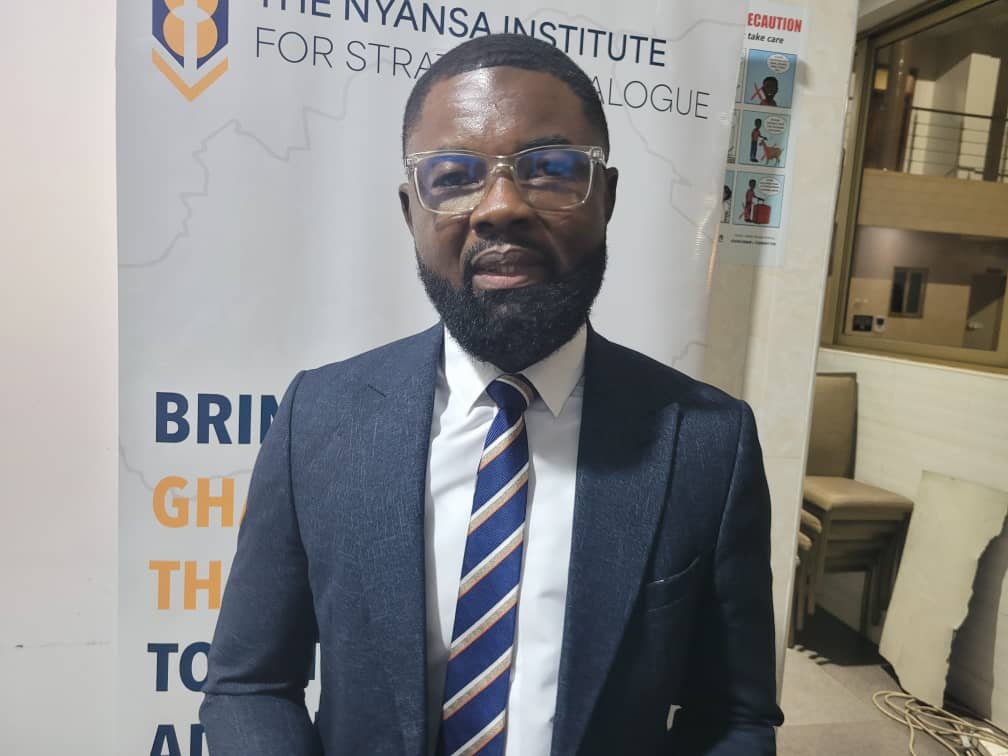
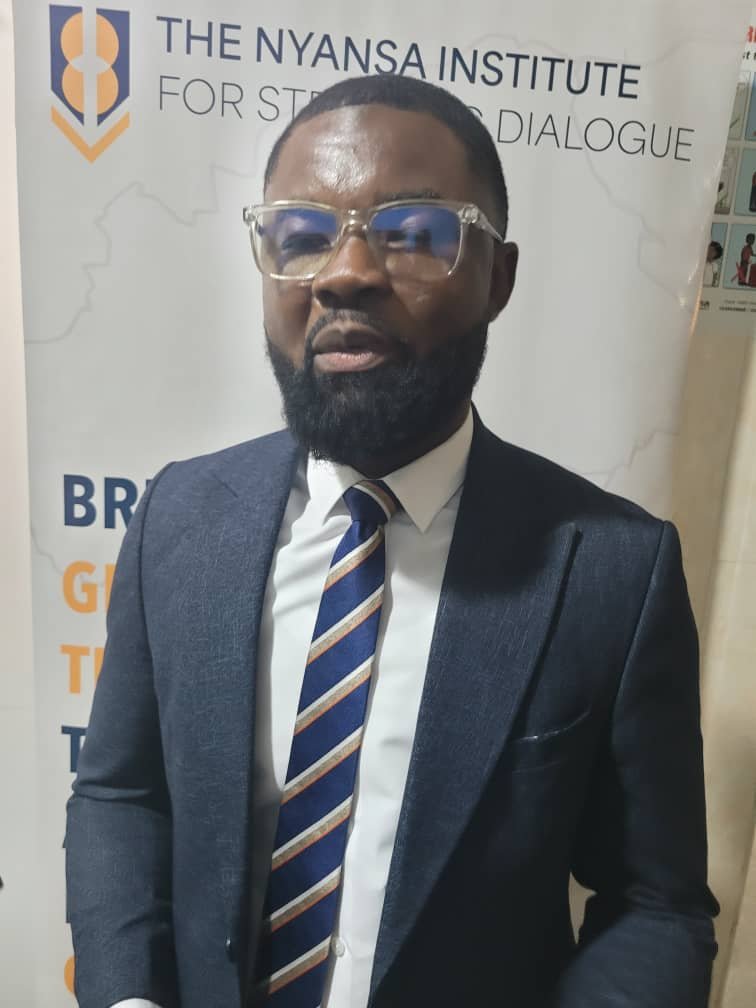
The Chief Executive Officer of the Nyansa Institute for Strategic Dialogue (NISD), Mr. Samuel Koranteng Adjei, has indicated that Ghana is internationally celebrated as a beacon of democracy, the country’s democratic credentials remain superficial due to a lack of tangible delivery.
Speaking to the press shortly after the second edition of the NISD’s discussion series in Accra, which focused on strengthening democracy in West Africa, Mr. Adjei drew a sharp distinction between procedural and substantive democracy.
Procedurally, he noted, Ghana has excelled. With nine successive elections, peaceful transfers of power, and a reliance on the courts rather than the military to resolve disputes, the country is rightfully seen as a regional model.
“However, the truth is our democracy is not perfect. And that is okay, if we are honest about it,” he stated. “Substantively, many citizens are not seeing the benefits.
Unemployment is high, and education and healthcare gaps remain. We expect democracy to provide jobs and fix education. We are not enjoying all those benefits, which tells us we have not reached our destination.”

Mr. Adjei warned that while Ghana remains better off than its neighbours, the urgent threat of jihadist infiltration in the north makes the delivery gap a critical security issue.
“When the state fails to provide services and opportunities, public confidence in democracy weakens,” he cautioned.
The NISD CEO fully endorsed the key recommendations from the panel, which centered on policy accountability.
“Democracy should pay dividends. It works two ways: I elect you, you work for me, and you are supposed to account to me. But over time, we are not seeing that kind of accountability,” he remarked.
To bridge the gap between voting and delivery, he outlined specific steps for government officials; report back, not just campaign thus Members of Parliament and ministers must publish regular, accessible updates on budgets, projects, and outcomes in their constituencies, audit outcomes, audit not just votes.
He said using the Free SHS policy as an example urged the government to move beyond enrolment numbers and publish data on completion rates, teacher deployment, and infrastructure quality and operationalize the RTI.
He added that citizens, the media, and Parliament should receive answers to their queries without friction, and financial waste flagged by the Auditor-General Reports must trigger concrete disciplinary action.
Mr. Adjei concluded that Ghana has already proven it can manage elections and accept court rulings with discipline. The next evolutionary step for the country is to apply that same discipline to governance.
“We do not rely on soldiers. We go to our judicial system. Even when a party loses, they accept it and we move on. That is fantastic. Now we must showcase that same discipline in delivering for our people,” he said. “Until then, the beacon will shine, but many homes will still be waiting for light.”
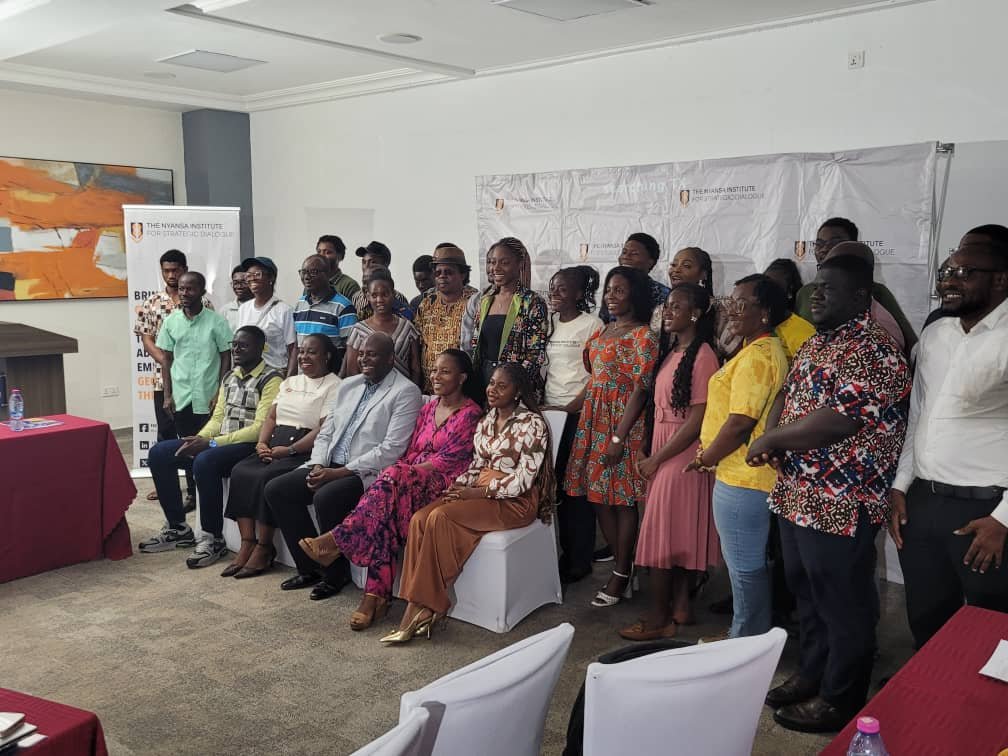
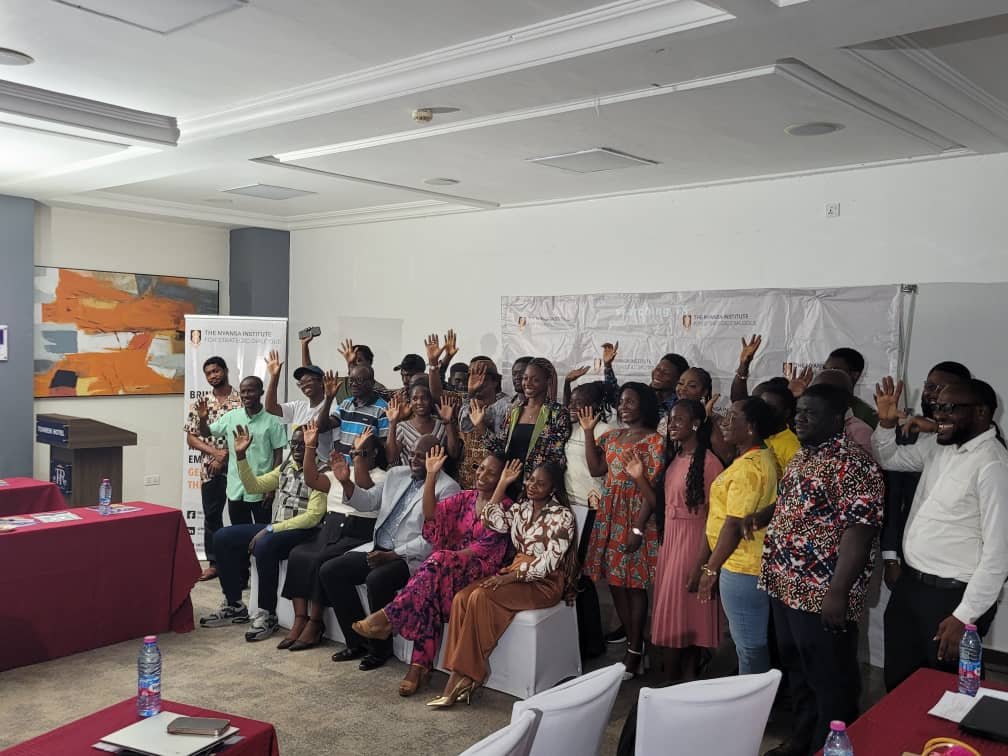
The event featured a prominent panel, including Dr. John Osae Kwapong, Project Director at The Democracy Project; Theodora Williams Anti, Executive Director of the Foundation for Security and Development in Africa; and Ransford Brobbey, Research Associate at the IMANI Center for Policy and Education.