

By Leo Nelson
A broken lift at a cinema. A disabled parking space given to the highest bidder. A sink out of order for months in a five-star hotel’s accessible toilet.
These are not mere inconveniences. They are the architecture of exclusion.
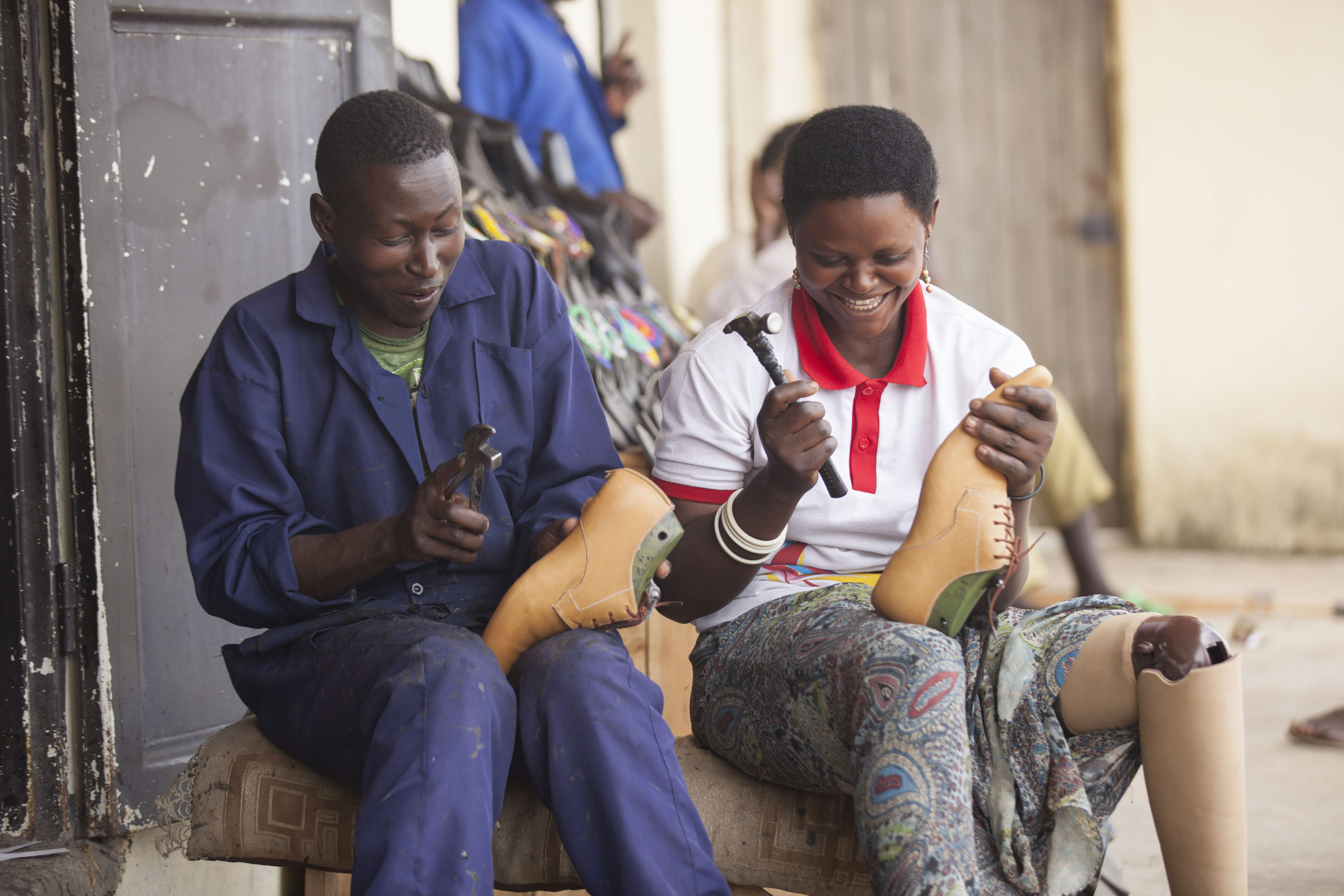
For Ghana’s estimated 8% of the population living with disabilities, everyday infrastructure failures amount to a systemic barrier to economic life. And for those trying to run a business, the message is clear: the system is not designed for you.
Ghana’s Persons with Disability Act (2006) mandates accessible public spaces. Nearly two decades on, compliance remains a joke. The Ghana Federation of Disability Organisations has repeatedly warned that weak enforcement traps people in dependency, not enterprise.
The cost is measurable. The World Bank estimates that excluding persons with disabilities from full participation can cost a country up to 7% of GDP. In Ghana, where SMEs are the engine of growth, shutting out an entire segment is not just unjust – it is stupid economics.

For entrepreneurs with disabilities, the barriers start before the business plan.
Mobility: Public transport is largely inaccessible. Moving goods or meeting clients becomes a gamble.
Finance: Banks already wary of young borrowers are even more cautious here. The Bank of Ghana’s financial inclusion drive lacks disability-specific data, so the scale of exclusion remains invisible.
Social bias: Stigma and misunderstanding affect customer trust and partnership opportunities. This is not a lack of ambition. It is a system that has not learned to see beyond the wheelchair.
Universal design building for everyone from the start is standard thinking in global development discourse. In Ghana, it remains an afterthought. Urban planners point to the gap between policy and practice as one of the country’s most persistent governance failures.
The irony is that inclusion pays. Full participation expands the tax base, drives innovation, and builds resilience. Exclusion imposes invisible costs that compound over time.
Recent advocacy on social media led by figures like software engineer Nana Efua Bedwei has pricked public consciousness. But awareness is not enforcement.
Policymakers face a choice: enforce existing laws, invest in accessible infrastructure, and push targeted financial inclusion or continue to waste a significant portion of the country’s entrepreneurial potential.
The cinema lift is broken. But so, it seems, is the will to fix it.
Until that changes, Ghana’s promise of inclusive growth will remain a headline, not a reality.