By Kwesi B. Randolph Johnson
INTRODUCTION
Ghana’s fisheries sector remains one of the country’s most important sources of employment, food security, income generation and socio-economic survival. Across the four coastal regions and several inland fishing areas, fishing, fish processing, fish trading, canoe ownership, transportation and related fisheries activities sustain thousands of households directly and indirectly.
According to data from the Ministry of Fisheries and Aquaculture, 60% of animal protein consumed by Ghanaians is fish. Other supporting documents say Ghanaians consume 24kg fish per capita annually making the country one of the highest fish comsumers globally.
Despite its significance, the sector faces severe ecological and socio-economic challenges. Declining fish stocks, illegal and destructive fishing practices, climate change impacts, industrial trawler incursions into artisanal fishing zones, increasing fishing effort, and growing poverty within fishing communities continue to threaten the sustainability of fisheries resources and the livelihoods that depend upon them.
In recent times, one of the most debated fisheries management interventions introduced in Ghana over the past decade has been the annual Fisheries Closed Season policy. The policy was adopted as part of broader national and regional efforts to rebuild depleted fish stocks, particularly small pelagic species such as sardinella, anchovies and mackerel, which constitute the backbone of food security and livelihoods for many coastal communities.
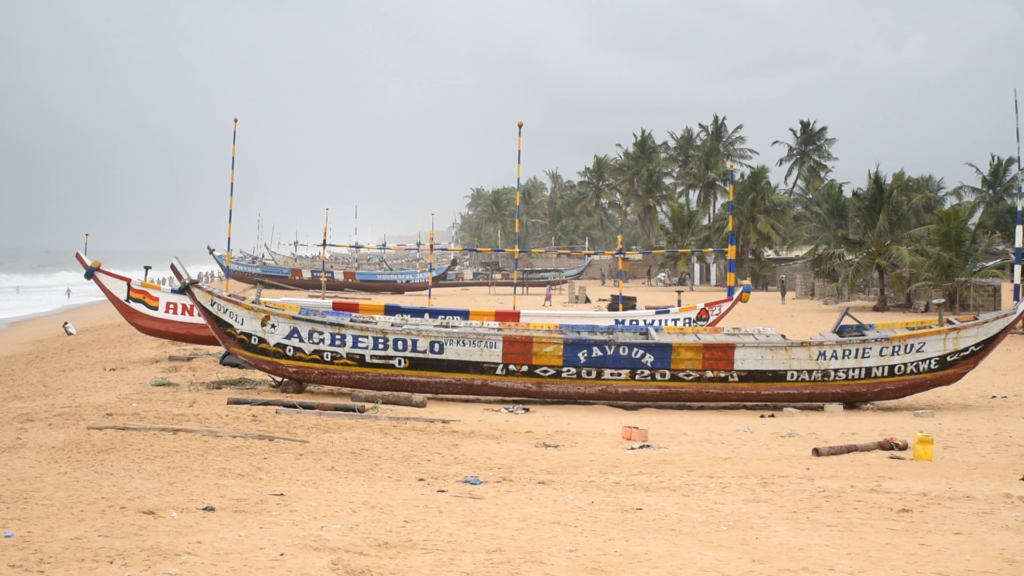
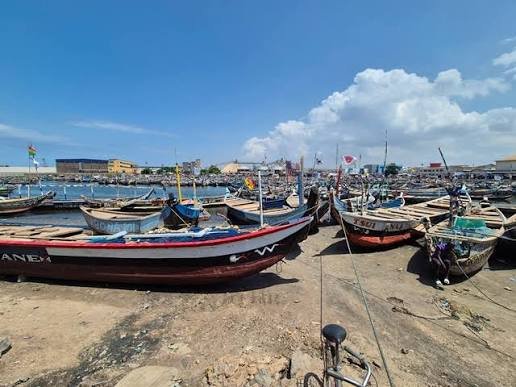
The policy temporarily suspends marine fishing activities during specified periods of the year to allow fish stocks to reproduce and recover. Fisheries scientists, policymakers and regional fisheries institutions generally regard the intervention as a necessary conservation measure. However, many artisanal fishers contend that the timing and implementation of the closure have not sufficiently incorporated indigenous ecological knowledge and the lived realities of fishing communities. Interestingly, sections of artisanal fishers are also calling for reinstatement of the July closure.
These differing perspectives raise important questions about how fisheries sustainability should be pursued in Ghana. They also highlight the need to examine the relationship between scientific fisheries management, indigenous knowledge systems, livelihood security and long-term ecological sustainability.
This essay draws upon perspectives generated through the Sankofa Project – Creating Synergies between Indigenous Practices and Scientific Knowledge (ISIPSK), a collaborative initiative of the University of St. Andrews and regional, national and local partners – i.e., the Fisheries Commision (FC), Fisheries Committee for Wrst and Central Gulf of Guinea (FCWC), and Canoe and Fishing Gear Owners’ Association of Ghana (CaFGOAG).
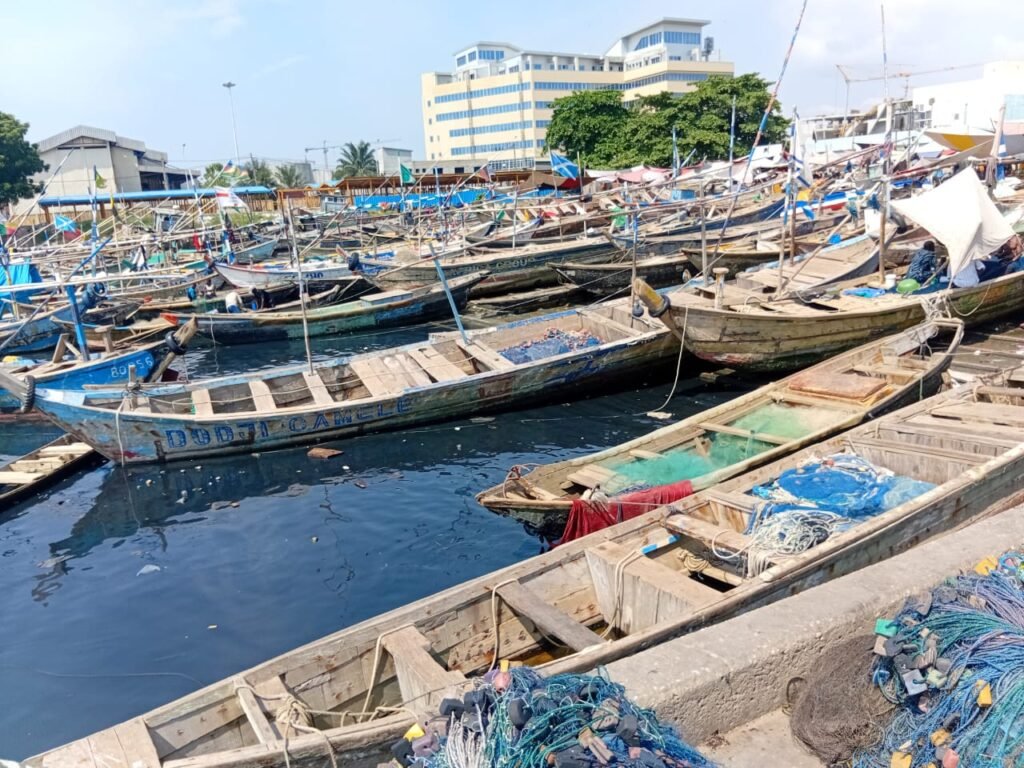
Supported through the Pew Fellows Program in Marine Conservation, the project is led by. It is led by Dr. Ifesinachi Okafor-Yarwood of the University of St. Andrews. The project sought to explore more inclusive and equitable approaches to fisheries governance by integrating indigenous fisheries knowledge with contemporary scientific management systems.
Apart from the FC, FCWC and CaFGOAG, the Sankofa Project also brought together other key stakeholders as traditional authorities, fishers, fish processors, researchers and coastal communities. Its central philosophy is rooted in the Ghanaian concept of “Sankofa” – to go back and retrieve what is valuable from the past in order to build a better future.
Within the context of fisheries governance, Sankofa represents an effort to revisit traditional conservation practices and ecological knowledge systems that historically contributed to sustainable resource management while identifying opportunities for their integration into modern fisheries policy.
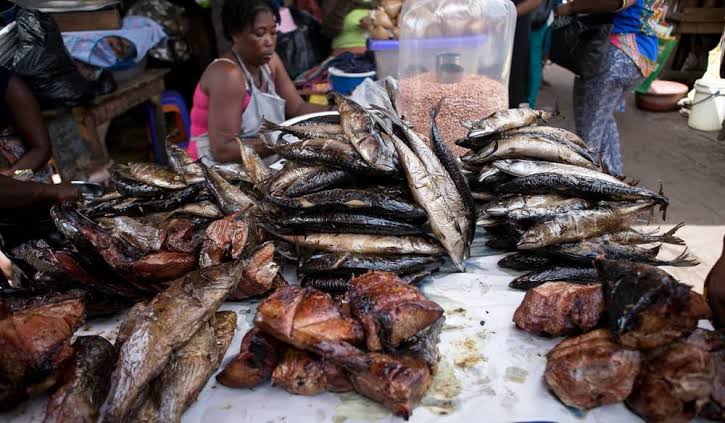
The discussion presented in this essay was through an interogation of the social complexities surrounding Ghana’s Fisheries Closed Season policy and explores how science, indigenous knowledge, livelihoods, governance, climate change and regional cooperation can be brought together to support sustainable fisheries management and coastal livelihood resilience.
Commendably, artisanal fishers did not request for an outright cancellation of the policy but rather, an adjustment to accomodate their concerns about timing. They also called for enforcement whilst some stakeholders also advocated for voluntary compliance.
As climate change, illegal fishing, declining fish stocks and socio-economic vulnerabilities continue to intensify across Ghana and the wider Gulf of Guinea, the future of fisheries sustainability will depend increasingly on collaboration rather than confrontation.
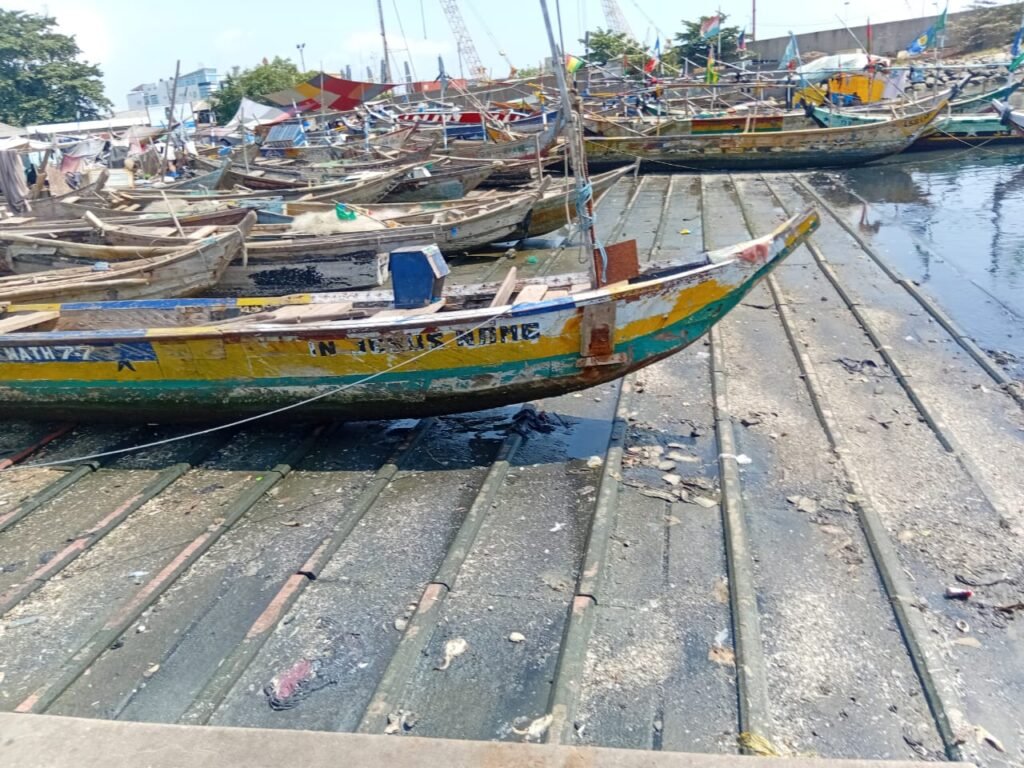
Building meaningful partnerships among researchers, policymakers, traditional authorities, fisherfolk and coastal communities offers the greatest opportunity for developing fisheries policies that are scientifically credible, socially acceptable and culturally grounded.
Ultimately, the challenge is not whether Ghana should choose science over tradition or tradition over science. Rather, it is whether the country can successfully harness the strengths of both approaches to create a more resilient, equitable and sustainable future for its fisheries and the millions of people whose lives remain closely tied to the sea.
CONCLUSION
The debate surrounding the policy extends beyond the simple question of whether fishing activities should be temporarily halted. Rather, it reflects broader questions about how fisheries governance can effectively balance ecological sustainability, livelihood security, indigenous knowledge systems and scientific management.
While fisheries scientists and policymakers emphasize the urgent need to rebuild depleted fish stocks through measures such as seasonal closures, many artisanal fishers argue that traditional ecological knowledge accumulated over generations offers valuable insights that should be incorporated into fisheries decision-making. Their perspectives suggest that conservation measures are likely to be more effective when they are informed by both scientific evidence and local experience.
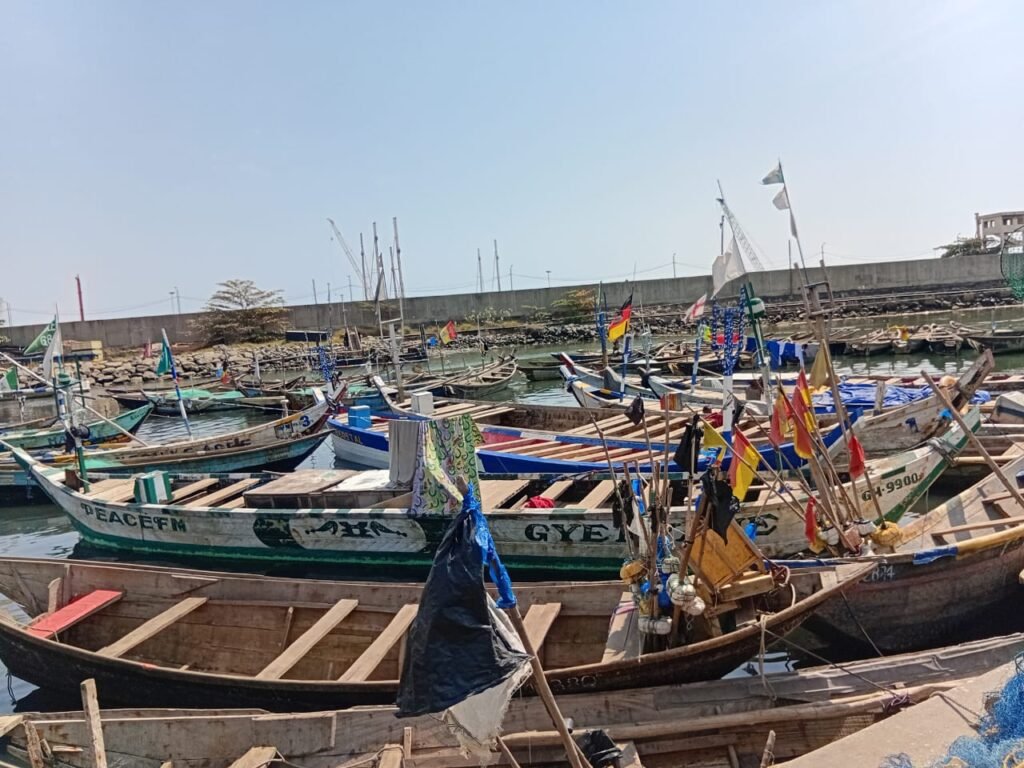
Importantly, the concerns raised by fishing communities do not constitute opposition to conservation. Instead, they represent calls for greater participation, more inclusive governance, stronger enforcement against illegal fishing, improved regional cooperation, and a reconsideration of how and when management interventions are implemented.
The findings of the Sankofa Project reinforce the notion that many traditional fisheries practices including fishing holidays, customary restrictions, seasonal observations and community-based stewardship systems that served important conservation functions long before the emergence of modern fisheries management frameworks. These practices should not be viewed as relics of the past but as potential complementary tools for contemporary fisheries governance.