

By Leo Nelson
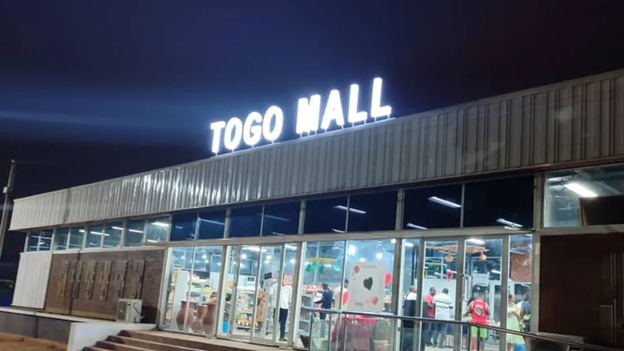
Two years after its launch, Togo’s “Togo Mall” has moved from state experiment to permanent economic fixture. Inaugurated in November 2023 by Prime Minister Victoire Tomégah‑Dogbé at the CETEF exhibition centre in Lomé, the facility is the country’s first year‑round commercial hub dedicated exclusively to “Made‑in‑Togo” products.
Its mandate is straightforward: aggregate local manufacturers and give them continuous market access.
For Ghana, where the “Made in Ghana” campaign remains scattered across underfunded private shops and occasional pop‑up markets, the Togolese model offers a pointed lesson in state‑backed retail institutionalisation.
Togo’s mall was launched immediately after the country’s fourth annual Month of Local Consumption, effectively converting a short‑term public relations drive into permanent infrastructure.
The facility now hosts artisans, agri‑processors, textile designers and appliance makers under one roof selling everything from traditional fabrics and handicrafts to packaged coffees and domestic appliances.
Because it operates year‑round, the mall eliminates the market access gap that typically follows trade fairs. Small producers no longer disappear from consumer view once the campaign ends.
Ghana’s approach has taken the opposite path. Initiatives like “Wear Ghana” and “Eat Ghana” enjoy periodic rhetorical support from officials, but the retail framework is deeply fragmented.
Local manufacturers are scattered across uncoordinated gift shops, boutique shelves in upscale Accra neighbourhoods or temporary stands. Without a centralised, state‑anchored destination, consumers must actively hunt for local alternatives while producers face prohibitive rental costs in standard shopping centres.
Togo’s model shows that local consumption cannot be achieved through patriotic appeals alone. Aggregating processors creates economies of scale, lowers distribution costs and standardises packaging quality making domestic goods genuinely competitive with imports. Spending by citizens then feeds directly into factory output and rural agricultural incomes.
Yet replicating this in Ghana is not straightforward. Togo is smaller, more centralised and its political system faces fewer electoral pressures to favour imported consumer goods over local alternatives.
Ghana’s Ministry of Trade, Agribusiness and Industry would need to secure state‑owned land, negotiate public‑private partnerships, and most challengingly enforce a permanent shift in consumer habits shaped by decades of imported goods.
A “Ghana Mall” model is conceivable. But without the political will to move beyond short‑term exhibitions and fragmented retail, local production will likely continue to struggle against the tide of organised, well‑financed imports. Togo has built a house; Ghana is still debating the architect.