

By Philip Antoh
The Young Cocoa Farmers Association in Ghana says the air in the rural cocoa farming communities was usually thick with the scent of drying beans and the hum of anticipation as a new season approached.
But to them, as the shadow of the 2026/2027 purchasing season loomed, the air was thick with something else entirely: anxiety.
In a petition dated Monday, August 17, 2026, the Association said the challenges experienced during the 2025/2026 season had left many cocoa farmers financially distressed and uncertain about the future of the sector.
“It was supposed to be a period of reaping the rewards of their gruelling labour, but it had turned into a nightmare of financial distress.”
According to the Executive Secretary of the group, Madam Adwoa Mensah, instead of celebrating bumper harvests, many young farmers had watched their production targets fall short.
The group said, the cascading effect was devastating. There was no money for school fees, healthcare became a luxury, and essential farm maintenance was put on hold as families were struggling simply to put food on the table.
Madam Mensah said the breaking point had come during the minor season under the shade of the village’s largest tree; the farmers would gather to share their frustrations.
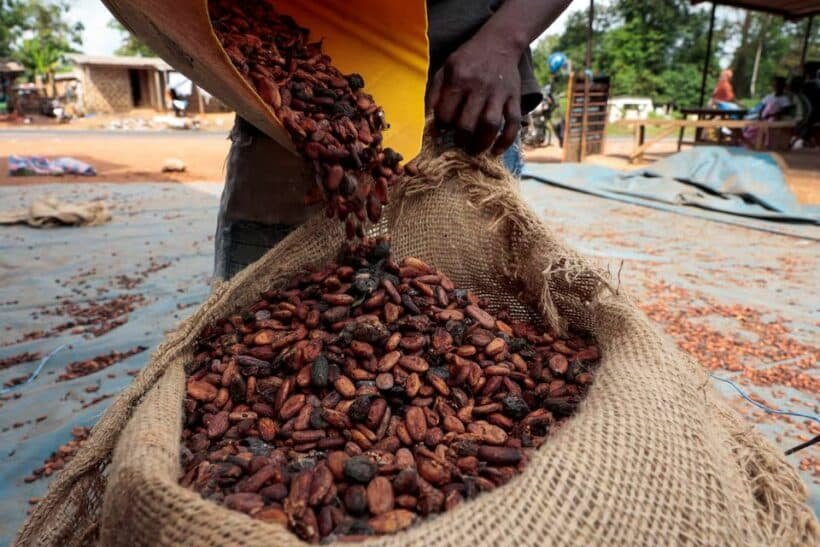
They spoke of carrying heavy sacks of cocoa beans to the local purchasing clerks, only to be turned away. The Licensed Buying Companies (LBCs) simply didn’t have the money.
This wasn’t just an inconvenience; it was a structural collapse. For generations, the minor season had served as a financial bridge. Buyers would provide advances and credit facilities, allowing farmers to sustain their operations until the main harvest.
But during the last season, he said the buyers themselves were broken. Without those advances, the young farmers were left financially stranded, their farms suffering, and the very sustainability of Ghana’s cocoa sector hanging by a thread.
As the days ticked by toward the 2026/2027 season, the uncertainty became paralysing. How could a young farmer hire labour without knowing if they would be paid? How could they buy fertilizers or set production targets when the rules of the game were hidden in the fog of government policy? They felt abandoned by the industry they were trying to sustain.
Realizing that silence would only guarantee another season of ruin, the leaders of the Young Cocoa Farmers Association decided they had to speak directly to the highest office in the land. Sitting around a makeshift table, drafting their plea, they transformed their individual struggles into a unified voice.
They wrote to the President, not just to complain, but to demand clarity. They needed to know: Would there actually be adequate funds to buy their beans this time, or would the LBCs show up empty-handed again? What concrete measures were being put in place to ensure the financial paralysis of the previous season wouldn’t repeat itself?
Their pens moved steadily down the page, detailing the fears that kept them awake at night. They asked for assurance on the producer price—would it remain stable, or were they about to take another devastating pay cut? They needed a hard date for when the season would officially begin so they could plan their lives.
They also demanded the government honour its word. There had been talk of a policy ensuring farmers receive 70% of the cocoa value, but talk wasn’t putting food on the table; they needed clarity on if and how this would be implemented.
Finally, there was the looming spectre of the 2026 Cocoa Bill—a piece of legislation being drafted over their heads. They demanded to be engaged; to have the bill explained to them in plain language so they could understand its true implications for their livelihoods.
As they signed the petition, a sense of resolve settled over the room. They were not just asking for a bailout; they were demanding respect. They were the backbone of Ghana’s cocoa industry, the engine driving the nation’s export earnings. They deserved prices that reflected the true cost of their sweat and soil, and they deserved the dignity of timely information.
With the letter dispatched to the President, the young farmers returned to their fields. The weeds still needed clearing and the pods still needed tending, but now, they waited.
Madam Mensah said they are waited for the government to step out of the shadows, provide clear direction, and restore the confidence of a generation of farmers whose only desire was to grow Ghana’s most treasured crop.