By Leo Nelson
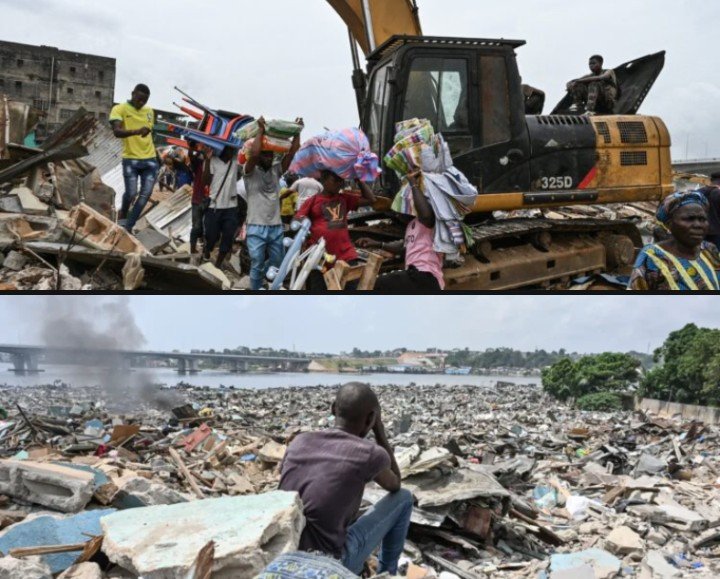
Ghana’s government has commenced the repatriation of 327 Ghanaian nationals stranded in Côte d’Ivoire following a mass demolition exercise undertaken by authorities in the Port Bouët Municipality in Abidjan.
In a press release on June 12, 2026, the Ministry of Foreign Affairs announced that significant progress had already been made in bringing the affected citizens home safely.
According to the Ministry, 228 of the stranded Ghanaians arrived in the country on Thursday, June 11, while arrangements had been finalized for the remaining returnees to travel back to Ghana the following day.
The affected individuals had been residing in communities impacted by the demolition exercise and were left vulnerable after losing both their homes and sources of livelihood. Many reportedly lacked the financial means to secure alternative accommodation or transportation back to Ghana.
The intervention underscores Ghana’s commitment to protecting the welfare of its citizens abroad, particularly in emergency situations that place their safety and wellbeing at risk.
Victims Left Without Shelter and Livelihoods
The Ministry explained that all 327 Ghanaian nationals had been living in areas directly affected by the demolition operation carried out by Ivorian authorities.
As a result of the exercise, the affected individuals became stranded after losing access to their homes and businesses. The sudden displacement reportedly created severe humanitarian challenges, leaving many without shelter, employment, or adequate support systems in the host country.
“All three hundred and twenty-seven Ghanaian nationals were previously residing in areas affected by the demolition exercise and became stranded having lost their sources of livelihood and lacking the means to secure alternative accommodation in Côte d’Ivoire.”
The situation prompted urgent diplomatic engagement between Ghanaian authorities and their counterparts in Côte d’Ivoire to facilitate the safe evacuation of the affected citizens.
The plight of the stranded migrants has also highlighted the vulnerability of migrant communities that often depend on informal economic activities and limited social protection systems in their countries of residence.
Transportation Support for Returnees
As part of the repatriation effort, the Government of Ghana has provided transportation assistance to ensure that the returnees travel home safely and with dignity.
The Ministry disclosed that buses and trucks had been deployed to transport both the affected nationals and their belongings free of charge from Côte d’Ivoire to Ghana.
“The Government of Ghana has provided buses and trucks to convey our nationals and their belongings free of charge back to Ghana safely,” the statement indicated. The transportation support is expected to ease the burden on families already grappling with the emotional and financial consequences of displacement.
Government officials have emphasized that the objective is not only to facilitate the return of the affected citizens but also to ensure that the process is conducted in an orderly and humane manner.
Compensation Discussions Underway
Beyond the immediate repatriation exercise, Ghanaian authorities are also pursuing discussions regarding compensation for the affected nationals. According to the Ministry of Foreign Affairs, Ivorian authorities have expressed a willingness to compensate victims impacted by the demolition exercise.
The Ministry stated that Ghana’s diplomatic mission in Abidjan would continue to engage relevant stakeholders to ensure that the promised compensation materializes.
The development offers a measure of hope for returnees who have suffered substantial losses as a result of the demolitions. However, the timeline and modalities for any compensation package have yet to be publicly disclosed.
Commitment to Citizen Welfare
The Ministry reaffirmed the government’s dedication to safeguarding the interests of Ghanaians both at home and abroad. It stressed that efforts would continue beyond the repatriation exercise to support the successful reintegration of the returnees into their communities.
“The Government of Ghana remains committed to the welfare and protection of Ghanaians and will intensify efforts to provide the necessary support to ensure the successful return and reintegration of the affected individuals.”
The Ministry also expressed appreciation to the authorities of Côte d’Ivoire and all institutions that contributed to the successful coordination of the evacuation process.
As the final group of returnees makes its way home, the repatriation exercise stands as a reminder of the critical role diplomatic missions play in responding to crises involving citizens abroad.
The Ministry assured the public that additional updates would be communicated as necessary, while efforts continue to support those affected by the unfortunate events in Port Bouët.
For the hundreds of Ghanaians returning home after losing their homes and livelihoods, the government’s intervention represents an important first step toward rebuilding their lives.