

By Gifty Boateng
President John Dramani Mahama’s push for accountability in public spending is facing its first real test of patience.
A promised forensic audit into the financial management of the 2023 African Games a project fraught with controversy under the previous administration is significantly overdue, raising eyebrows about potential political sensitivities and bureaucratic foot-dragging.
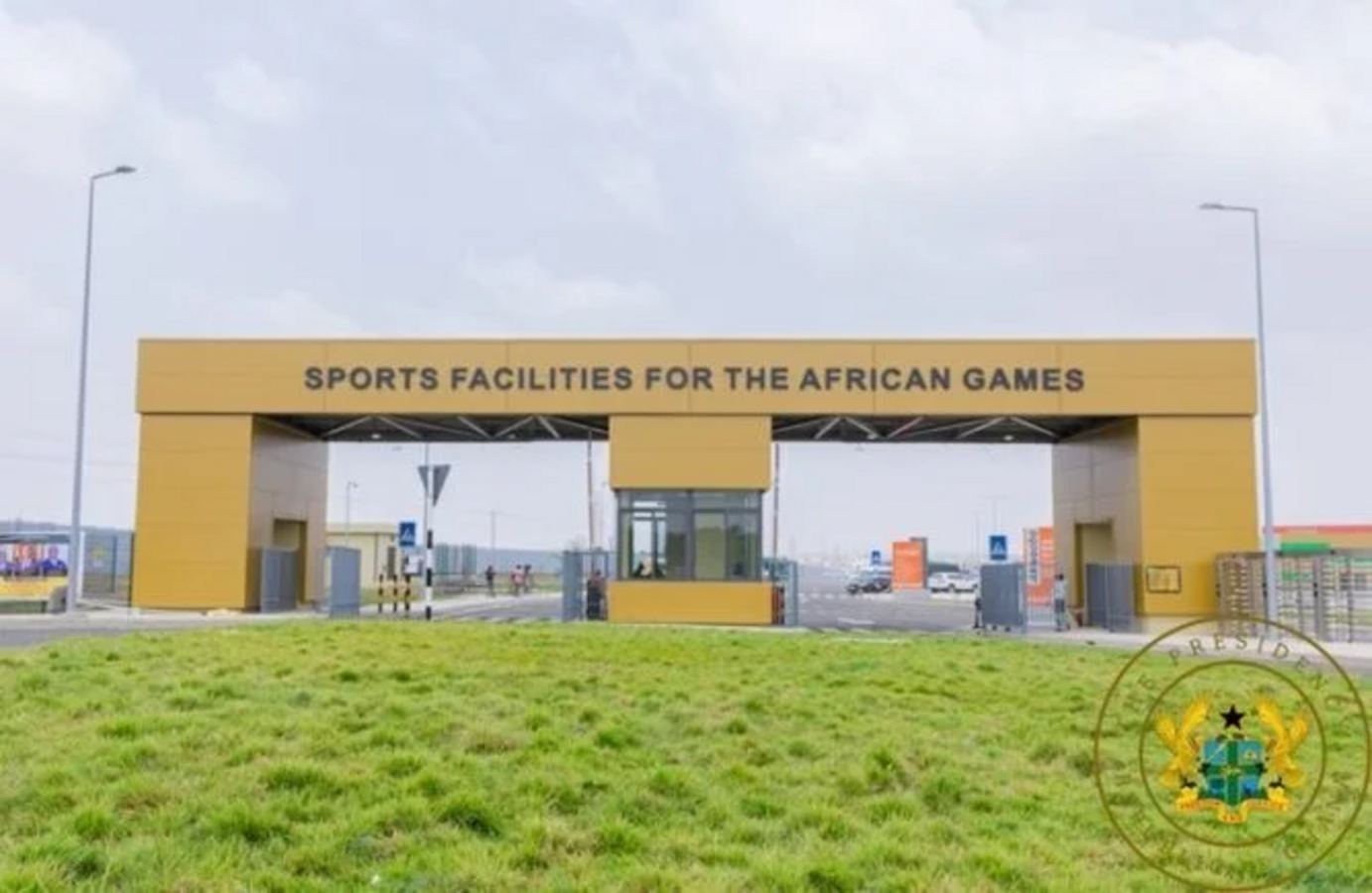
In November 2025, Mahama ordered the Auditor-General, Johnson Akuamoah Asiedu, to conduct a comprehensive forensic probe into the over $195 million spent on infrastructure and an additional $46 million in operational costs for the event.
The deadline was the second week of December. Yet, as February draws to a close, the President’s desk remains conspicuously empty of the report.
The directive was ostensibly a routine exercise in transparency, following a separate probe by the National Intelligence Bureau (NBI). However, the delay is becoming politically awkward.
The forensic audit was meant to scrutinise procurement under the Public Procurement Act, financial management, and the value-for-money of facilities built by the previous New Patriotic Party (NPP) government.
For the ruling National Democratic Congress (NDC), which lambasted the spending as “outrageous” while in opposition and called for the dismissal of then-Sports Minister Mustapha Ussif, the wait is a test of its own commitment to rooting out waste.
Franklin Cudjoe, president of policy think-tank IMANI-Africa, has been tracking the delay. He now indicates that the Auditor-General’s office has signalled the reports will be ready from Friday, February 27. “Auditor General says the reports will be ready from next Friday,” Cudjoe stated, suggesting a quiet breakthrough after months of silence.
But the think-tank leader is already looking ahead, warning against the judicial lethargy that has plagued previous high-profile cases. He is demanding that any prosecutions arising from the audit move swiftly, insisting it should not take more than four months from the filing of charges to a court hearing.
The audit’s scope is exhaustive, designed to leave no room for ambiguity. It will dissect contractor selection, funding disbursements, cost overruns on facilities, and the ultimate fate of assets procured.
For a government that campaigned on fiscal responsibility, the content of this report when it finally arrives will be more than just an accounting exercise; it will be a political document. It will either vindicate the NDC’s past condemnations or force a recalibration of its narrative, depending on what the forensic lens uncovers about who approved what, and at what cost to the state.