

as Ghana Auditions for Kimberley Process Chair
By Emmanuel Nii Sackey
Ghana is making a conspicuous display of its administrative rectitude as it positions itself to take the helm of the Kimberley Process (KP) in 2027.
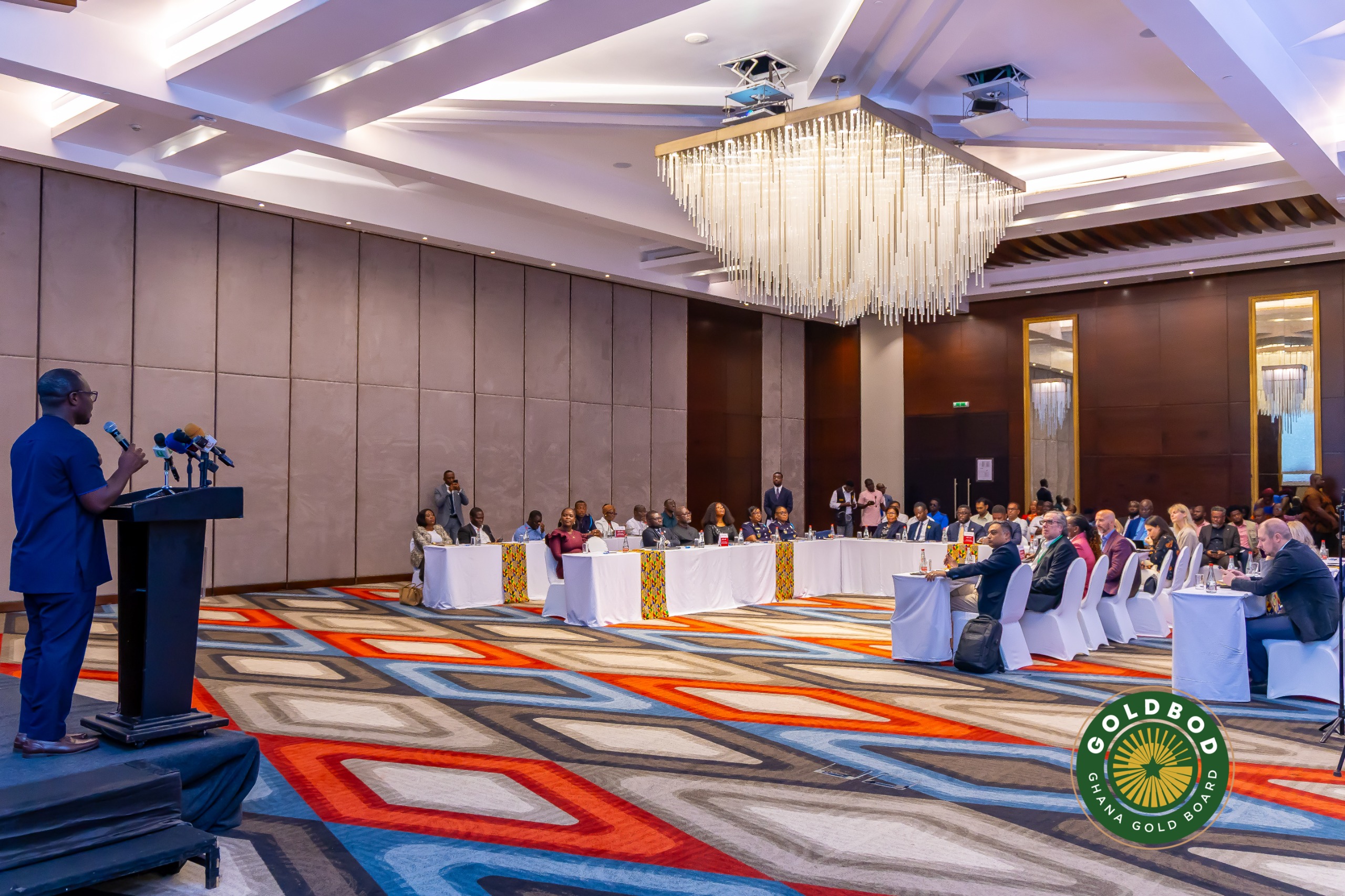
Hosting a KP review visit in Accra last week, officials from the Precious Minerals Marketing Company (GOLDBOD) and allied regulators rolled out the red carpet to demonstrate that Accra has tightened the screws on its diamond exports, ensuring they meet the strictest international standards.
Speaking at the Movenpick Hotel, GOLDBOD’s chief executive, Samuel Gyamfi, walked the visiting delegation through what he termed Ghana’s “robust inter-agency coordination.” The message was clear: Ghana is no mere participant but a model pupil in a scheme long criticised for its loopholes.
The country is keen to showcase its “conflict-free” credentials, leveraging collaboration between the Ministry of Lands, the Minerals Commission, and the Customs Division of the Ghana Revenue Authority to seal any cracks in the export control system.
The review, which Gyamfi framed as an exercise in “peer learning” rather than a box-ticking assessment, comes at a critical juncture. Accra has spent recent years quietly overhauling its internal controls. Officials point to enhanced data management, tighter verification protocols, and sustained capacity building for personnel in key production areas like Akwatia.
This is as much about optics as it is about governance. The KP scheme, established to scrub “blood diamonds” from the global trade, has faced mounting scepticism from civil society over its narrow mandate and enforcement weaknesses. By inviting scrutiny and volunteering as a case study, Ghana is angling for influence.
Ghana’s current tenure as KP Vice-Chair is a dress rehearsal for the top job in two years’ time. Gyamfi made no secret of the country’s ambitions, pledging that under its future leadership, the Process would remain “credible, responsive, and forward-looking.” This is a careful piece of diplomatic signalling.
Accra is aware that the KP’s relevance hinges on its ability to evolve beyond its original mandate, potentially addressing broader issues of artisanal mining governance and smuggling that plague West African producers.
For now, the GOLDBOD boss has assured the review team of open access to mines, regulators, and data. The hope is that a clean bill of health from the KP will not only bolster Ghana’s international reputation but also solidify its authority as it prepares to steer the often fractious coalition of governments, industry, and civil society towards 2027.