

By Gifty Boateng
A unilateral decision by VIP Jeoun Transport to raise fares by 25% has triggered a furious reaction from the Ghana Private Road and Transport Union (GPRTU). The union warns that if authorities allow VIP to proceed, every transport operator will charge whatever they wish – and the government will lose all control over public transport pricing.
The new fares took effect on 8 April. Accra to Kumasi now costs GH¢120, Accra to Sunyani GH¢170, and Accra to Tamale GH¢290. VIP says management approved the structure. The GPRTU says the move bypasses the established consultative framework involving the Ministry of Transport.
‘We will take the law into our own hands’
Alhaji Abass Imoro, GPRTU’s Head of Industrial Relations, did not mince words. “If VIP can decide on their own to add 25%, we assure the Transport Ministry that if they do, they shouldn’t blame anybody. Every transport operator will charge how they deem necessary.”
The union has historically exercised restraint, agreeing to lower increments after government pleas about workers’ salaries and living costs. That cooperation, Imoro warns, is now at risk.
The timing is awkward. Fuel prices surged on 1 April petrol up 15% to GH¢13.30 per litre, diesel up nearly 19% to GH¢17.10 following the escalation of the Middle East conflict. President Mahama announced an emergency Cabinet meeting to consider interventions, including possible tax relief on fuel.
At the Kwahu Business Forum, Mahama said: “There are adjustments we can make, particularly in the margins, to help maintain relatively stable prices.” But no decision has been announced. A scheduled GPRTU‑Ministry meeting for 7 April was postponed. Transport Minister Joseph Bukari Nipke asked for time to consult Cabinet, promising a new meeting on 9 April.
The GPRTU has agreed to wait until Thursday. If the government offers credible relief – tax cuts or subsidies the union may hold the line. If not, or if VIP’s hike stands unchallenged, the transport sector could descend into chaotic, operator‑by‑operator pricing.
The New Republic notes that weak regulatory oversight is the root problem. One company should not be able to set de facto national fares. But neither should the government rely on union restraint to keep prices in check. The emergency Cabinet session needs to produce more than talk or commuters will pay the price in more ways than one.
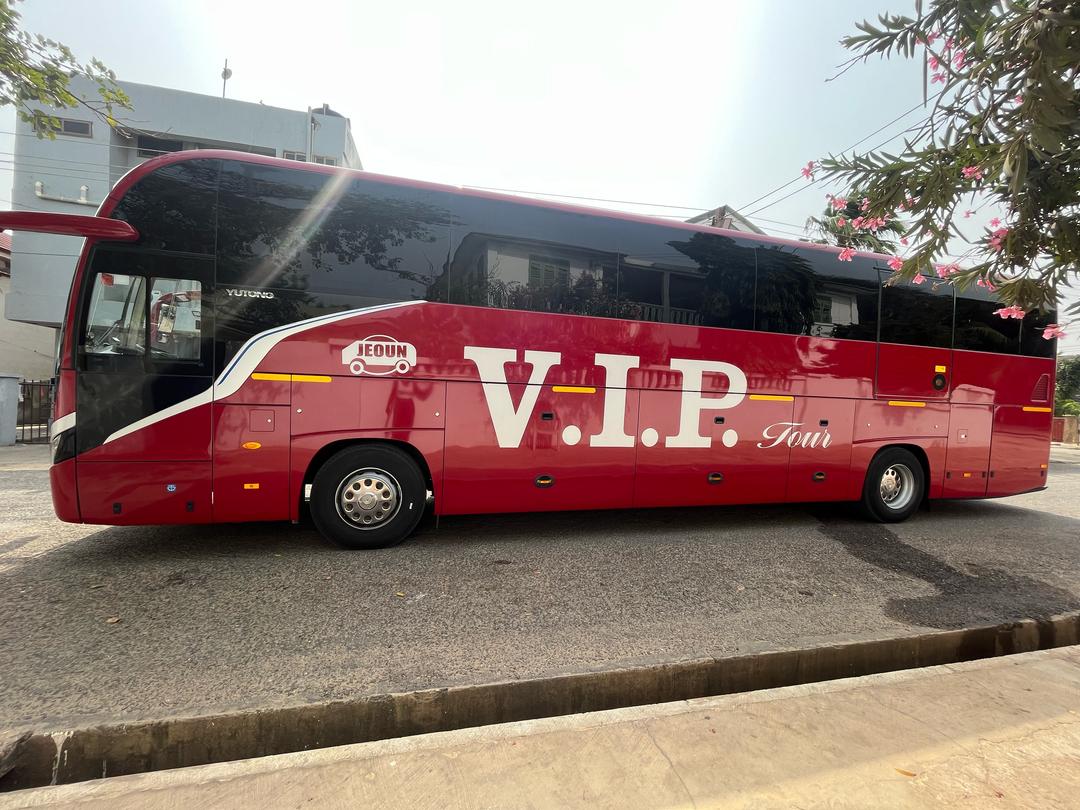
GPRTU vs VIP Fare War Looms
0
Add A Comment