

By Prince Ahenkorah
The global oil price spike has forced Accra into a four-week tax relief plan. But with Middle East tensions unresolved, the relief may be short-lived.
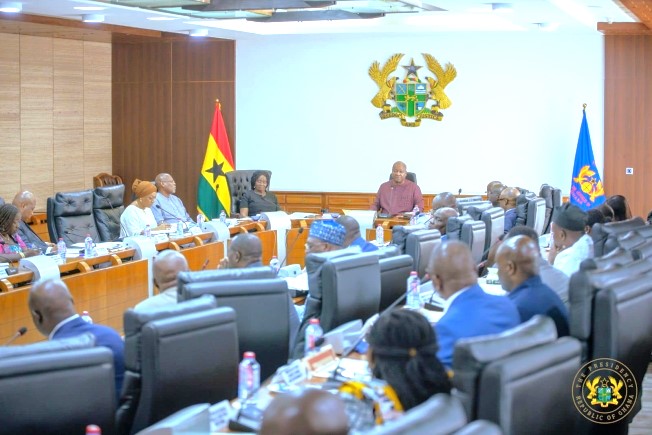
President John Dramani Mahama has ordered the removal of selected fuel taxes and margins effective 16 April, after global crude prices surged past $100 a barrel. The intervention, agreed at an emergency Cabinet meeting at Jubilee House, will run for four weeks before a scheduled review.
The directive to the Finance and Energy ministries is the government’s most decisive response to domestic fuel price increases of about 30% since January. Officials insist the tax cuts are temporary. What they will not yet say is exactly which taxes or margins are being removed. Those details, they explain, await stakeholder engagement with industry players. A full announcement is expected before the next pricing window opens.
Geopolitics drives the spike
The immediate cause of the price surge is a familiar one: the Strait of Hormuz. A reported naval blockade affecting vessels passing through the strategic waterway, combined with failed negotiations in Islamabad, has pushed West Texas Intermediate (WTI) to $103.70 a barrel and Brent crude to $101.70 in early Monday trading.
The market had briefly tasted relief. A conditional two-week ceasefire between the United States and Iran had pulled prices just above $90. But the collapse of those talks – and renewed tensions involving former US president Donald Trump – reversed the gains almost overnight.
For Ghana, a net importer of refined petroleum products, the arithmetic is brutal. Every $10 increase in crude prices adds roughly 7% to the landed cost of fuel, according to industry estimates. Without intervention, pump prices would almost certainly rise again.
Beyond the tax cut: buses and bans
Mahama’s team has bundled the tax relief with two complementary measures. First, the Transport Ministry has been ordered to fast-track the deployment of 100 newly acquired MetroMass buses – part of a larger order of 300 – across major routes. MetroMass fares will be kept below those of private operators, offering a cushion for commuters.
Second, the president has reaffirmed a ban on fuel allowances for ministers and senior government officials. The gesture is partly symbolic the savings are modest relative to the scale of the subsidy but it is politically useful. It signals that the presidency expects belt-tightening to start at the top.
The four-week question
The big unknown is whether four weeks will be enough. If crude prices stay above $100, the tax cuts will merely slow the rise in pump prices, not reverse them. And if the Strait of Hormuz remains contested, or the US-Iran ceasefire fails to be revived, Ghana could face a longer, more expensive crisis.
For now, the government is betting that a short, sharp intervention will buy time. But as officials in the Finance Ministry know better than most, global oil markets do not respect presidential timetables.