

By Leo Nelson

Africa’s shea industry is at a strategic crossroads as policymakers and industry leaders push for a shift from raw exports to value-added production, a transition expected to unlock higher revenues, create jobs, and deepen industrialisation across producing countries.
This was the central message at the opening of the Shea 2026 conference hosted by the Global Shea Alliance in Accra, where stakeholders from across the value chain gathered to chart a more profitable and sustainable future for the sector.
Vice President Jane Naana Opoku-Agyemang said African economies continue to lose significant value by exporting raw shea nuts instead of processed derivatives used in global food, confectionery and cosmetics industries.
“Global demand for shea continues to expand,” she noted, stressing that countries must reposition to capture greater value through processing and manufacturing.
From raw exports to industrial value chains
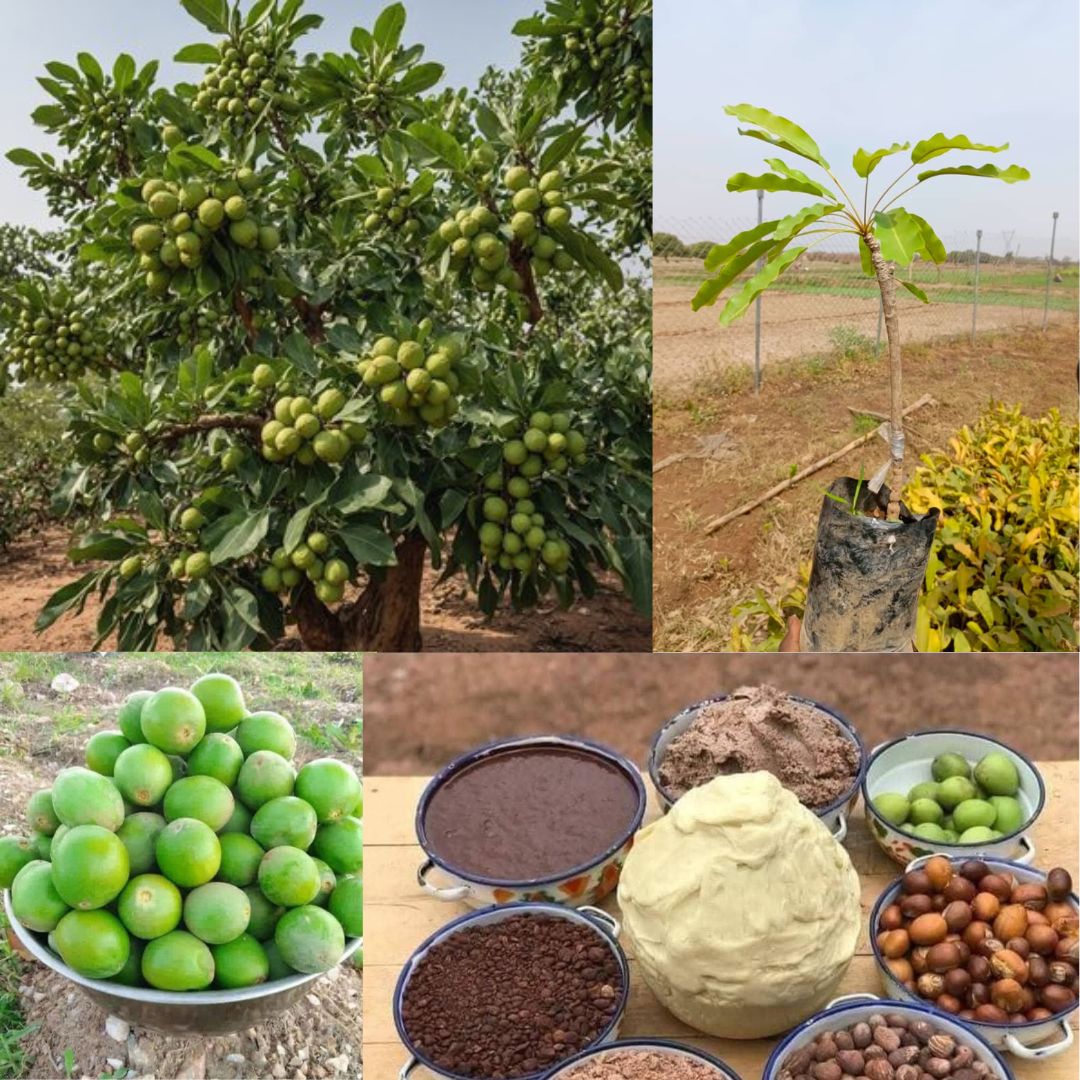
The shea industry remains a critical but under-optimised segment of West Africa’s agricultural economy. Ghana alone has hundreds of thousands of women particularly in northern regions engaged in shea collection and processing, making it both an economic and social asset.
Yet much of the continent’s output is exported in raw form, limiting earnings and exposing producers to volatile commodity pricing.
The conference highlighted value addition as the key lever for transformation through investments in processing plants, improved supply chains, and stronger linkages with global manufacturers.
Ghana’s broader economic strategy, including its 24-hour economy policy, was cited as an enabler for continuous production and industrial activity in sectors like shea, where processing capacity remains underdeveloped.
Nigeria’s policy shift offers early results
A compelling case study came from John Owan Enoh, who outlined Nigeria’s experience following a government-imposed moratorium on raw shea nut exports.
According to him, the policy has driven increased domestic processing, improved farm-gate prices for producers, and attracted new investments into export-oriented shea products.
The move has also sparked growing interest from international buyers seeking partnerships in local processing signalling a shift in how global supply chains engage with African producers.
Building a sustainable and inclusive industry
Beyond economics, stakeholders emphasised sustainability and inclusivity as central to the industry’s long-term viability.
Marion Etyang Busingye highlighted that shea is embedded in a broader ecosystem of communities and livelihoods.
“It is part of a living ecosystem of communities, landscapes, and opportunities,” she said, underscoring the need for collaborative approaches that protect environmental resources while expanding economic benefits.
The Global Shea Alliance, established in 2011, continues to drive initiatives aimed at improving quality standards, strengthening market access, and enhancing the incomes of rural women who dominate the sector.
A multi-billion-dollar opportunity
With global demand for natural and plant-based ingredients rising, analysts say the shea industry presents a multi-billion-dollar opportunity for Africa if value chains are restructured to retain more income locally.
For Ghana and its peers, the path forward is clear: invest in processing, build industrial capacity, and implement policies that discourage raw exports while incentivising local production.