

Reveals Why intra-continental trade still runs via London and New York
By Leo Nelson
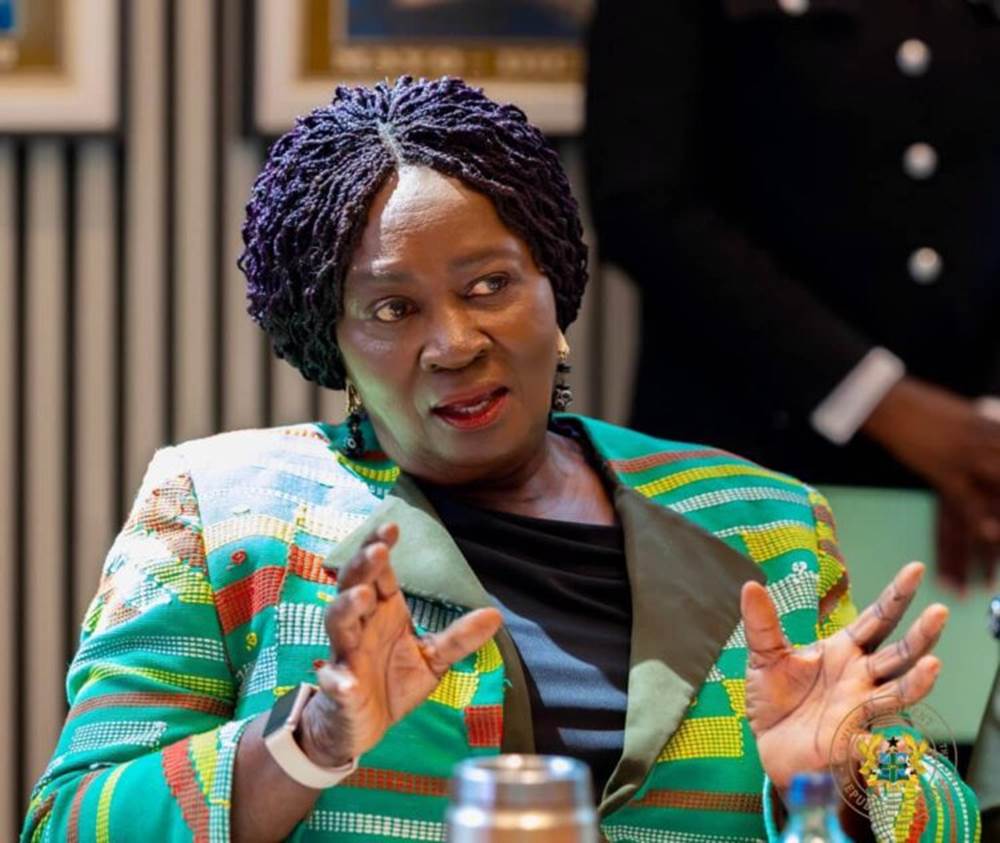
Vice President Jane Naana Opoku-Agyemang has warned that Africa’s dream of a single market is being strangled by an expensive dependency on foreign payment systems. Speaking at the second 3i Africa Summit on 6 May, she argued that routing intra-African transactions through external financial networks in third currencies ‘adds costs and delays, and undermines the very idea of a single African market’.
The core problem is simple but stubborn: a Ghanaian exporter and a Guinean buyer still struggle to settle directly in cedis or francs. Instead, most cross-border payments loop through banks and clearing houses in London, New York or Paris, incurring conversion fees, correspondent banking charges and settlement lags of days or weeks.
Modest progress, vast distance. Opoku-Agyemang acknowledged the Pan-African Payment and Settlement System (PAPSS), which allows direct settlements between African economies without external intermediaries.
Launched by Afreximbank and the African Union, PAPSS is operational in several West and East African central banks but remains unevenly adopted. She also cited the AU’s Digital Trade Protocol (adopted 2024) as a potentially ‘pivotal’ tool for mobile money interoperability and cross-border electronic procedures.
Yet the gap between pilot schemes and continent-wide reality remains immense. ‘The objective is for a Ghanaian enterprise to invoice a Guinean client and receive payment in cedis directly, efficiently and at reasonable cost,’ she said. That objective is still distant.
Identity as gatekeeper. The Vice President emphasised that digital identity or the lack of it is a hidden bottleneck. ‘No digital economy can function without trust, and trust begins with identity,’ she argued. Millions of Africans lack verifiable digital ID, excluding them from formal finance and cross-border trade. Without interoperable identity systems, even the best payment rails will carry only a fraction of potential users.
Regulatory patchwork. On harmonisation, Opoku-Agyemang struck a pragmatic note: identical laws are not needed, but compatible frameworks are. She called for regulatory sandboxes, shared standards and ‘enhanced coordination’ among member states.
The bottom line. Africa talks loudly about the African Continental Free Trade Area (AfCFTA), but payment friction remains a quiet killer of commerce. Until settlements become cheap, fast and local, the continent’s trade ambitions will stay hostage to offshore systems. The political will to change that so far lags behind the rhetoric.